Blog

Day: August 23, 2025

How Paper Mills Are Innovating to Meet the Demands of Modern Catering and Restaurant Supply
Uncategorized
ahmer

How Paper Mills Are Innovating to Meet the Demands of Modern Catering and Restaurant Supply

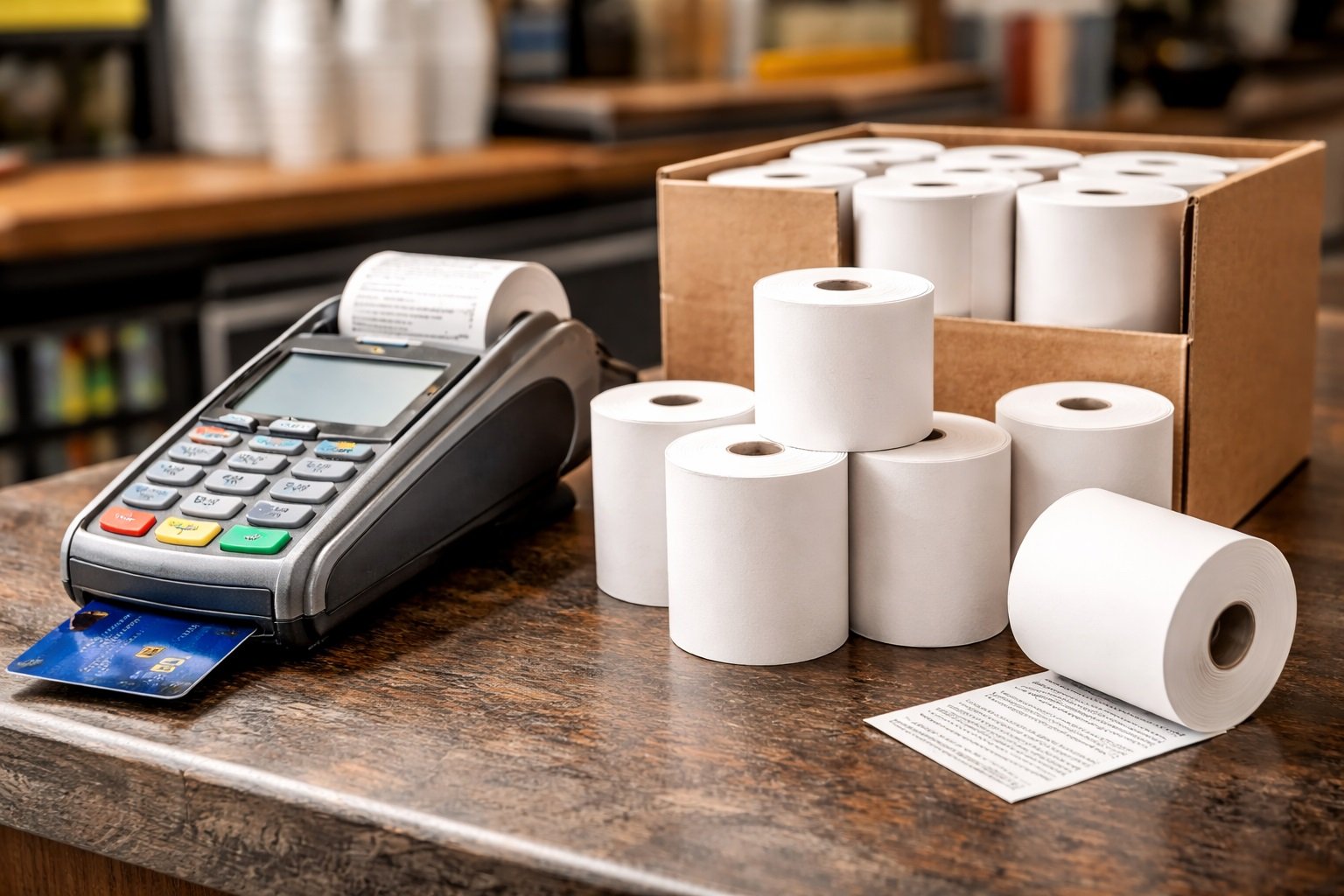
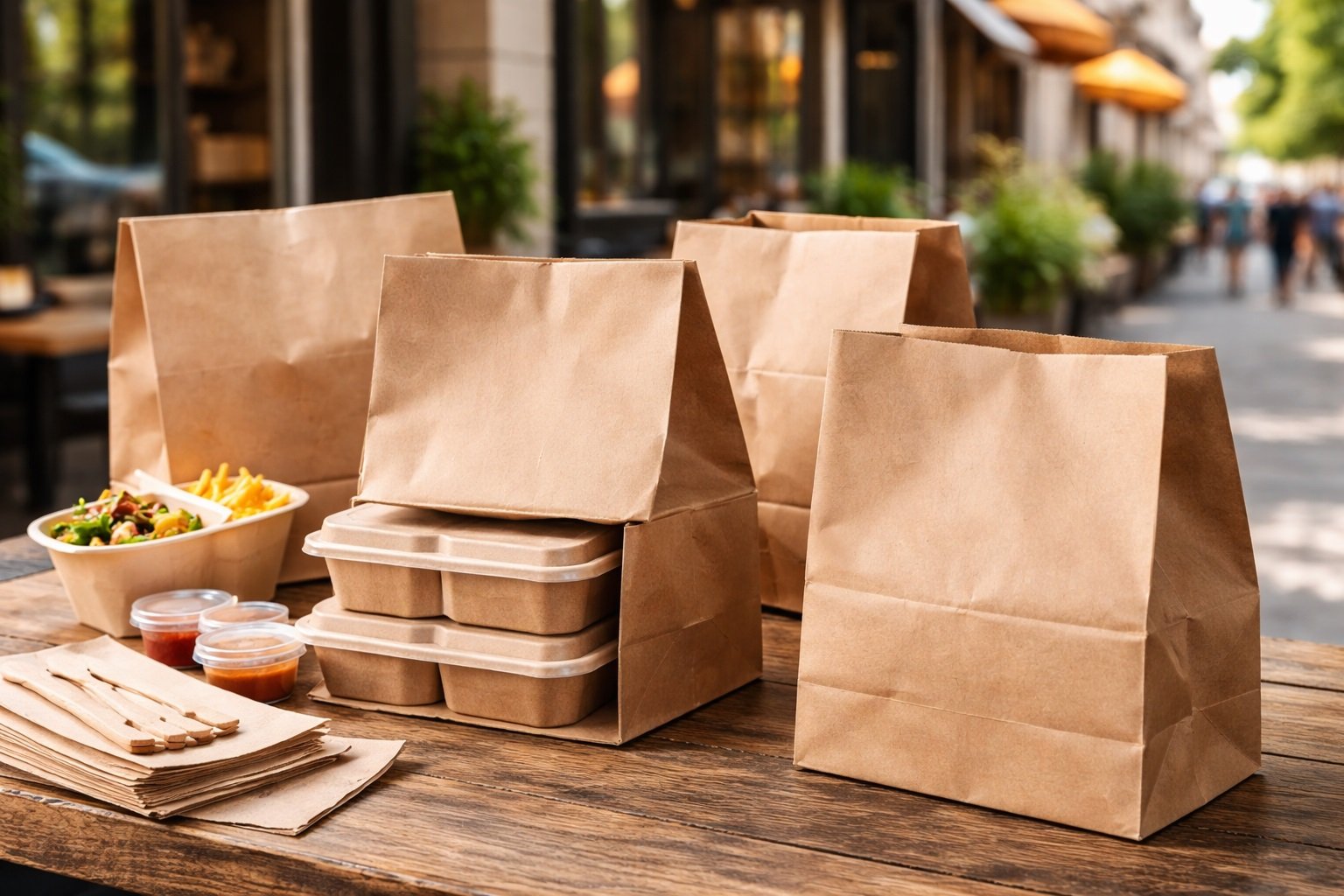
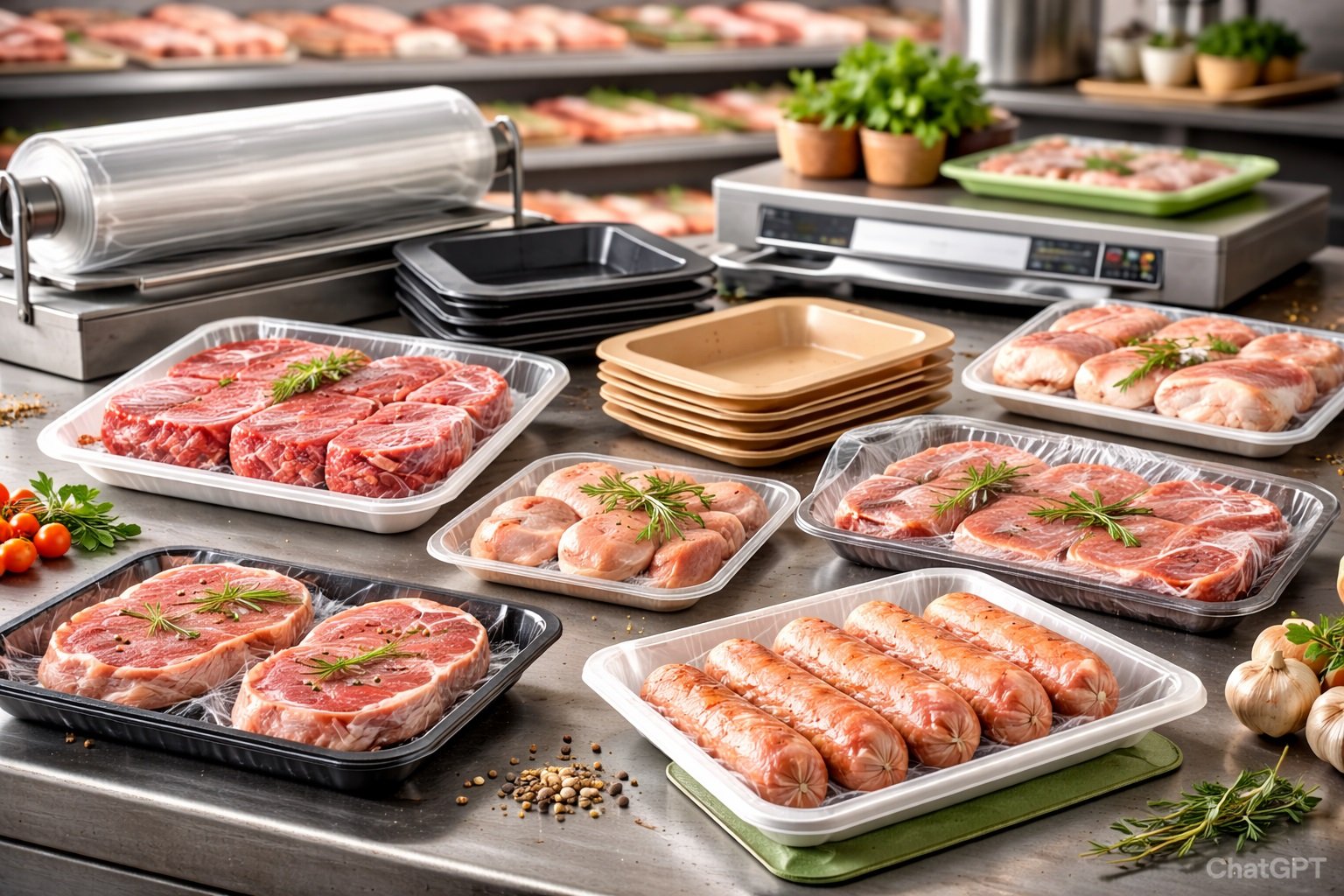
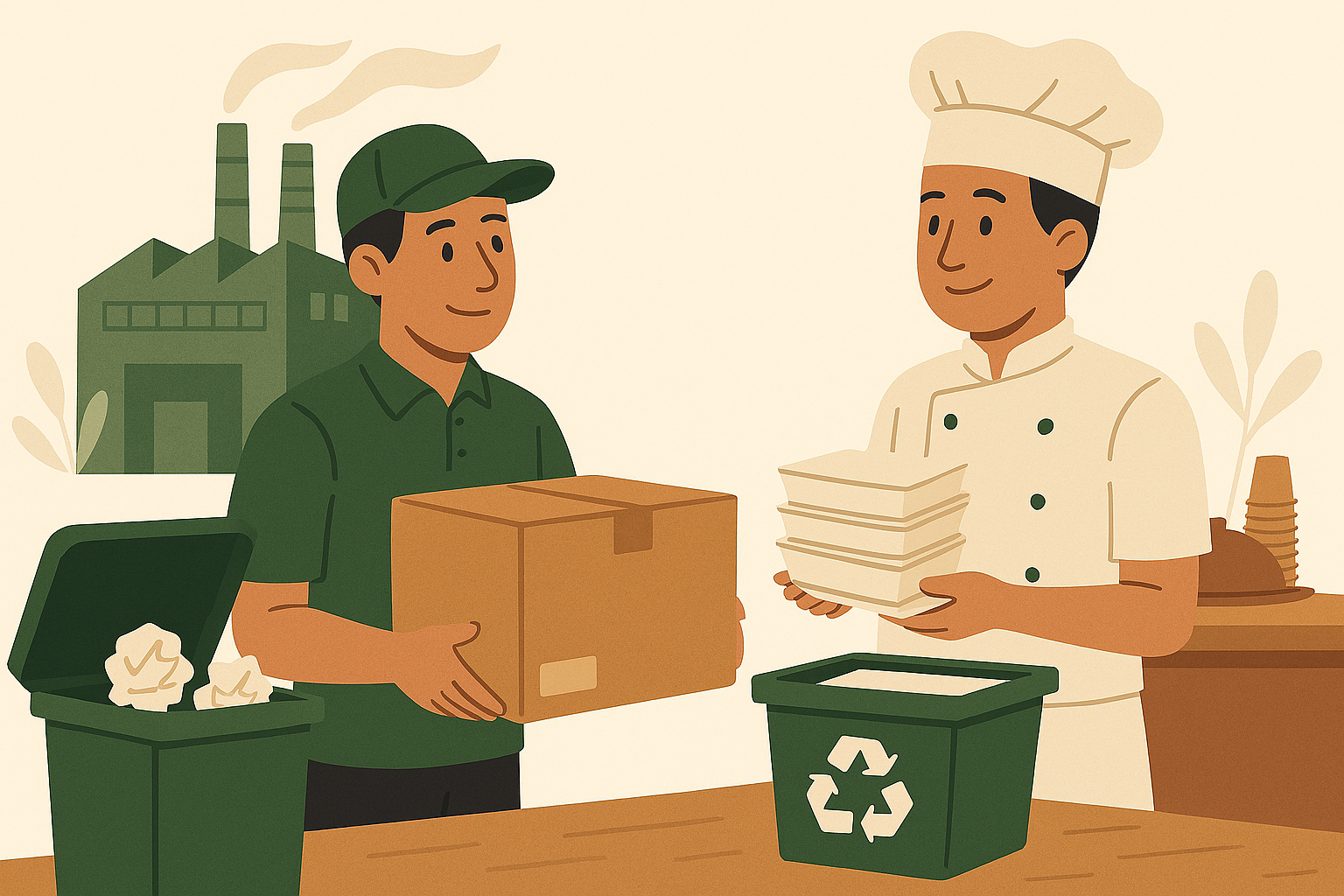
Paper has progressed from a mere writing medium to a multifunctional material that influences packaging, sanitation, art, and sustainability. Its application has evolved from prints and parcels to the domains of banking, marketing, industry, food, and much more. In catering and restaurant supply, paper has secured its place as an indispensable essential. An item that is subtly woven into every aspect of the service. However, to maintain its position, paper mills are constantly adapting to meet the modern demands. These needs revolve around the concepts of viability, innovation, and efficiency. How to Describe a Paper Mill? A paper mill is a dedicated industrial plant that produces paper on a large scale. Historically, paper production started 2000 years ago when ancient China created sheets of it from mulberry bark and rags. Later, during the 19th century, England brought industrialization into this domain. They introduced water and steam-powered paper mills that gained popularity for their mass production and lower costs. The automation has fundamentally shaped the publications, packaging, and sanitary products, as is evident today. What does the Paper Mill Feed On? The inputs or raw materials that are used in the manufacturing of paper include: Each of the above-mentioned varieties of raw materials affects the quality, texture, and strength of the paper. What Procedure is Followed? Pulping The very first step is to separate and convert the chosen raw material into a fibrous slurry or pulp. There are three methods to do so: Bleaching They refine and improve the mixture’s appearance through bleaching. The modern techniques utilize safer chemicals to lower the environmental impact. Papermaking They then soften the pulp with water and distribute it evenly on a moving mesh for sheet formulation. The presses wring out the excess water. Next, they pass the flat pieces through heated cylinders for further removal of moisture. Finishing Now the dried paper is coated and cut into desired sizes and shapes. The specialized papers receive further treatments to enhance the gloss, texture, and water resistance. What does Each Type of Mill Handle? Newspaper Mill This kind of mill produces low-cost and lightweight paper that newspapers generally use. Printing and Writing Mill These paper mills are invested in the manufacture of high-quality office and printing sheets. Tissue Mill Such plants make toilet paper, facial tissues, and paper towels. Specialty Mill They are inclined towards the generation of cardboard, packaging materials, and industrial-grade technical papers. How are the Demands of Catering and Restaurant Supply Met? The hospitality sector greatly depends on its catering and restaurant supply. These essentials are now preferred to be paper-based. Such paper supplies take up the hygiene, packaging, and convenience responsibilities. Eco-Friendly Alternatives From the plant fibers, the paper mills are producing compostable plates, cups, wrappers, and much more. They aim to reduce the landfill waste since these catering and restaurant supplies can decompose naturally. An increasing amount of used scraps is repurposed into napkins, disposable towels, and packaging items. Furthermore, the pulp is sourced from certified forests or recycled paper to reduce deforestation. The paper mills are mindfully adopting reclaimed water systems and renewable energy to lessen the ecological impact. Also, the rejects are recycled into new items, and the leftover pulp waste is converted into biogas or fertilizers. Purpose-Built Papers Grease an Oil-Resistant Paper: Grease-proof coatings and plant-based liners are a common addition to takeout containers and sandwich wraps. This feature ensures the food remains fresh until it reaches the hands of the customer. Moisture-Retaining Paper: Water-resistant linings prevent the supplies from getting soggy that hold liquid or moist foods. Heat-Safe Paper: Many of the catering and restaurant supplies can resist high temperatures, making them the perfect fit for ready-made and microwavable meals. Custom Designs and Branding: Many brands want to get their logos or identities stamped on the tableware. Paper mills provide edible and food-safe inks for this purpose. The plants also employ custom molds and cutting techniques to meet the tailored demands. Hygiene and Safety Factors Partner Up with a Service that Commits We at American Eagle Paper Company Inc. believe that every business has needs that reflect its diversity. Hence, each customer who walks through our doors will find what they need as we cater to a broad customer network.
From Recycling Trash to Treasure
Uncategorized
ahmer

From Trash to Treasure: How Your Everyday Recycling Becomes Premium Paper

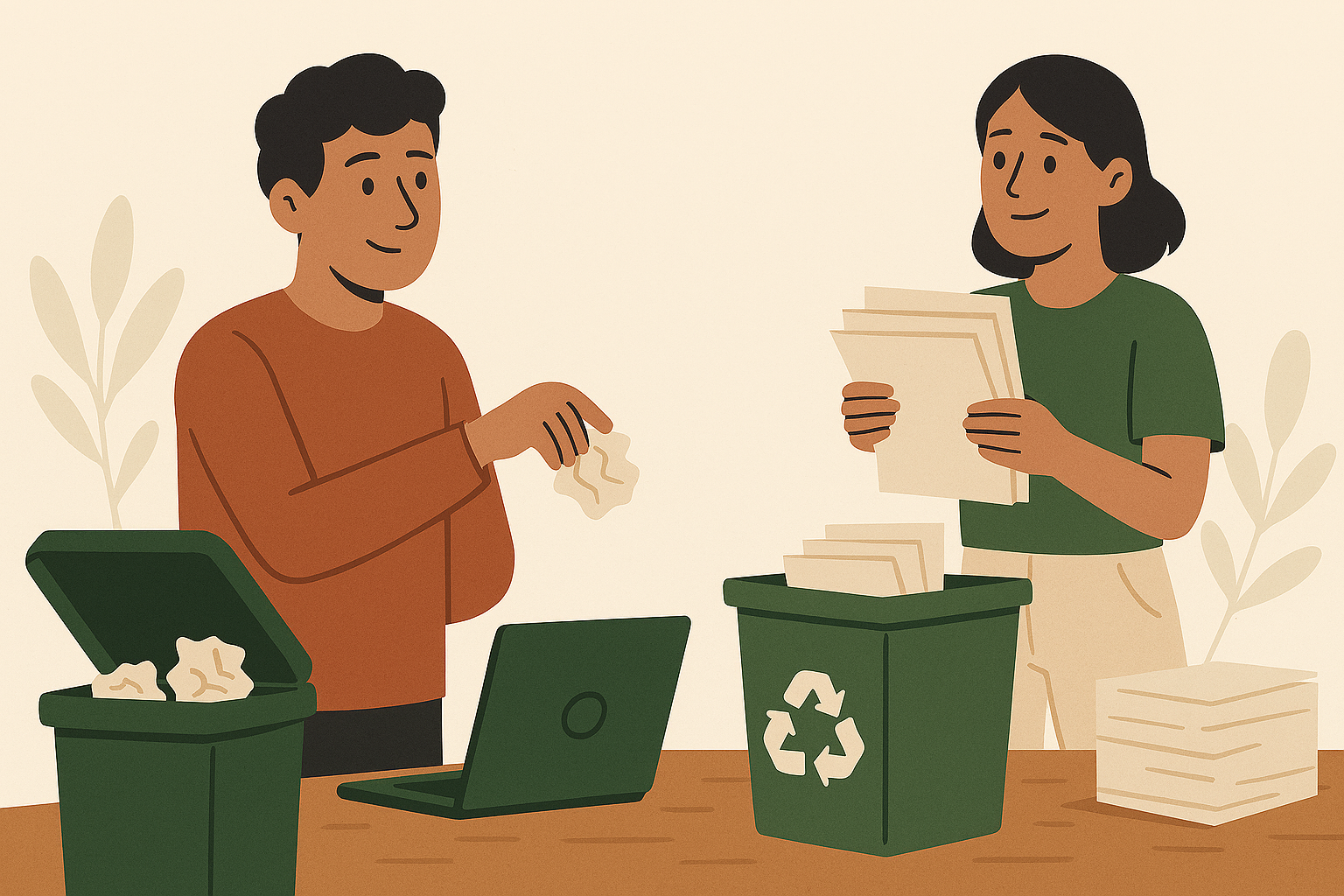
That old cereal box and some old junk mails are an irritant, and you are thinking of throwing them away in the recycling bin.  The little act of service, you must feel good about doing your part to save the planet. But what happens to junk mail and cereal boxes after a recycling truck hauls them away? It ends up in a paper mill! You surely did not think about this. What if I tell you that they will transform junk mail and cereal boxes into premium paper? Most packaging company reuse these products. The process is far more amazing than the result. It feels like a treasure of processes. Journey From the Bin to the Facility Sorting at MRF Your recycling journey begins at the curbside. The blue bin you put out every week is just the starting point of the complex system of ending up at paper mill.   The recycling truck that picks up your paper goods takes them to a Materials Recovery Facility (MRF, or “murf” if you want to sound in-the-know). At the MRF, the focus is sorting—separating paper from plastics, metals, and glass. The task is done in collaboration between humans and machines. The Process Separating your soda cans from your cardboard boxes and printer paper is done via optical sorters, magnets, and human hands. In the case of paper products, they are separated into different types: cardboard, newsprint, and office paper, since they each have different recycling paths. The stage is essential to make sure that the process is streamlined and the materials are not contaminated. Paper Mill Process of Transforming Trash  Breaking It Down  The first step is to sort out the paper and then compress it into massive cubes. These cubes are now ready to be transported to a paper mill. This is where the process begins. The bales undergo shredding, and the paper is fed into a massive container called a pulper. It works like a huge blender. It mixes the paper with water and turns it into a thick soup; we call it pulp.  Cleaning Up the Pulp  The pulp is produced in excess with small fibers. Sadly, there are some unwanted components in the pulp, such as staples, tapes, bits of labels, glue, and several more. So, this goes through a separate process to help get rid of the contaminants. The coarse matter is separated with the help of screens, and the finer bits are separated out with the help of chemicals and water. The water washes and purifies the pulp. After this step, the pulp is ready for its Cinderella moment. Making Luxurious Paper for Packaging Company Striking the Right Balance Making luxurious paper products like high-end luxury packaging, fancy notebooks, and premium printer paper requires equally good quality pulp. To strengthen and smooth the pulp, some mills blend recycled fibers and the pulp made from freshly cut trees. Depending on the final product, the ratio of the blend differs, but the goal remains the same… to achieve the desired consistency and quality for the paper. Creating the Desired Shape Shaping the final product requires spreading the pulp mixture like rolling dough over moving screens. Wet, fragile “sheets” are formed as the blend and the screens dry the water from the mixture. Then, the sheets get crispy after getting pressed, dried, and heated through massive rollers in packaging company or paper mill. Premium paper goes through additional procedures, such as calendaring or applying coatings for a glossy finish, to make it extra luxurious. Bigger Picture: Challenges and Impact Recycling Imperfections Recycling processes are not flawless, and every step has its challenges. Not every piece of paper is transformed into “premium paper.” Some fibers become too short after multiple cycles and are only fit for lower-grade products such as tissue or paper towels. Contamination from pizza boxes covered with grease or paper coated with plastic can ruin the entire batch. Why It Matters Despite the imperfections, recycling paper saves trees, reduces waste in landfills, and conserves energy. The EPA estimates that paper recycling saves approximately 17 trees and 7,000 gallons of water for every ton of paper processed. These figures are not just feel-good stats. They illustrate how individual actions, such as sorting recyclables, contribute to larger systems. Your Contribution to the Cycle  It’s mind-blowing to think that something you literally toss away without giving a second thought can undergo a transformation. The best part, anyone would pay good money on the product that came out of the recycling process. Those worn-out cardboard boxes can come out of paper mill as creamy paper in high-end journals. It can even become sleek packaging for newly released gadgets from packaging company. However, it also translates to us bearing some responsibility. For us to recycle effectively, there are some basic rules that we need to follow. The golden rules are such as rinsing out food residue, keeping non-recyclables away from the bin, and following the rules in one’s locality (yes, they differ). So, the next time you are about to toss that junk mail or compress a cardboard box, imagine the journey it goes through from the bin to a bustling mill. The process of transformation is beautiful and useful. It’s not just trash; its raw materials turned into something premium, and it can be very satisfying.

Finding Sustainable Office Supplies Near Me
Uncategorized
ahmer

Finding Sustainable Office Supplies Near Me: Why Local Choices Matter for Your Business and the Planet

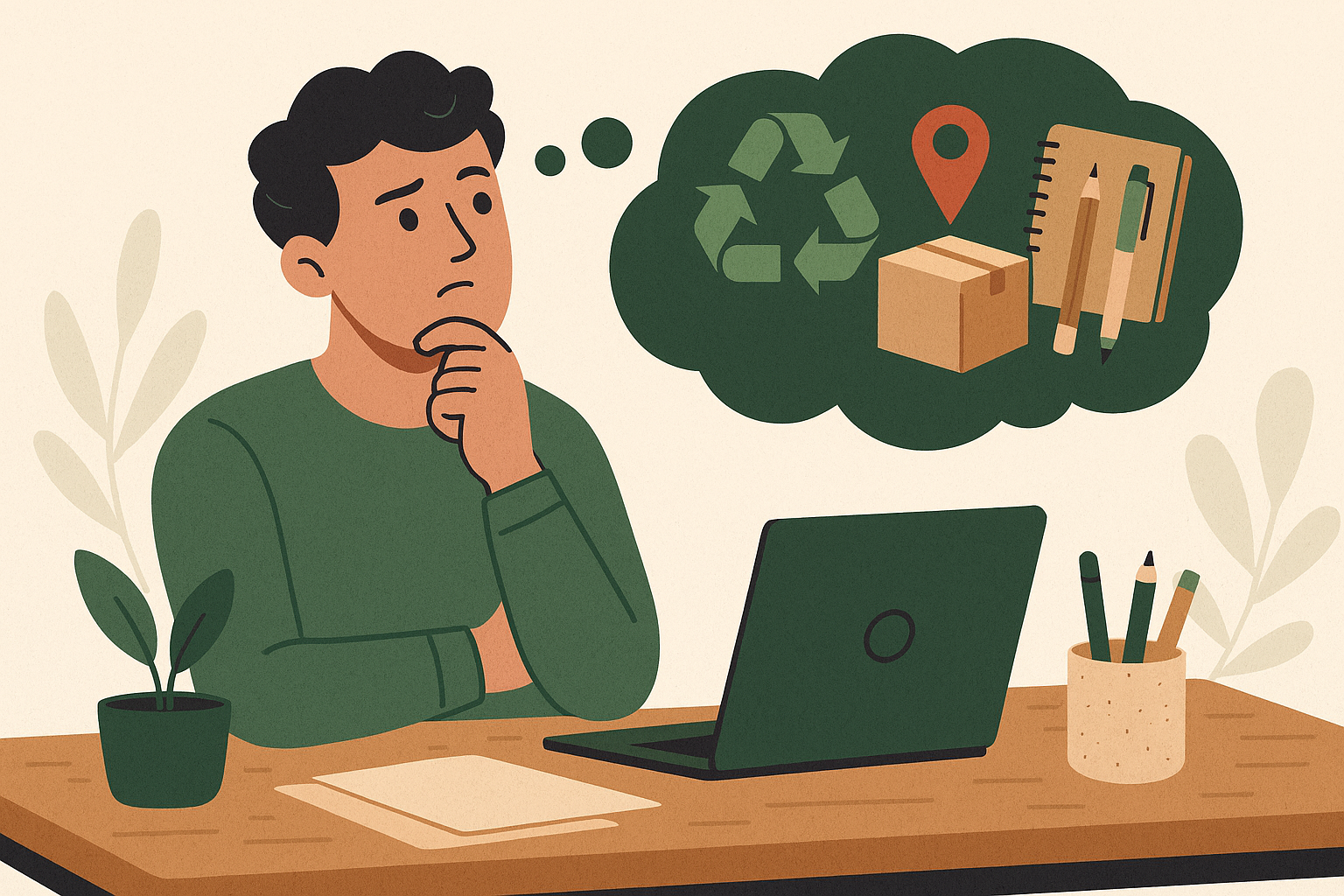
Running an office means constantly restocking supplies. The endless need of paper, pens, notebooks, you name it, there is a black hole where these office supplies keep ending. If you knew the process of how these supplies end in beautiful packages? It is normal to grab whatever was cheapest or most convenient. Lately, I’ve been diving into why choosing sustainable office supplies near me, exclusively local-made, can make a big difference for both your business and the planet. It’s not just about going green, it’s about making smarter, more responsible choices that ripple outward. Why Sustainable Office Supplies Matter? Environmental Impact Office supplies may seem like small potatoes, but they surely add up. In a paper mill, for traditional paper production can guzzle tons of water, energy, and trees while pumping out emissions. According to EPA, producing one ton of virgin paper generates about 2,300 pounds of CO2 equivalent. Time to pause and rethink. Sustainable supplies such as recycled paper or biodegradable pens—cut down on that footprint. The production of these office supplies uses fewer resources, reduce waste, and often come with eco-friendly certifications like FSC (Forest Stewardship Council) or Green Seal. The Business Case Recently, going sustainable isn’t just virtuous or good for the planet; it’s also good for the business. Most woke customers and gen Z employees are aware about eco-conscious practices. A 2023 Nielsen study found 73% of consumers choose brands which follow sustainable principles. When you are stocking your office with green supplies, you are signaling you are walking the talk. It boosts your reputation and even employee morale. Plus, energy-efficient or durable products save you money with time. It means fewer replacements and lower costs. The Local Advantage Supporting Your Community Buying local office supplies near me isn’t just a feel-good buzzword; it’s a game-changer! When you source local office supplies from nearby vendors, you’re keeping money in your community. Nothing is better than this sentiment. In a ripple effect, you are supporting local jobs, and reducing the carbon footprint tied to long-distance shipping. A local stationery shop, office supplies near me, or eco-focused supplier often has a smaller, more transparent supply chain. Faster, More Flexible Service Local suppliers can often deliver faster than big-box retailers or online giants. When you need a rush order of recycled printer paper, a nearby vendor might have it to you same-day. That too, without the packaging waste of an online order. Plus, they’re more likely to collaborate with you on custom orders or bulk discounts, building a relationship that benefits your business long-term. How to Find Sustainable Office Supplies Near Me Start with Research Finding local, sustainable suppliers is easier than you think. Start with a quick search for “sustainable office supplies near me.” You can also check platforms like Yelp or Google Maps for eco-friendly stationery stores. Plus, look for businesses that advertise recycled, biodegradable, or locally made products. Some areas even have green business directories—check your chamber of commerce or city website. Ask the Right Questions Sorry for being the bearer of bad news, not all “green” claims are legit, so do a little digging. Ask the suppliers if their products are certified (FSC, Rainforest Alliance, or Cradle to Cradle are good ones). Also ask if their papers made with post-consumer recycled content? Do they source from local or regional manufacturers? A good supplier will be happy to share this info; it’s a sign they’re proud of their practices. Explore Local Alternatives Don’t underestimate the smaller players of the community. Local print shops may have recycled paper options. Even more, office supplies shop near me could carry sustainable notebooks or pens made from bamboo or recycled plastic. Even farmers markets have vendors selling eco-friendly office goods. If you’re in a fix, check the local vendors, schools and nonprofits. Some of them run supply drives or sell surplus eco-friendly materials. Challenges and How to Overcome Them Cost Concerns A legit concern! Sustainable supplies seem like will cost more upfront. Hold on, don’t jump to conclusion yet. Recycled office supplies, Recycled paper or biodegradable pens might have a higher price tag if you are comparing. But you must think long-term as a business. Durable, high-quality products last longer, and some suppliers offer bulk discounts. Plus, think of the PR boost from being a green business outweigh the initial cost. Limited Local Options If you’re in a small town, sustainable suppliers might be scarce. In that case, you may have to reach out to regional vendors. Consider partnering with businesses in the town for group orders to cut shipping charges. Making It Work for Your Business Switching to sustainable, local office supplies doesn’t have to be an all-or-nothing deal. Start small and swap out virgin paper for recycled. Also, opt for refillable pens. Talk to your team about why using sustainable practices matters. Getting everyone on board makes the transition smoother. It is best to track your usage to avoid over-ordering. Share your eco-efforts on social media or your website. Customers love seeing businesses take action. The truth is, choosing sustainable office supplies from local sources is more than a trend—it’s a way to align your business with values that matter. It’s about knowing that the paper you’re printing on or the pens you’re handing out aren’t just tools but part of a bigger story. You’re supporting your community, cutting waste, and showing the world your business cares. American Eagle Paper is your partner in transition to green. Reach out to us for the quote.