
Why Philly Retailers are Swapping Plastic for Reusable Non-Woven Bags
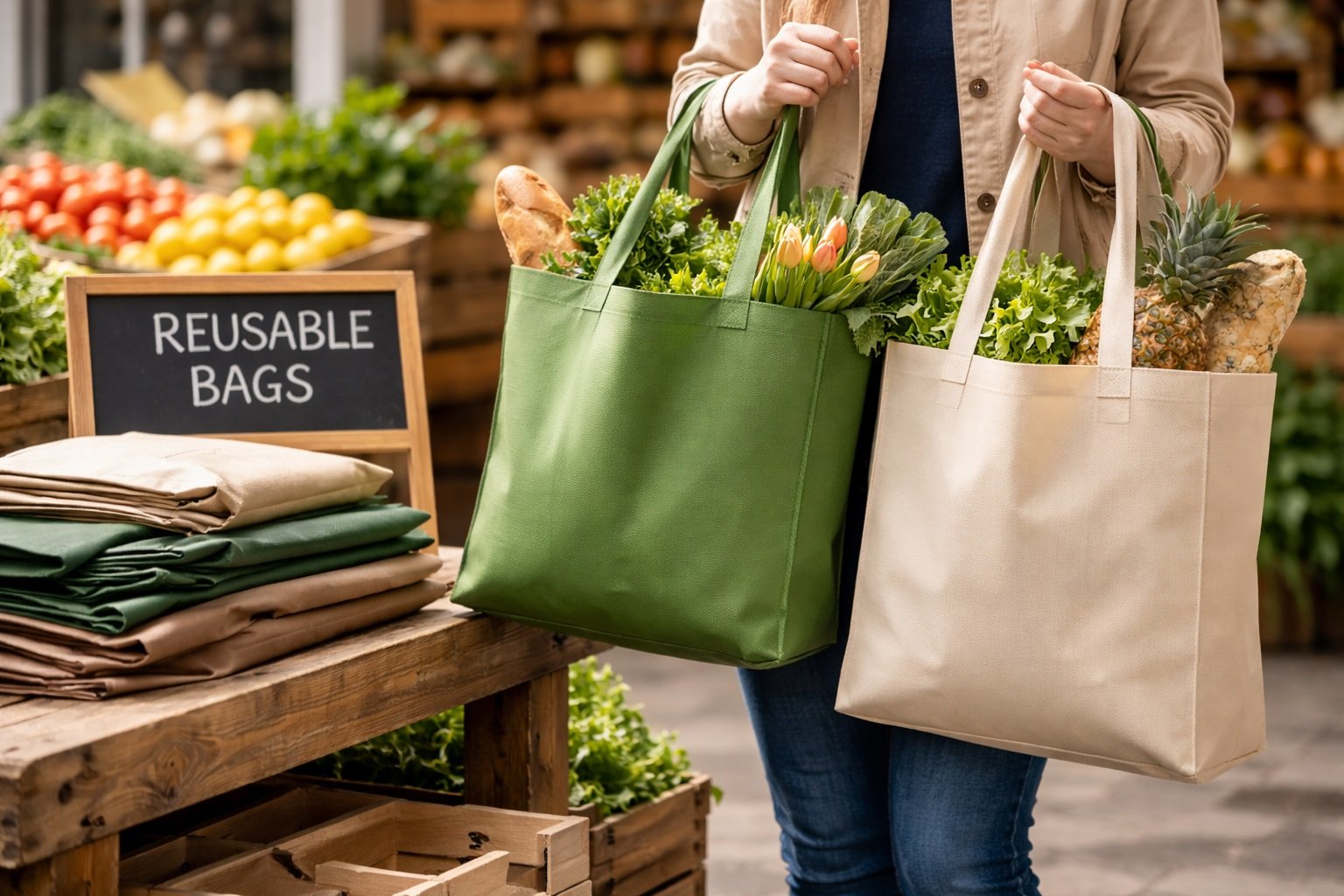
Retailers in Philadelphia keep facing real pressure to ditch single-use plastics. Many now actively swap them for reusable non-woven bags in Philadelphia. The practical move helps businesses stay on the right side of local rules, trim long-term costs, and connect better with customers who care about the environment. Philadelphia first rolled out its plastic bag ban back in 2021, with full enforcement kicking in by 2022. The city leaders recently strengthened the rules with a 10-cent fee on qualifying paper bags starting in early 2026. This fine encourages shoppers to feel that extra nudge to bring their own bags or pay a little more at checkout. As a result, stores scramble to find tough, reliable alternatives that actually get reused. Why Non-Woven Bags Stand Out Non-woven bags are made from bonded polypropylene fibers. They deliver fabric-like strength at a price that works for everyday retail. Stores across PA pick them because the bags carry heavy loads without ripping apart after just one or two trips. You fill one with groceries, takeout containers, or catering items, and everything stays put. The material holds its shape far better than thin plastic. Shoppers simply fold the bag and keep it handy for the next run. Businesses notice they hand out far fewer replacement bags each week. Many Philadelphia retailers add their own logo or simple design. Every customer who walks out the door turns into a moving advertisement. People spot the clean look and link it to a store that thinks ahead about quality and responsibility. An Apt Push From Local Rules The plastic bag ban changed the checkout routine overnight. Most stores no longer offer free single-use plastic. The use of a paper bag serves as a wise fallback, but that additional dime was adding up fast for regulars. Instantaneously, shoppers were bringing their own bags to save on their daily shopping. Smart retailers stock reusable bags in Philadelphia that feel worth keeping. Non-woven styles strike the right balance; they look and feel premium without breaking the bank when ordered in bulk. Owners watch their supply costs drop because one sturdy bag replaces dozens of flimsy ones over time. Environmental worries also play a big role. Plastic litter still shows up along sidewalks and in waterways. When customers actually reuse non-woven bags multiple times, the overall waste shrinks. Many stores train staff to gently remind shoppers how these bags cut down on trash when used again and again. Sure, some folks point out that polypropylene comes from petroleum. Yet a single bag used 20 or 30 times spreads its impact thin. Retailers who share simple reuse tips help customers make the most of every purchase. Catering Operations Love the Switch Food businesses in Philly especially benefit. Restaurants and caterers deal with big, sometimes messy orders every day. They pair sturdy non-woven totes with large carryout boxes, Philly, so everything travels safely. Catering crews load multiple trays and containers into one reinforced bag. The handles hold firm, and the fabric handles light moisture without falling apart. Customers receive their orders looking neat and professional, no spilled sauces or crushed boxes. Suppliers across Pennsylvania offer these bags together with other wholesale catering supplies in Pennsylvania. Owners place one order for bags, boxes, trays, and more. This streamlines inventory and keeps kitchens running smoothly during busy weekends or big events. Impactful Cost Saving With Time Non-woven bags definitely cost more upfront. But retailers did their math with constant restocking, a paper bag fee, and staff often double-bagging the groceries. Bulk buying brings the per-bag price down nicely. A corner store or mid-size grocer often spends less after a few months because fewer bags walk out the door each shift. Some owners add a small display and watch customers buy extra bags on impulse when they like the quality and branding. Local supplier American Eagle Paper sits right in Philadelphia and stocks a solid range of these durable options. Businesses turn to them for fast service and products built for the local market. The company knows what corner stores, supermarkets, and caterers actually need day to day. How Shoppers React Philadelphia customers adjust faster than many expected. Plenty now keep a couple of reusable bags in the car or by the door as a simple habit. They comment on how the sturdy handles and solid bottom make carrying loads easier than before. The change creates a quiet ripple. Neighbors notice someone with a branded non-woven tote and ask about it. Stores build loyalty when they make the switch convenient, maybe by offering a small discount on the first bag or clear signage at the register. Practical Steps for Retailers If you run a shop and feel hesitant, start modestly. Order a small batch and test them at one register. Track how many customers bring them back versus asking for new ones. Look for bags with reinforced bottoms and strong handles. Pick colors or prints that match your branding so they look intentional rather than random. Clear signs that say something simple like “Reusable Non-Woven Bags available, help keep Philly clean” work better than long lectures. Parting Thoughts Philadelphia retailers continue adjusting as rules and habits evolve. Non-woven bags PA give them a solid middle ground that meets regulations while delivering everyday value. Businesses that move early look proactive. They control expenses, reduce waste, and strengthen ties with the neighborhood. Customers remember stores that make sustainable choices feel easy instead of forced. Stop by suppliers like American Eagle Paper to explore the reusable non-woven bags Philadelphia options that local businesses already count on. You will find styles suited for quick grocery runs or full-scale catering jobs. The shift away from single-use plastic happens one bag at a time. Yet the advantages grow with every reuse. Retailers who pick durable non-woven solutions turn a city rule into a chance to stand out. They keep operations smoother and help build a cleaner, more practical Philadelphia for everyone.