
The Best Packaging Materials for Preventing Food Delivery Damage
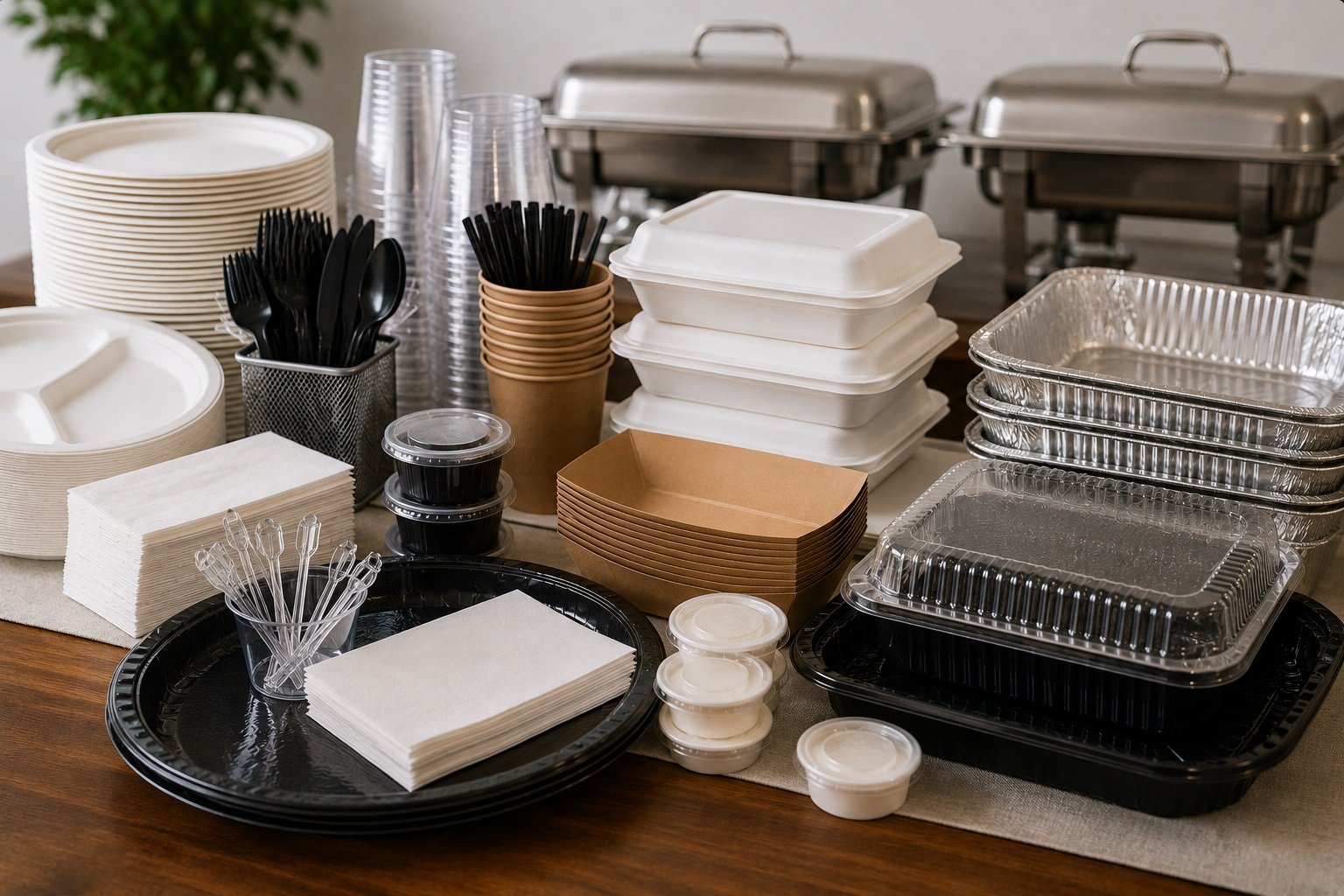
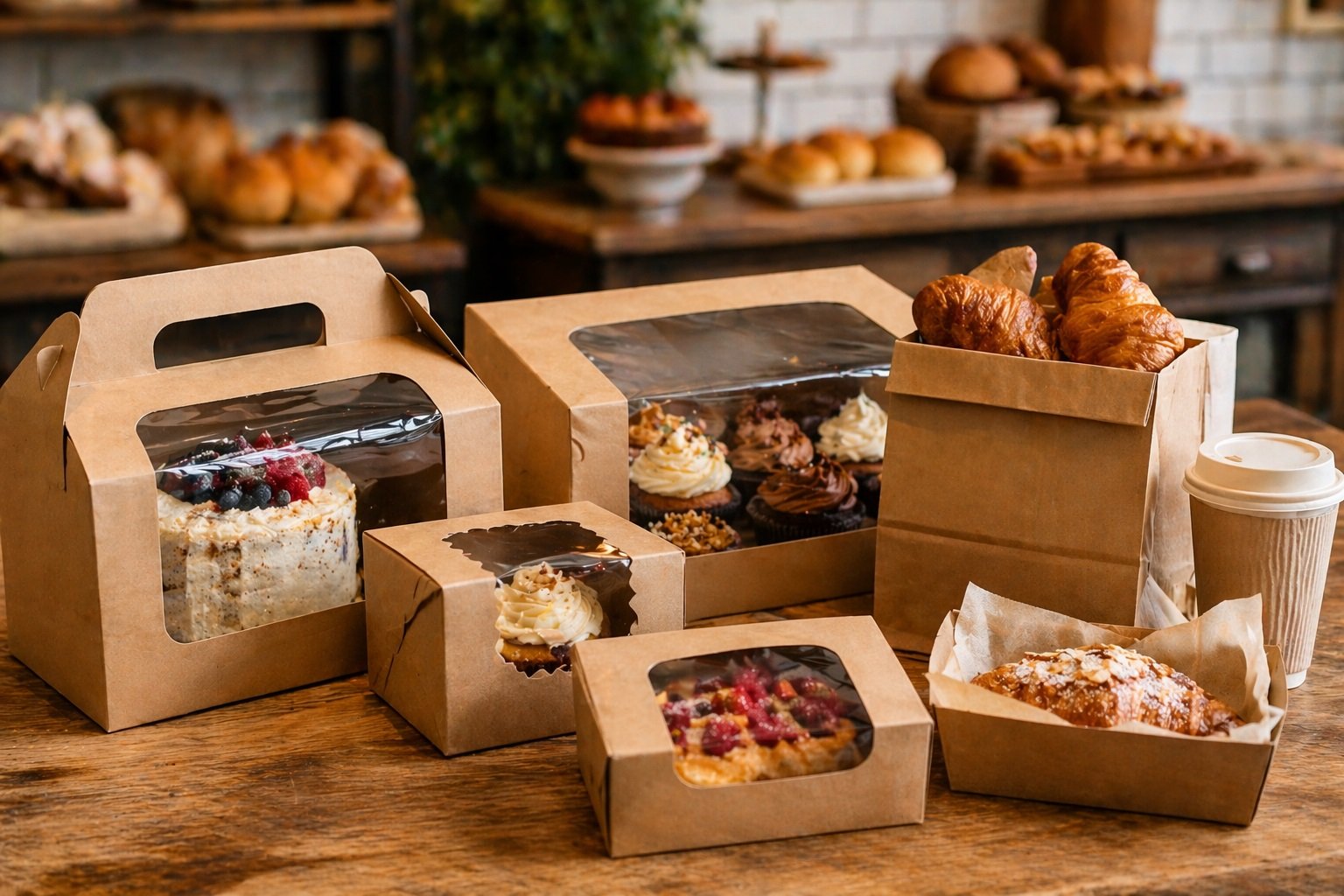
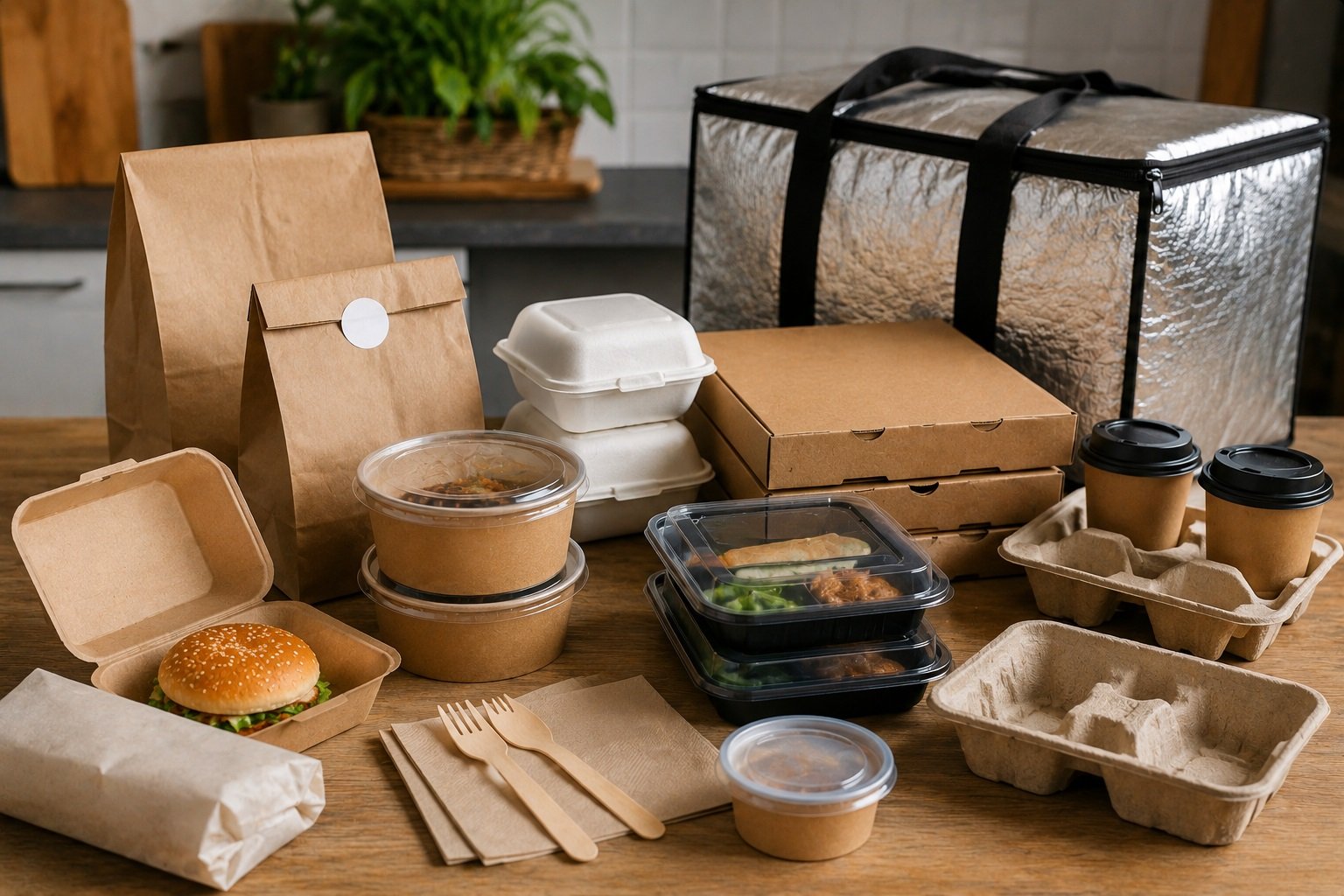
Ask any restaurant owner in Philadelphia what keeps them up at night, and delivery complaints will make the list. Not because the food is bad, but because it shows up wrong. The burger arrives crushed. The soup leaks through the bag. The fries sit in a pool of condensation. By the time the customer opens the door, the meal looks nothing like what left the kitchen. Here’s the thing: most of that food delivery damage is preventable. The problem isn’t the driver, the distance, or bad luck. It’s the packaging. Restaurants that invest in the right materials see the difference immediately: fewer refund requests, better reviews, and customers who actually come back. Those who don’t keep repeating the same cycle of complaints without ever identifying the real cause. Invest in durable food packaging Philadelphia, so your patrons don’t slog away from you. Stop Blaming the Driver Food delivery damage in packaging occurs long before a driver makes a single wrong turn. It fails the moment a lid pops off because it was never designed to handle a moving vehicle. It fails when a container warps from heat and loses its seal. It fails when a paper bag folds under the weight of stacked orders and tips everything sideways. Choosing durable food packaging Philadelphia means accounting for all of that: heat, weight, movement, and time. A container needs to do more than hold food in a kitchen. It needs to hold food through fifteen minutes of stops, starts, and turns without giving up. That’s a different standard. And it requires thinking about durable food packaging Philadelphia more carefully than most restaurants do. Leaks Ruin Everything Around Them One leaking container doesn’t just ruin one item. It soaks the bag, seeps into adjacent containers, and turns the whole order into a soggy disaster. Customers don’t separate the blame. They blame the restaurant, and they tell people. Leak-proof takeout containers in Philadelphia have become essential for any operation that takes delivery seriously. The difference between a container that leaks and one that doesn’t usually comes down to the lid design. Press-fit lids feel secure when sitting still. Add lateral movement, and they release under almost no pressure. A locking lid, one that clicks and holds, stays closed through the full trip. For soups, braised dishes, and anything with significant liquid, lid design matters even more. Low, wide containers with click-lock lids handle movement far better than tall, narrow ones that tip at the first sharp corner. Material quality plays a role, too. Polypropylene holds its shape under heat. Cheaper plastics warp, and a warped container no longer seals correctly, regardless of how good the lid is. Fix the lid. Fix most of the leaks. Hot Food Should Arrive Hot Temperature is the other complaint that drives customers away. Food that arrives lukewarm when it should be piping hot signals one thing to the customer: the restaurant didn’t care enough to think about the trip. Insulated and durable food packaging Philadelphia addresses this directly. Moreover, the modern options work far better than the basic insulated bags most restaurants started with years ago. Multi-layer bags with reflective inner lining slow heat loss significantly compared to single-layer alternatives. For orders with both hot and cold items, compartmentalized bags keep temperatures separate, so neither side compromises the other. At the container level, double-wall paperboard construction adds meaningful insulation without adding much bulk. It keeps heat inside longer and keeps the outside surface comfortable to handle. It matters both for food quality and for the customer’s experience when they pick up the bag. Temperature consistency is one of those details that customers notice every time it goes wrong. Get it right consistently, and it becomes a reason they choose you over someone else. Crushed Food Doesn’t Photograph Well Delivery customers take photos. They post them. A beautifully plated dish that arrives crushed becomes a negative review with visual evidence attached. Structural failure in packaging is a reputation problem, not just a food quality problem. Corrugated materials solve this. The fluted inner layer of corrugated board absorbs compression without transferring it to the contents. That’s why pizza boxes don’t collapse under a stack of drinks. The same principle applies to burger boxes, sandwich containers, and anything else where shape matters at arrival. Inside the delivery bag, a rigid bottom board changes everything. Without one, bags collapse inward, containers tip, and the whole order shifts during transit. A simple cardboard insert holds containers upright and distributes weight evenly across the base. It’s a minor addition that prevents a significant number of in-transit spills. Good structure keeps food looking like food when it arrives. A food delivery packaging supplier PA is all you need on your speed dial. Wholesale Sourcing Keeps Quality Consistent None of this matters if you run out of the right containers mid-service and start substituting whatever is available. Consistency in packaging requires a reliable supply chain. For high-volume restaurants, that means working with a proper food delivery packaging supplier in PA. Usually, when the food joints search for ‘restaurant packaging wholesale near me’ often discover that local suppliers offer more than just competitive pricing. Uniquely, a supplier who works specifically with food service operations understands what different menu items actually require. They can also recommend container types based on your menu, help you avoid common mismatches, and replenish inventory faster than distant distributors can. Wholesale pricing also makes quality packaging financially realistic. Per-unit costs drop significantly at volume, which removes the temptation to cut corners on materials that directly affect the customer experience. American Eagle Paper and Supplies works with restaurants and food service operations throughout the Philadelphia region. They carry a full range of delivery packaging: leak-proof containers, insulated bags, corrugated boxes, and bulk wholesale options. They know the specific demands of the local market. Frequently Asked Questions What’s the most important packaging upgrade for restaurants that do heavy delivery volume? Start with the lids. Switching from press-fit to locking lids on the highest-liquid items