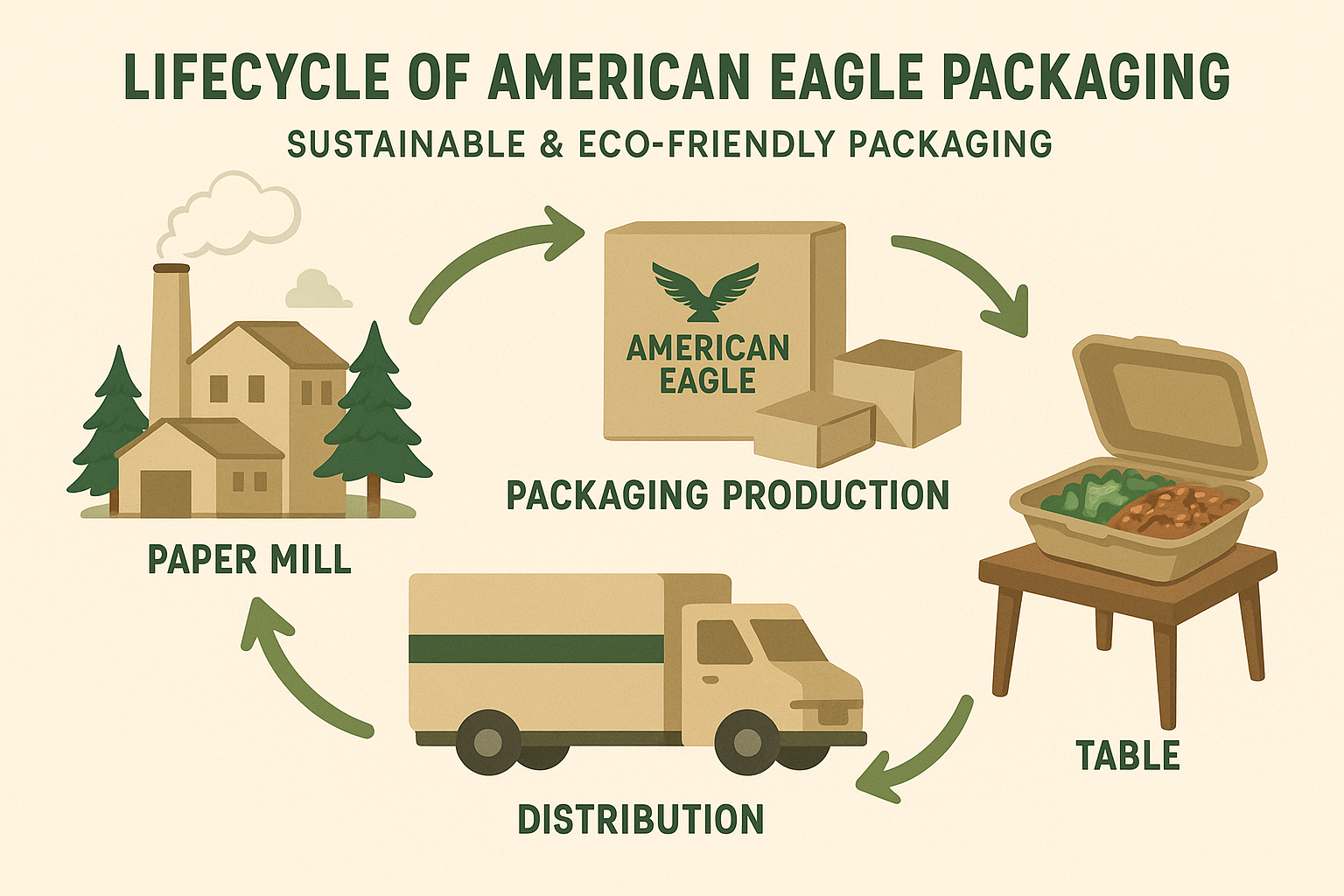

From Paper Mill to Table: The Lifecycle of American Eagle Packaging
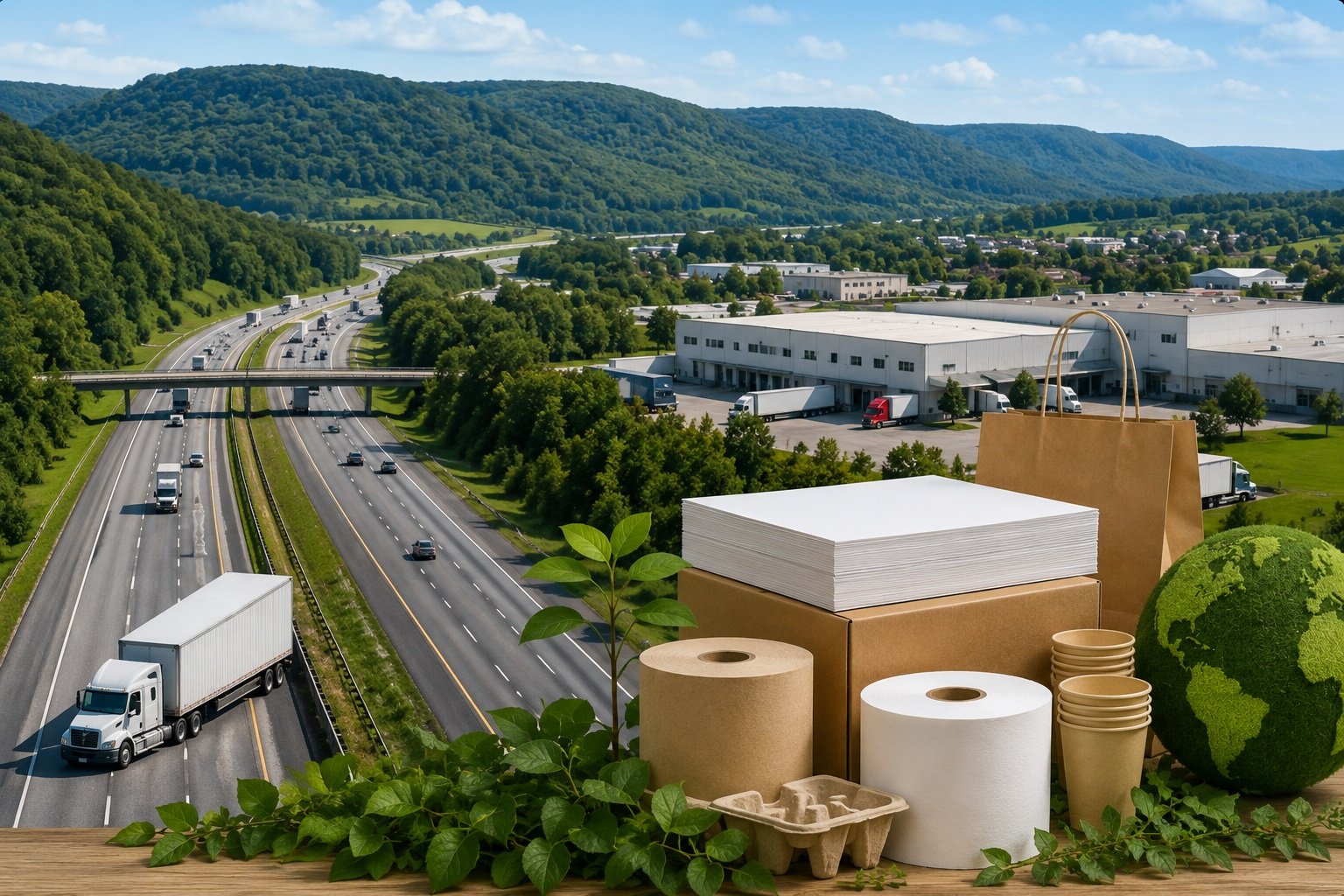
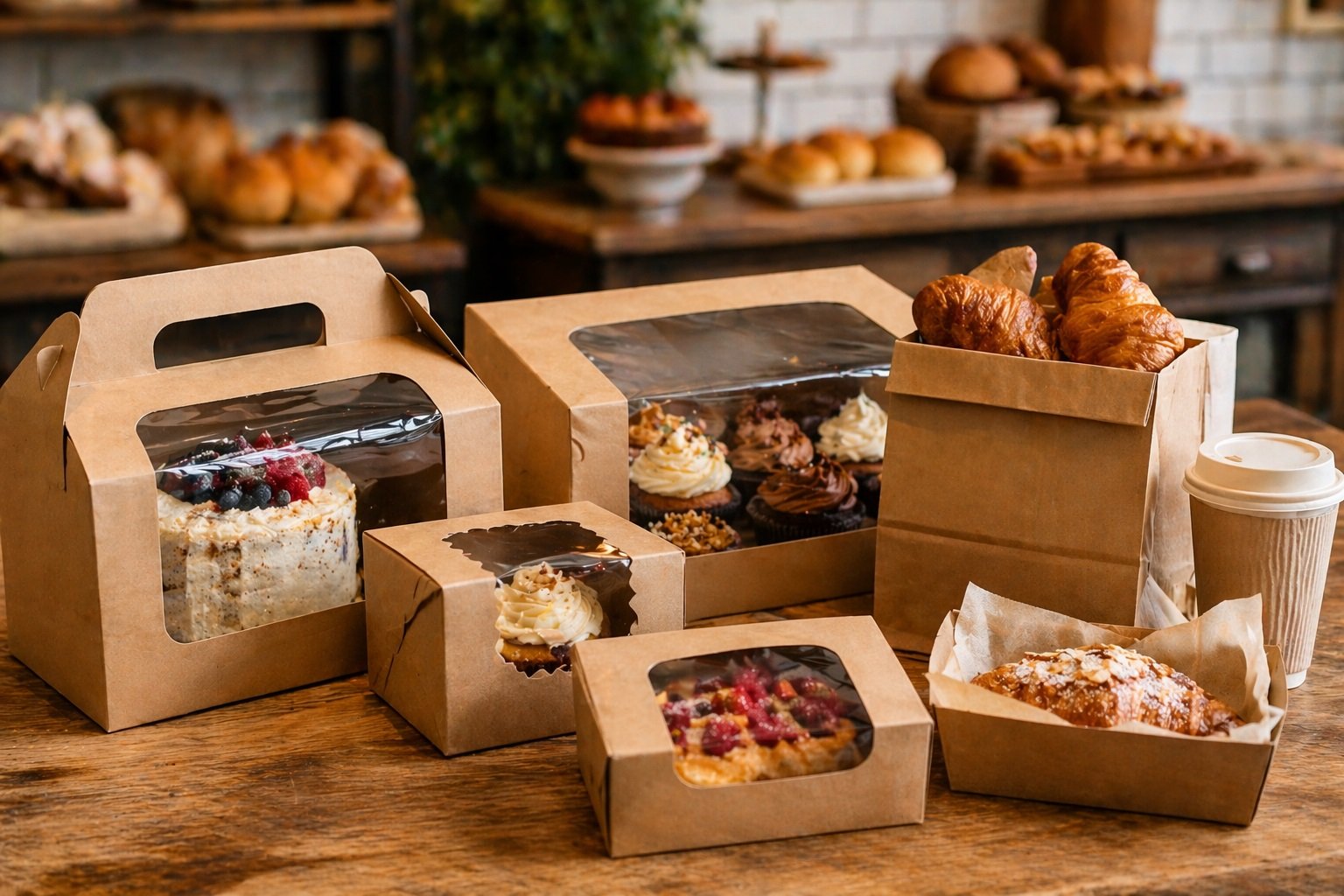
In today’s consumerist, high-velocity economy, companies use packaging as the indispensable element of how they secure, package, and ship goods. A far too uncelebrated hero of the process is the humble pizza box. Which has a surprisingly convoluted path to your front door. To companies like American Eagle Paper Company, the life cycle of packaging is not merely a business function. It is a very engineered process that begins in the paper mill and ends at your table. Merging sustainability, precision, and purpose step by step. The Birthplace: Inside the Paper Company Every great pizza box begins in a paper mill, where raw materials are transformed into high-quality paperboard. With American Eagle Paper Company, the process starts with recycled material and sustainably sourced pulp. As a trusted paper company, they prioritize environmental stewardship without compromising on strength or usability. The pulp is cleaned, pressed, and dried into paper sheets that will someday become the basis of millions of packaging products. At this stage, we have already made decisions regarding thickness and durability. Especially if the final product has to withstand heat, grease, and transportation stresses, as in the case of pizza boxes. Using the Correct Grade of Papers in Paper Company After paper sheet production, the sheets then go through additional treatment to conform to varying packaging specifications. Not all papers are equal, and a pizza box must strike an ideal balance between insulation, folding, and environmental responsibility. American Eagle Paper Company engineers work with food customers to develop grades to satisfy both performance and regulatory standards. In addition to being food-safe grade, customers typically prefer that the box be brand-friendly. The surface must be able to support printed logos and promotional messages. For this purpose, they add coatings and finishes that render the surface ideal for printing colored, high-quality images without compromising the recyclable nature of the box. Cutting and Shaping the Paperboard Once the factory creates the perfect paper grade, the process moves into cutting and forming. Workers cut the large rolls into sheets of a manageable length. Afterwards, they are then die-cut into the forms we know as typical of a pizza box. They perform this task on high-speed equipment and with razor blades to ensure that each crease and fold fit together exactly for quick assembly. The firm takes pride in managing this stage as smoothly as possible. Punctuality is everything, especially when it comes to national restaurant chains that rely on standard packages to ensure product quality and branding. Printing and Branding the Packaging in Paper Company First impressions matter in a competitive market. The box is more than just a package. It is a billboard for the food-delivery company. Here, in this stage of the life cycle, the box passes through high-tech printers that add company logos, mottoes, and possibly even fun trivia or QR codes to facilitate interactive experiences. This is the most specialized part of the process that is reliant on client specifications. A few businesses opt for simple one-color prints to ensure cost-effectiveness, while others opt for full-color prints to deliver a message. With a business like American Eagle, which is very flexible, clients are provided with many printing options that can suit small and large batch orders. Folding, Gluing, and Final Assembly Now that the printing is completed, we convert the flat sheets into functioning boxes. Automated folding machines give the box its typical shape, applying glue where needed and scoring the folds for easy grip. This is a fast-moving assembly line, but keep an eye on the quality along the way for structural integrity. No customer wants a wobbly or collapsing box. For American Eagle Paper Company, every product has to pass durability tests that show the quality aspect of the brand image. Paper Company’s Distribution and Supply Chain Coordination After they assemble the boxes, they bulk the boxes and send them in bulk to customers across the country. That is where efficient supply chain management plays its part. They stack the boxes in batches to save space while still in their shape. They time deliveries to fit in with the aggressive schedules of food companies, which typically use just-in-time inventory. The Customer Experience at the Table When a pizza box finally arrives at the front door or dinner table of a person, few people think about its journey. All of it, however, from the fold of the lid to the piercing branding, is part of the customer experience. A box that keeps the food warm, retains the grease, and offers a clean, neat presentation enhances the meal and makes the restaurant look better. For businesses, this contact point is one of their last chances at a lasting impact. A well-designed box can enhance satisfaction among customers, promote repeat orders, and even create social media buzz when the box is image-retentive. Recycling and Return to the Paper Company The packaging life cycle is finalized when the packaging is recycled. A few pizza boxes, especially those covered with uncoated or lightly coated paperboard, are recyclable if they are not overly greasy. American Eagle Paper Company designs its packaging to be recyclable, closing the loop and reducing waste. Recovered fiber will eventually return to the mill, where it will start all over again in an environmentally friendlier form. In this way, each pizza box is not only a product but also a participant in a circular economy that benefits both the environment and the businesses that depend upon it. Conclusion From raw material to plate, the life cycle of packaging is a story of innovation, precision, and eco-friendliness. Step by step, American Eagle Paper Company ensures each box it produces meets the functional and branding needs of today’s businesses without sacrificing nature. Their high-quality products, like the dependable pizza box, are the result of decades of service as a leading paper company. For business ventures that seek to deliver value, reduce waste, and even better, improve your business credit via good vendor partnerships, it is a sound, strategic decision to