Blog

Tag: Sustainability In Packaging

How Recyclable Packaging Is Transforming the E-Commerce Industry
Uncategorized
ahmer

How Recyclable Packaging Is Transforming the E-Commerce Industry

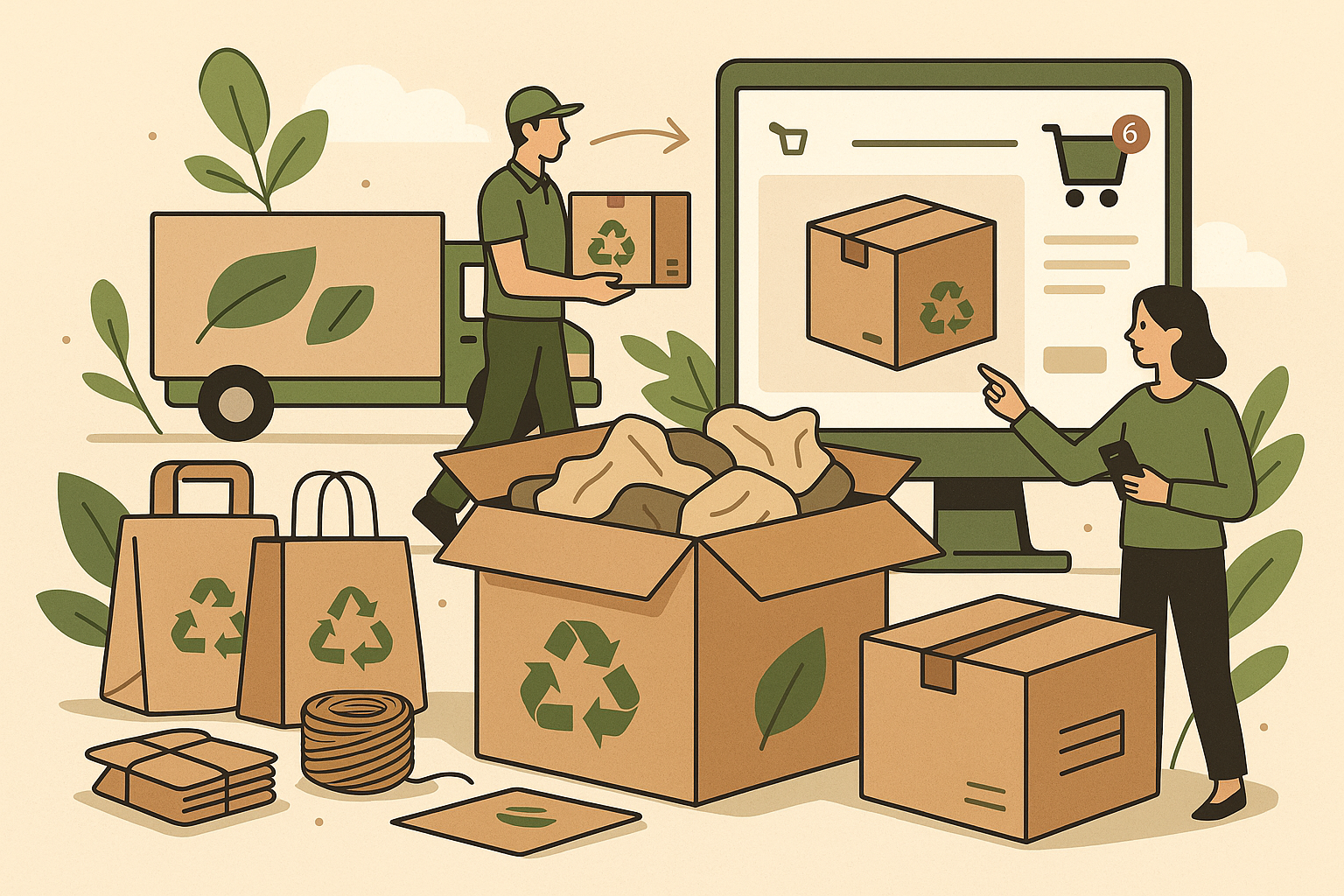
The shift in the buying industry was first witnessed during COVID-19. Consumers had to buy products online, and then got too comfortable with the mode. With this change, the packaging industry evolved from plastic, Styrofoam to sustainable choices. Again, COVID-19 opened the eyes of the inhabitants of the earth to watching the world heal. The ecommerce industry and Zoom meetings have stayed constant in the post-COVID times. Since then, people have been conscious about their choices. They are more considerate towards their footprint on Earth. The plastic and non-biodegradable packaging is frowned upon. People take pride in reusing and repurposing the packaging materials. With that change, the recyclable packaging industry took strides toward change. Revolution In Recyclable Packaging for E-Commerce The e-commerce market has more climate-conscious customers than the traditional retail market. They don’t expect their online order packaging to be harmful to nature. A paper-based box is a smart choice for clean and biodegradable packaging. Recyclable Packaging Gives Less Waste, Happier Planet The e-commerce market has lost its reputation among many climate enthusiasts due to a lot of packaging waste. Every order from any e-commerce store needs some form of wrapping. However, when this packaging can’t be recycled, it adds to landfills. Paper boxes/tape and cardboard inserts degrade quickly. Plastic mailers and bubble wrap, on the other hand, don’t break down as easily. Recyclable packaging is, without a doubt, the future of biodegradable solutions. Big Brands Are Changing With Recyclable Packaging You can find that many major e-commerce brands are upgrading their packaging. Recyclable mailers and boxes are the preferred solutions for them. However, some of these brands use paper-based padding instead of foam. This step also cuts down on plastic use. Cost-Effective In the Long Run There are many companies that worry about sustainable packaging pricing. They assume that recyclable packaging for e-commerce products will be expensive. However, on the contrary, paper-based materials are not hard to source. Furthermore, they are also lighter in weight, which helps lower shipping costs. The bulk purchases of recyclable materials cut down overall packaging costs even more. Easy To Design and Print Paper-based packaging is simple to customize. Brands can print their logos and colors directly on the box. They don’t need extra plastic labels. This helps companies deliver a clean and professional look. It also gives a more natural feel. Customers also prefer this type of packaging. Simple designs look neat. Additionally, they are also easier to recycle since there are fewer mixed materials involved. Regulations Are Getting Stricter Governments are passing rules to reduce waste. Some cities have banned plastic packaging. Others charge hefty fees for non-recyclable items. Using recyclable packaging helps companies avoid fines. It also keeps them ahead of future laws. It’s a smarter choice for them to switch now rather than wait more. Brands that act early can set better packaging standards. Better Storage and Shipping Paper boxes stack better. They consume comparatively less space in warehouses. This helps reduce shipping trips and fuel use. Moreover, safe and smart packaging means fewer returns from damaged goods. This smart approach also saves money and keeps customers happy. Young Shoppers Demand It Many younger buyers look at a brand’s values. They like to shop from online stores that put more emphasis on nature. When they see recyclable packaging, they feel good about their choice. Brands that listen to this target group grow faster. They earn loyalty and get shared more on social media, which is not a hidden secret. Recyclable Packaging Creates Jobs It is obvious that making recyclable paper products also supports local jobs. Paper mills, like those in Philadelphia, hire skilled workers. These jobs help build local communities. Every paper box used supports a chain of people. From the factory to the truck driver, everyone plays a role. Choosing paper over plastic supports these efforts. It also helps businesses in the United States stay strong. Easy to Reuse at Home Customers often reuse paper boxes. They store toys, clothes, or tools in them. It is very common for people to use these as a substitute for gift wrappers. A reusable box stays useful even after the product is gone. This gives more value to the packaging. It also shows the brand cares beyond the sale. Paper Is Renewable We all know the fact that paper is sourced from trees, and those trees can be planted again. The company-run forests keep growing back over time. Packaging (paper-based) is recyclable up to as many as seven times. Simple Recycling Process Recycling paper is easier than recycling plastic. Most homes already have recycling bins for paper. Customers don’t need to sort special materials. They can simply toss paper boxes in the garbage dump. The ease of recycling paper means more people will be able to recycle it. Final Thoughts The e-commerce market growth appears unstoppable at the moment. Recyclable packaging for e-commerce is already making a positive impact on the environment. Many e-commerce businesses are switching to sustainable packaging. Renowned paper mills like American Eagle Paper are leading this change. They are best known for their strong, clean, and recyclable paper solutions that help the world breathe easier.

Are Fiber-Based Containers Truly Sustainable?
Fiber-Based Containers
admin

Are Fiber-Based Containers Truly Sustainable?

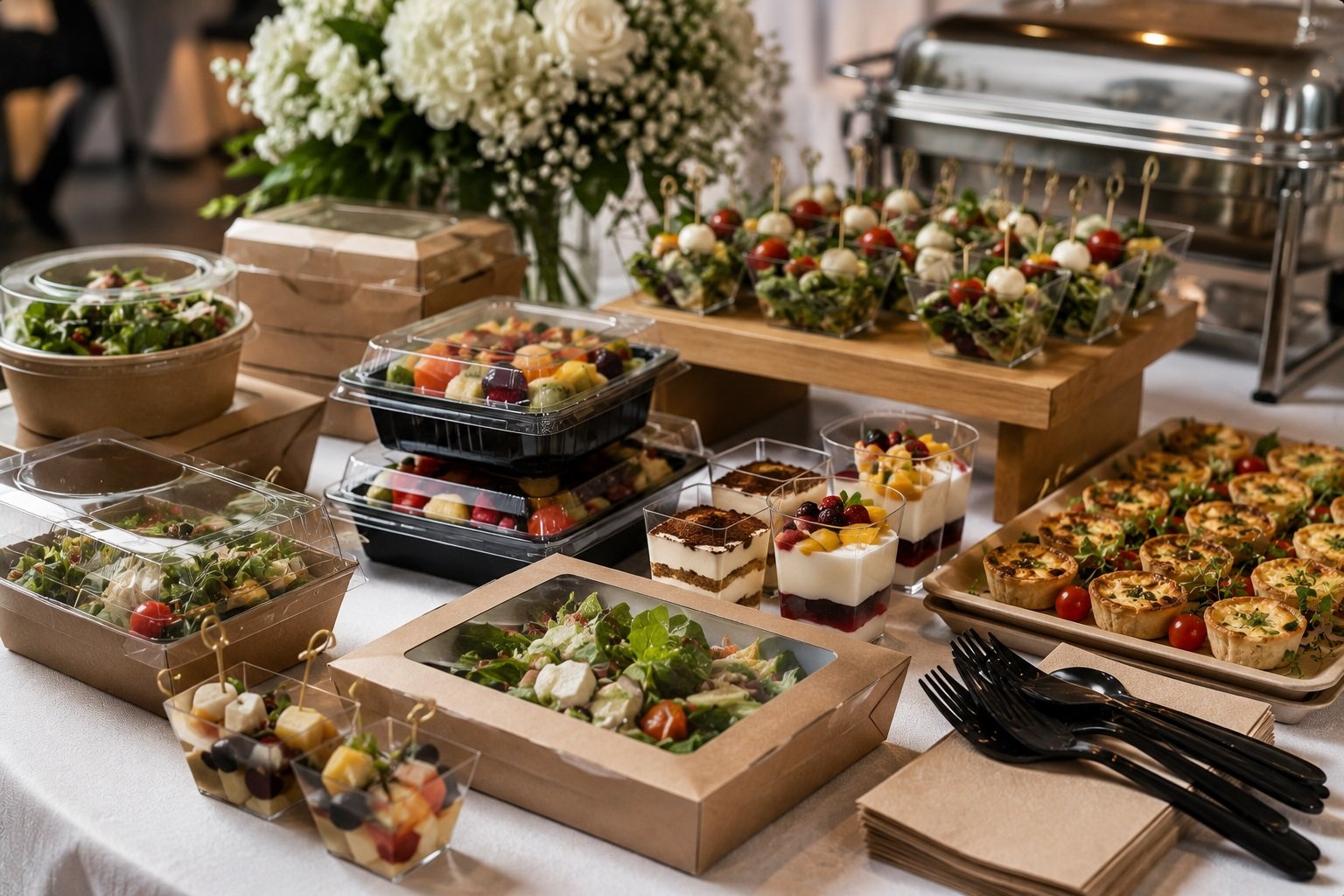
Are Fiber-Based Containers Truly Sustainable? Let’s Unpack the Truth In an era dominated by environmental concerns, businesses, and consumers are turning to more sustainable packaging options. Among these, fiber (biodegradable) containers have gained immense popularity. But the question remains: Are these containers truly as sustainable as they seem? Let’s look into the traits, advantages, and disadvantages of fiber-based containers to know their true effect on the environment. The Emergence of Fiber-Based Containers Eco-friendly packaging alternatives come in fiber containers, which consist of natural materials from wood pulp, bamboo, or agricultural by-products. Their biodegradable and compostable properties create a good reason to replace the long-scorned, traditional plastic packaging, which has been against the environment. As most consumers create a demand for environmentally friendly products, industries such as the food and beverage industry have taken it upon themselves to embrace sustainable food container materials like fiber-based materials. What Makes Fiber Containers Sustainable? This makes fiber containers different from plastic ones, which would take hundreds of years to break down. On the other hand, fiber containers break down in a few months when the conditions are right. Many fiber containers are recyclable, so the material will get a second life instead of being sent to a landfill. This promotes a circular economy, where resources are reused instead of being wasted. The raw materials used to create fiber containers, such as wood pulp or agricultural waste, are renewable. When sourced responsibly, these materials minimize the depletion of natural resources. The production of fiber-based containers generally produces fewer greenhouse gases compared to plastic. When renewable energy is used during the process, it is usually less harmful. In combination, these attributes make fiber containers a potential solution for reducing environmental harm. The Environmental Impact of Fiber Containers However, the sustainability of fiber containers is not without challenges; their benefits are undeniable. It’s essential to examine their full life cycle—from production to disposal—to understand their environmental impact. Sourcing raw materials like wood or bamboo can strain ecosystems if not managed sustainably. Overharvesting forests or monoculture bamboo farming can lead to habitat destruction, soil degradation, and biodiversity loss. Although fiber containers are generally less energy-intensive to produce than plastics, their manufacturing still requires significant energy and water. Employing renewable energy and water recycling systems can mitigate these impacts. While fiber containers are biodegradable, they require specific conditions to break down effectively. Composting facilities are not universally available, and if these containers end up in landfills, they decompose anaerobically, producing methane, a potent greenhouse gas. In addition, contamination from food or liquids can make fiber containers not recyclable, limiting their potential to be reused. Are Fiber-Based Containers a Viable Solution? Fiber containers represent a significant step in reducing the reliance on non-renewable and harmful materials like plastic. However, their sustainability is contingent on several factors. Ensuring that raw materials are harvested sustainably is crucial. To fully leverage the advantages of fiber-based containers, strong composting and recycling systems must be in place. Investments in such infrastructure may improve the performance of biodegradable and compostable packaging. Educating consumers on appropriate disposal methods is essential. For example, communicating to users that some fiber containers are compostable only in industrial facilities can prevent them from being mistakenly thrown into regular trash bins. Advances in material science can improve the functionality of fiber containers while reducing their environmental footprint. For example, creating containers that are both grease-resistant and compostable can increase their usability in various sectors. The Future of Sustainable Packaging Alternatives The increase in demand for alternative eco-friendly packages is where future sustainable packaging can be shaped through fiber-based containers. However, fiber containers don’t cure it all. They need to be combined with other materials in sustainable food containers and must have a major investment in refined waste management systems to make a real positive difference. In addition, businesses need to take a broader view considering the whole lifecycle impact of their packaging. By doing so, they can ensure that their shift to fiber-based containers genuinely contributes to reducing environmental harm. Conclusion Fiber (biodegradable) containers are indeed a promising substitute for traditional plastics. Their characteristics, being recyclable and made from renewable materials, put them in a very competitive position in the struggle against pollution and climate change. Their sustainability, however, will depend on how responsibly they can be sourced, disposed of properly, and further innovated. As we progress, embracing a multi-faceted approach to sustainable packaging alternatives will ensure that fiber containers live up to their potential as eco-friendly solutions.