Blog

Day: January 23, 2025

Are Traditional Plastic Containers Safe for Food Storage?
Traditional Products
admin

Are Traditional Plastic Containers Safe for Food Storage?

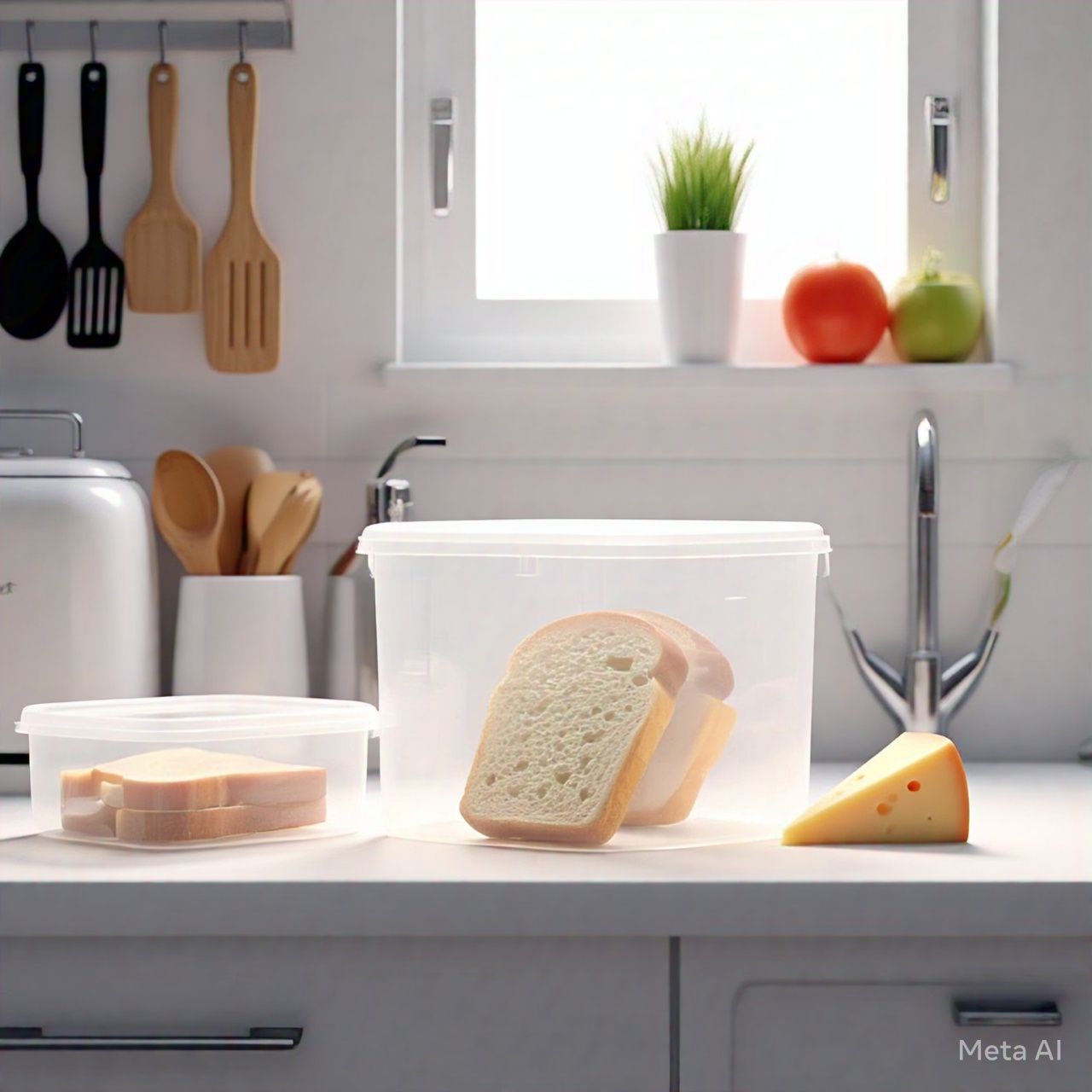
Are Traditional Plastic Containers Safe for Food Storage? Here’s What You Need to Know   Nothing in modern life feels as standard in a home as in a conventional plastic container. Their light weightiness, cheapness, and the ability to be used for virtually anything – from storing leftovers to keeping ingredients for meal preparation – make them seem to be just the thing. However, whether or not it is safe to store food in them has been a nagging worry for many health-conscious people. This blog will discuss the safety of the modern, regular plastic container, including its safety during food storage, food-grade plastic container safety, chemical leaching, and other risks associated with food storage in plastic. The Popularity of Traditional Plastic Containers Regular plastic containers have been popular mostly due to their usefulness as cost savings. Presently, many shapes, sizes, and designs are involved in solving the various storage problems. Even with these conveniences, the question then arises when the container is used for storing food for a prolonged period or under conditions. Understanding Food-Grade Plastic Container Safety The plastic containers are not all the same. There are those that are labeled “food-grade” or “BPA-free,” meaning that they have passed some standards in safety. A food-grade plastic container means that it was manufactured in such a way that it stored the food material without any risk of contamination or danger to health.Consumers are advised to look for food-safe certifications and labels when purchasing plastic containers. These labels often indicate that the product is free from harmful chemicals, such as Bisphenol A (BPA), which can leach into food and beverages under certain conditions. The Risks of Chemical Leaching in Plastic Containers One of the most significant concerns about traditional plastics containers are just potential conduits of chemical leaching. Certain plastics transfer toxins to food within them when high heat, such as that of a microwave or very hot liquid, is finally applied. Chemical leaching occurs in this manner.Chemical leaching is important mostly when acidic or fatty foods are stored, as this could even speed up the release of harmful substances. These types of containers are also more susceptible to leaching chemicals-the older or damaged ones, thus making it imperative to change them from time to time. Health Risks of Plastic Food Storage The health risks associated with plastic food storage largely stem from the chemicals that can leach into food and beverages. Prolonged exposure to these chemicals has been linked to a variety of health issues, including endocrine disruption, cancer risks, reproductive health issues, and immune system impairment.Endocrine disruptors, for instance, are such chemicals like BPA that may affect the hormonal balance in the human body and therefore could lead to problems in development, reproduction, and the brain. Some chemicals, such as styrene used in plastics, can increase cancer. Phthalates, often present in traditional plastic containers, have been linked to reduced fertility and other reproductive health concerns. Certain plastic additives can also impact the immune system, making the body more susceptible to illnesses. Safe Materials for Food Packaging For those wanting to reduce their risk of health risks, there are alternative safe food packaging and storage materials which can be considered instead of using the traditional plastic containers. The use of glass containers is considered as one of the best since it is hardy, non-reactive, and very easy to clean. Stainless steel containers are lightweight and long-lasting, ideal for both hot and cold foods. Food-grade silicone is a flexible and heat-resistant material that is free from harmful chemicals. Container made of food-safe grade material would allow for safe storage of food and liquids. BPA-free plastic storage options minimize the risks associated with traditional plastic but maintain the convenience. As one selects any storage material, one should ensure it is food-safe and for the desired use. Tips for Using Plastic Containers Safely If you decide to use traditional plastic containers, there are steps you can take to minimize potential health risks. Avoid heating plastic containers unless they are explicitly labeled as microwave-safe, and discard any containers that are cracked, scratched, or discolored, as these are more likely to leach chemicals. Always check labels for food-grade or BPA-free certifications and consider using plastic containers for short-term storage rather than long-term use. Additionally, avoid storing acidic or oily foods in plastic containers, as these can accelerate chemical leaching. Conclusion Plastic containers are such a big source of convenience as their use ranges from bottled water to takeaways, consumed or might still be processors of chemical leaching making informed choices for the preservation of one’s health. Whether you’re storing leftovers or prepping meals, prioritizing safe materials for food packaging is a step toward a healthier lifestyle.  

Are Fiber-Based Containers Truly Sustainable?
Fiber-Based Containers
admin

Are Fiber-Based Containers Truly Sustainable?

Are Fiber-Based Containers Truly Sustainable? Let’s Unpack the Truth In an era dominated by environmental concerns, businesses, and consumers are turning to more sustainable packaging options. Among these, fiber (biodegradable) containers have gained immense popularity. But the question remains: Are these containers truly as sustainable as they seem? Let’s look into the traits, advantages, and disadvantages of fiber-based containers to know their true effect on the environment. The Emergence of Fiber-Based Containers Eco-friendly packaging alternatives come in fiber containers, which consist of natural materials from wood pulp, bamboo, or agricultural by-products. Their biodegradable and compostable properties create a good reason to replace the long-scorned, traditional plastic packaging, which has been against the environment. As most consumers create a demand for environmentally friendly products, industries such as the food and beverage industry have taken it upon themselves to embrace sustainable food container materials like fiber-based materials. What Makes Fiber Containers Sustainable? This makes fiber containers different from plastic ones, which would take hundreds of years to break down. On the other hand, fiber containers break down in a few months when the conditions are right. Many fiber containers are recyclable, so the material will get a second life instead of being sent to a landfill. This promotes a circular economy, where resources are reused instead of being wasted. The raw materials used to create fiber containers, such as wood pulp or agricultural waste, are renewable. When sourced responsibly, these materials minimize the depletion of natural resources. The production of fiber-based containers generally produces fewer greenhouse gases compared to plastic. When renewable energy is used during the process, it is usually less harmful. In combination, these attributes make fiber containers a potential solution for reducing environmental harm. The Environmental Impact of Fiber Containers However, the sustainability of fiber containers is not without challenges; their benefits are undeniable. It’s essential to examine their full life cycle—from production to disposal—to understand their environmental impact. Sourcing raw materials like wood or bamboo can strain ecosystems if not managed sustainably. Overharvesting forests or monoculture bamboo farming can lead to habitat destruction, soil degradation, and biodiversity loss. Although fiber containers are generally less energy-intensive to produce than plastics, their manufacturing still requires significant energy and water. Employing renewable energy and water recycling systems can mitigate these impacts. While fiber containers are biodegradable, they require specific conditions to break down effectively. Composting facilities are not universally available, and if these containers end up in landfills, they decompose anaerobically, producing methane, a potent greenhouse gas. In addition, contamination from food or liquids can make fiber containers not recyclable, limiting their potential to be reused. Are Fiber-Based Containers a Viable Solution? Fiber containers represent a significant step in reducing the reliance on non-renewable and harmful materials like plastic. However, their sustainability is contingent on several factors. Ensuring that raw materials are harvested sustainably is crucial. To fully leverage the advantages of fiber-based containers, strong composting and recycling systems must be in place. Investments in such infrastructure may improve the performance of biodegradable and compostable packaging. Educating consumers on appropriate disposal methods is essential. For example, communicating to users that some fiber containers are compostable only in industrial facilities can prevent them from being mistakenly thrown into regular trash bins. Advances in material science can improve the functionality of fiber containers while reducing their environmental footprint. For example, creating containers that are both grease-resistant and compostable can increase their usability in various sectors. The Future of Sustainable Packaging Alternatives The increase in demand for alternative eco-friendly packages is where future sustainable packaging can be shaped through fiber-based containers. However, fiber containers don’t cure it all. They need to be combined with other materials in sustainable food containers and must have a major investment in refined waste management systems to make a real positive difference. In addition, businesses need to take a broader view considering the whole lifecycle impact of their packaging. By doing so, they can ensure that their shift to fiber-based containers genuinely contributes to reducing environmental harm. Conclusion Fiber (biodegradable) containers are indeed a promising substitute for traditional plastics. Their characteristics, being recyclable and made from renewable materials, put them in a very competitive position in the struggle against pollution and climate change. Their sustainability, however, will depend on how responsibly they can be sourced, disposed of properly, and further innovated. As we progress, embracing a multi-faceted approach to sustainable packaging alternatives will ensure that fiber containers live up to their potential as eco-friendly solutions.