
Zero-Waste Packaging: Is Recycled Paper the Future of E-Commerce?
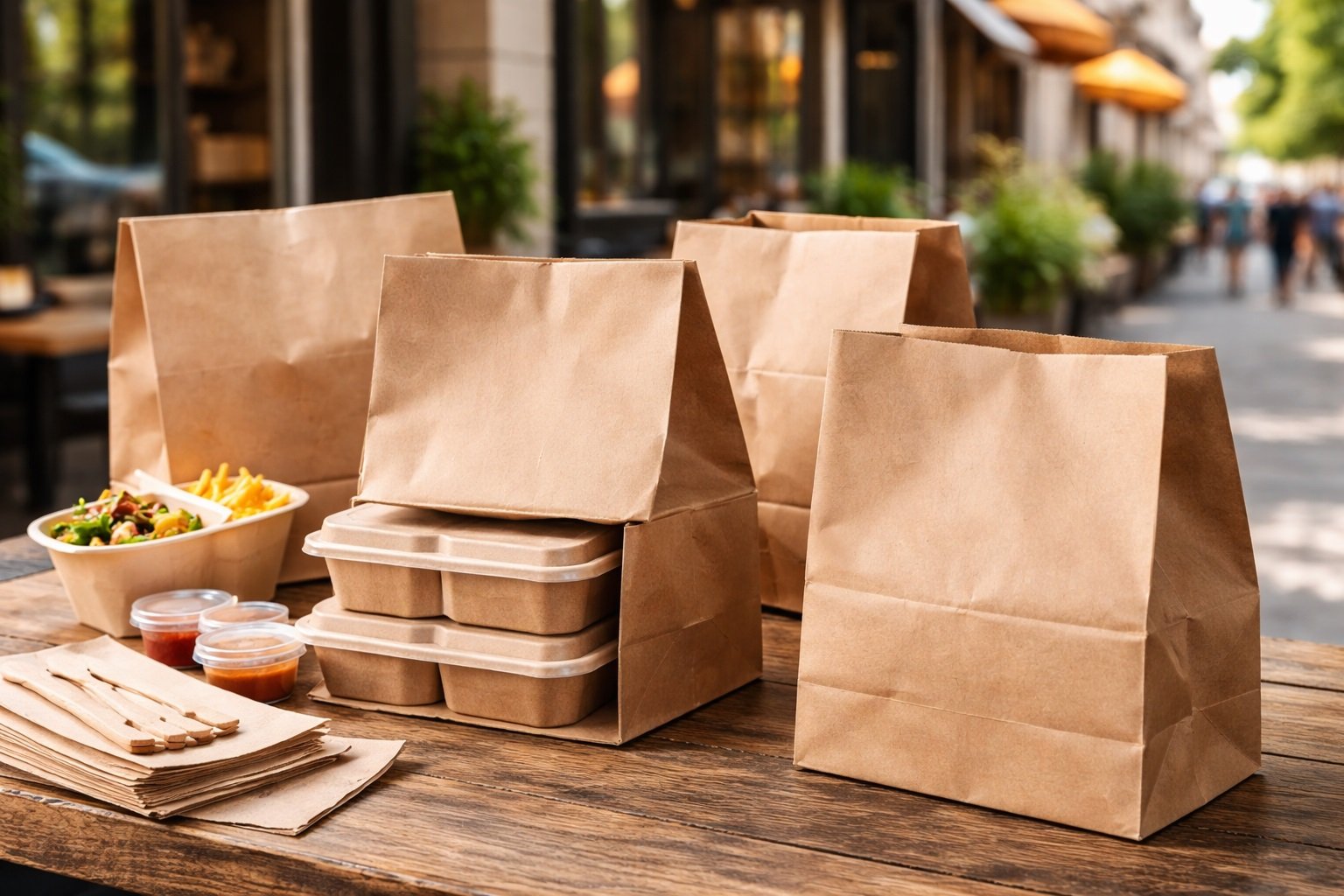
Zero waste packaging is a game-changing substitute that prioritizes the benefit to the environment. It uses materials that we can easily eliminate or repurpose to avoid waste generation. One such use is the recycling paper, plant-based plastics, and reusable containers. They craft these items with mindfulness of the ecological footprint throughout their lifecycles. Eco-conscious individuals around the world are advocating for the normalization of green packaging alternatives. Among the many solutions, paper packaging stands above for its versatility and biodegradability. What Makes Packaging Zero-Waste? They design and use the zero-waste packaging materials in a way that allows no possibility of residuals during their lifecycle. People can easily reuse, organically decompose, and reborn items through recycling. They carry out these efforts to divert waste from ending up in landfills and prevent pollution. How to Identify Zero-Waste Packaging? Second Life Resources The packaging originates from the discarded end-user products, like recycling paper, cardboard, glass, or metal. Existing waste systems should reprocess the items into new forms conveniently. Biodegradable Components They can break down naturally or otherwise into non-toxic components and can return the nutrients to the soil. Durable Factors The items are built for maximum longevity and multiple usages before their final disposal and material recovery. Uncluttered Design It skips the many layers or fillers and focuses on using the least amount of packaging materials. In turn, the transportation weight gets reduced, and the carbon footprint can be lowered. Alternative to Plastic The zero-waste packaging does not believe in plastics. Instead, sustainable alternatives like bamboo, kraft paper, and bioplastics are considered more appropriate. What are the Different Packaging Essentials? Recycling Paper and Cardboard The cardboard and paper packaging are often certified for responsible forest management. This is a great initiative for saving the forests and related ecosystems. Corrugated Fiberboards Kraft papers do not weigh much but are extremely strong. They are made from rapidly regrowing wood pulp. Fungal-based Packaging Fungal roots and agricultural wastes are the source of such e-commerce packaging. A typical example is mushroom packaging, which serves as a protective insert, replacing the Styrofoam. Compostable Bioplastics Bioplastics are a type of sustainable plastic made from biological sources. These elements include cornstarch, potatoes, sugarcane, as well as algae. Plant-based Mailers They refer to packaging envelopes and bags that e-commerce sellers use for shipping. The delivery normally includes soft merchandise like clothes, accessories, books, or documents. The mailers can safely break down into organic matter, leaving behind zero waste. Reusable Fabric Solutions Fabric wraps and textile bags are a common example of zero-waste packaging solutions. They develop these alternatives from cloth or fibrous materials like organic cotton, jute, hemp, and recycled polyester. Rigid Containers Glass and aluminum containers are an e-commerce favorite for transporting food, cosmetics, and personal care items. They are known for their premium quality, durability, and infinite recyclability. It is an elegant and reusable solution to retain the product’s integrity. The Sustainable Tapes Paper tapes and water-activated tapes are an eco-friendly alternative to seal the boxes. They are laced with pressure-sensitive adhesives and do not require water, heat, or solvents. Natural Cushioning Shredded recycling paper, cornstarch, peanuts, and molded pulp are among the few natural void fillers. They are a non-plastic padding that serves as protection for products during shipment. Why Zero-Waste Packaging Matters to E-Commerce? Sustains the Health of the Environment The zero-waste packaging narrows down the residuals that end up in dumps. The recycling procedures save up to sixty percent of the resources compared to first-time manufacturing. Such practices control environmental pollution and unnecessary resource utilization. Public and their Perception Modern consumers have become more aware of the threats of non-sustainable practices. Their advocacy has prompted many businesses to undertake strategies that have a low ecological impact. The organizations, on the other hand, see this as a promotional incentive. They aim to enhance their brand image, attract the ambassadors of sustainability, and improve customer loyalty. Integration of a Circular Economy The circular economy is a model that abhors the production, consumption, and disposal approach. This economic model is based on reducing waste, reusing resources, and recycling items as long as their life can handle. Hence, it focuses on production, consumption, reuse, and recovery. At its core, the circular economy ensures a smooth flow of materials without any loops and minimal loss. Adherence to Global Policies Many countries are adopting the zero-waste methods of packaging. The firms can stay compliant with the strict regulations and be a step ahead in the future. An Inclusive Packaging Solution for Every Customer Here, at American Eagle Paper Company Inc. turn your business dreams into reality with our high-quality materials. Our expert solutions ensure that your products stand out and your brand seeks new heights. We cater to a wide customer base, from markets to eateries to hotels. Our comprehensive services include product packaging, custom designs, eco-friendly options, and janitorial services.