Blog

Day: October 18, 2025

Eco-Friendly Catering Products from Philadelphia’s Trusted Packaging Companies
Business
ahmer

Eco-Friendly Catering Products from Philadelphia’s Trusted Packaging Companies

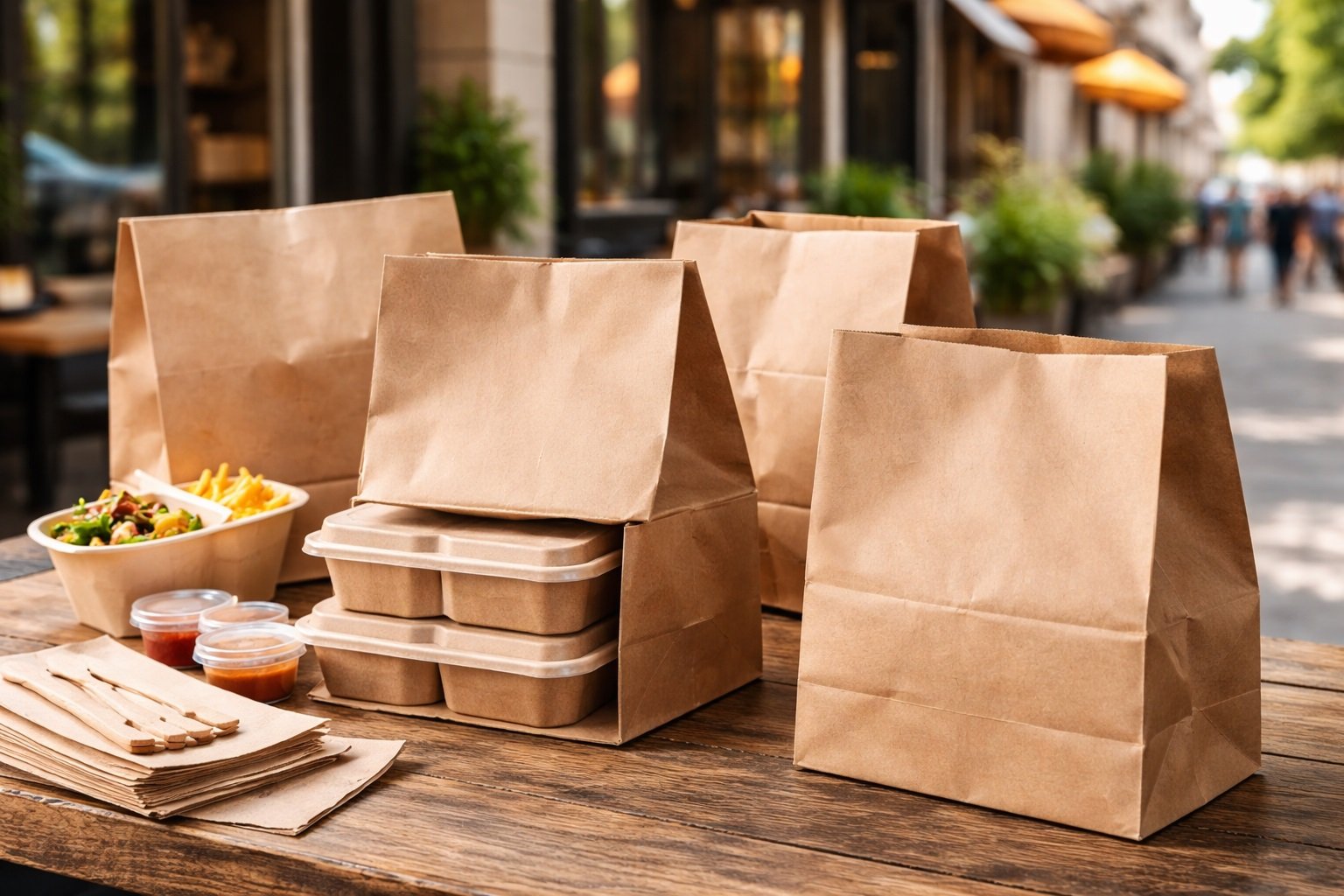
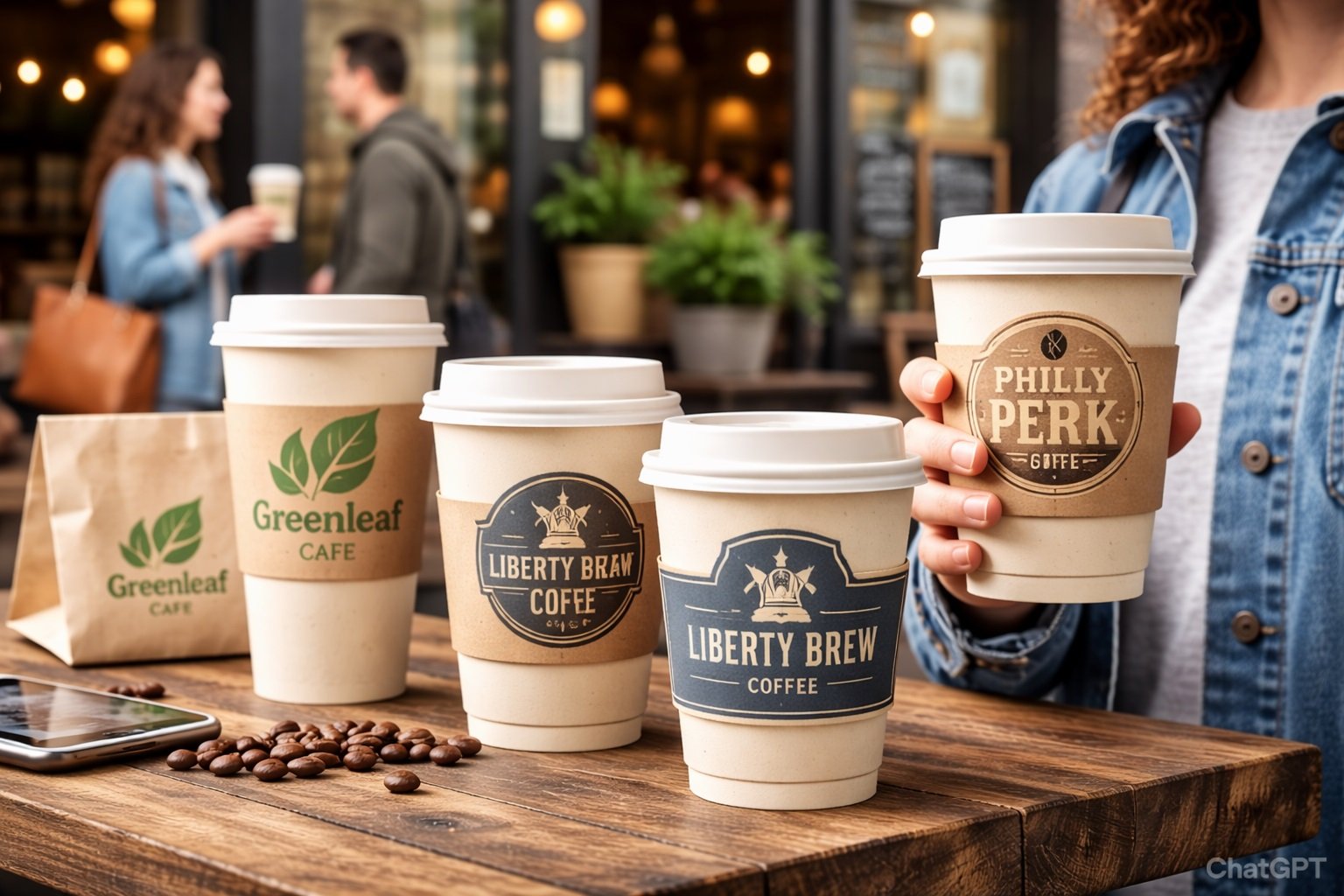
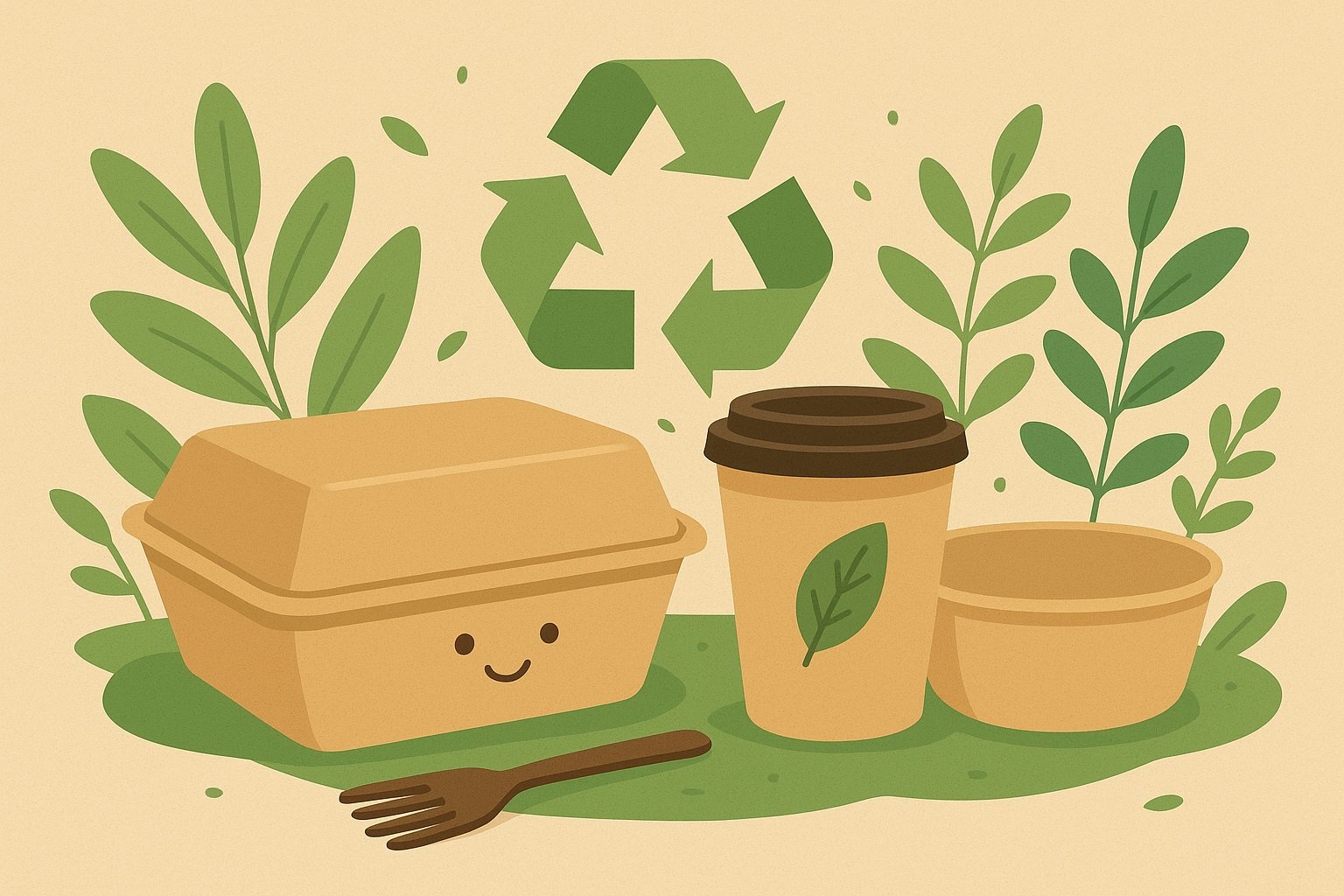
In an era of environmental responsibility, eco-friendly catering products have taken center stage. They are modern choices that are redefining how food is presented, served, and enjoyed. As sustainability becomes an increasing priority for customers, the caterers and curators are seeking Philadelphia packaging companies that blend innovation with responsibility. Notably, the solutions of the leading firms not only protect the planet but are also uncompromised in their quality and function. These forward-thinking designs include biodegradable cutlery, compostable plates, and recyclable cups. Plant-based containers and water-based inks are also examples, which keep the food safe and fresh. They are produced in reusable systems and ethical practices that aim to lower the environmental footprint. What are Eco-Friendly Catering Products? People commonly believe that a green mark indicates the catering product is environmentally friendly. However, this is not the case. The following are some attributes that help in minimizing the environmental impact in their own stages: Manufacturing The production of eco-friendly catering products avoids the use of finite fossil fuels. Instead, it depends on rapidly renewable materials like: Designing The catering products are designed in a way that they can be easily: Resource-Efficiency Through water, energy, and chemical conservation, the mills actively work toward decreasing carbon emissions from production. They also avoid incorporating toxic coatings, heavy inks, and other substances that can affect the composting and recycling systems. Furthermore, Philadelphia packaging companies opt for products that use fewer materials per serving, reducing both waste output and resources required for transportation. Why are Sustainable Catering Products Beneficial? Limits Environmental Effects Plastic packaging made from traditional materials decomposes over a course of hundreds of years, and often ends up in oceans or landfills. This is why sustainable catering products have been introduced. Since they are made from renewable or compostable materials, they can easily break down within a few weeks. The biodegradable and compostable alternative creates opportunities to mitigate plastic pollution, lower carbon emissions, and reduce waste generation. Supports Circular Practices The green catering products are based on a circular economy, which holds the principle of collecting used materials and returning them to nature or recycling them into new products. For instance, the facilities process compostable trays and cups into nutrient-rich soil rather than disposing of them as trash. This mindset lessens the reliance on virgin resources, fostering a continuous cycle of creation, reuse, and renewal. Responds to Market Preferences The modern event guests, corporate clients, and everyday diners have become more eco-conscious than ever. They support those brands that integrate environmental values in their operations. Follows Environmental Standards Single-use plastics have been banned in many regions. The caterers have to choose an eco-conscious approach to remain compliant with regulations. They do so to avoid fines and costly last-minute changes to their plans. They also form partnerships with Philadelphia packaging companies to meet the region-specific standards of composability and recyclability. In this way, their business can ensure accountability and position itself for long-term success. Promotes Brand Identity and Commitment Clients do not see plant-based utensils, wooden cutlery, and recyclable holders as just modern alternatives. Instead, such efforts communicate integrity and genuine care for customers and the climate. These measures turn everyday meals into a statement of purpose that customers associate with quality, ethics, and progress. Catalyzes Industrial Change Sustainability creates a rippling effect within industries. Once caterers start choosing the greener alternatives, suppliers, venues, and planners all follow suit. As a result, this influence stimulates demand for high-performance materials, advanced technologies, and efficient waste management systems that work together for a cleaner tomorrow. What are the Common Earth-Friendly Catering Products? Trays and Clamshells Molded-fiber trays and clamshell catering products are known for their heat-resistant and compostable capabilities. They get their strength from bagasse, wheat straw, or recycled paper. Plates and Bowls These sturdy articles are made from palm leaves and bamboo, which gives them a visually distinctive edge.  Cutlery and Cups The ingredient plant starch is ideal for cold items; however, the heat consistency of such catering products varies. Containers Bagasse-based containers embedded with separator layers and compost labels are suitable for hot foods.  Other Catering Products How are Philadelphia Packaging Companies Innovating? An Eco-Friendly Philadelphia Packaging Company If you are seeking catering products that benefit your offerings, customers, and the environment, American Eagle Paper Company Inc. is the right choice for you. Our comprehensive services include product packaging, custom designs, and janitorial services that contribute to a positive impact in their own way.

Inside a Leading Paper Mill in Philadelphia
Uncategorized
ahmer

Inside a Leading Paper Mill in Philadelphia: What Sets Us Apart in Packaging

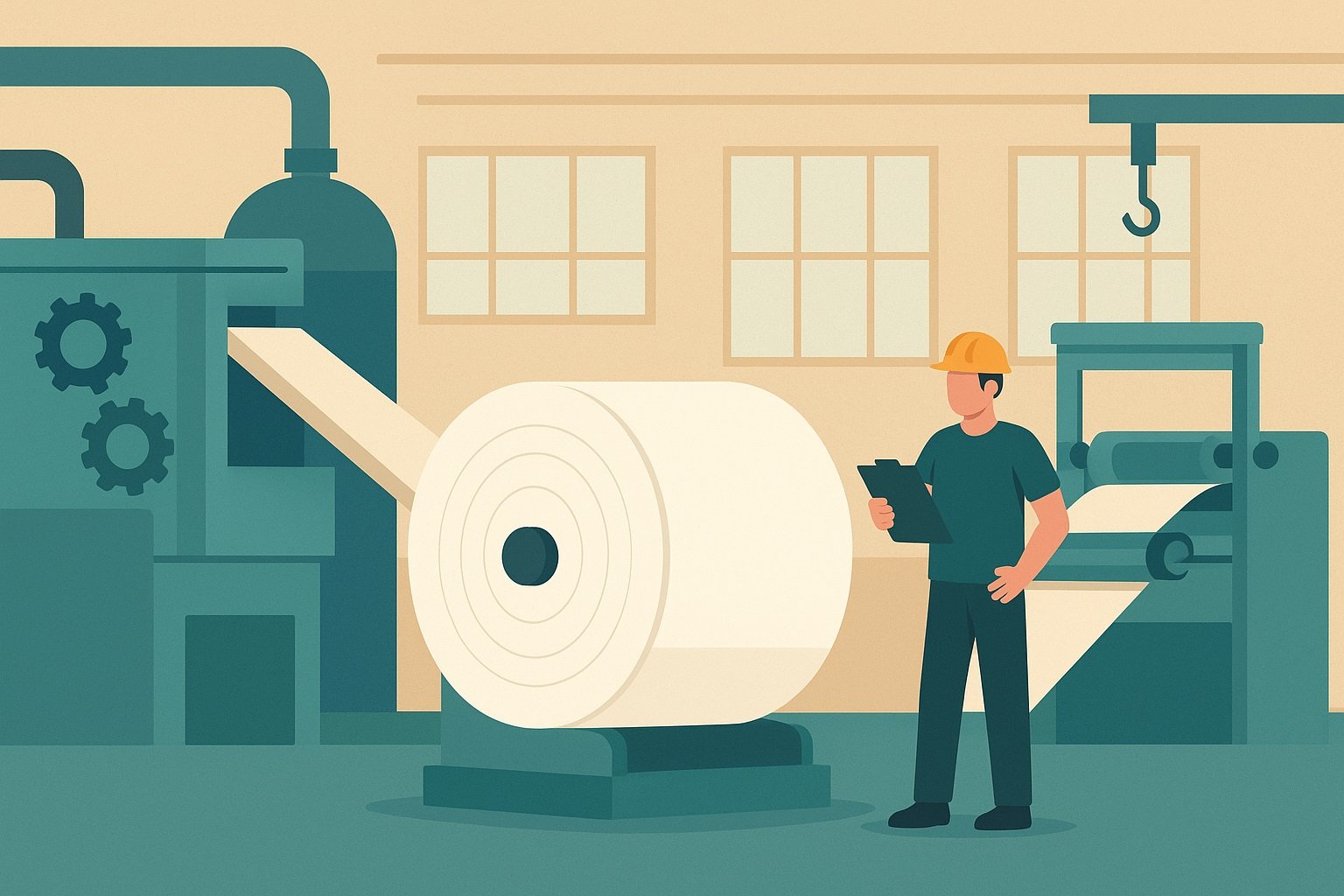
With the passage of time and shifts in trends, the operations and goals of the every paper mill in Philadelphia has changed considerably. They have converted into a specialized industry that now promotes resource efficiency and waste reduction. Supporting such efforts, the top packaging companies in Philadelphia have strengthened their presence in the global economy with their transition towards a greener tomorrow. Hence, together, the two are creating practical yet groundbreaking solutions, showing that even the simplest materials can have a significant impact. How to Identify a Paper Mill Philadelphia? Quality and Variety The leading paper mills Philadelphia specializes in producing a wide spectrum of paper grades used in printing, writing, and packaging. The products are recognized for their consistency, reliability, and versatility. Technological Expertise The advanced manufacturing machinery and chemical processes convert raw materials, such as wood pulp, fiber, and other cellulose-based inputs, into paper with ease. Demand-Based Solutions The paper mills, along with the top packaging company in Philadelphia, strive to meet the demands of their client base. They work closely with owners to develop customized packaging, publishing, or industrial solutions, rather than just standard grades. What is the Market Focus of Paper Mill Philadelphia? Packaging Industry Most of the leading paper mills Philadelphia pursue a specific line of production. Some may focus on folded cartons, corrugated liners, grease-resistant food wraps, or the sort. Printing and Publishing On the other hand, the rest provide premium quality paper for books, magazines, newspapers, and other commercial print requirements. Global and Regional Presence The leading paper mills Philadelphia strives to expand their operations globally and maintain a strong presence while catering to regional audiences. Green Initiatives Since the target market of both businesses and consumers has become environmentally conscious, the paper mills Philadelphia are adopting responsible and recyclable strategies. Innovative Applications The mills and the top packaging companies in Philadelphia are constantly seeking ways to develop new paper grades. The innovations include coatings and treatments that can enhance shelf-life, functionality, and aesthetics. They also aim to automate their production line to improve their efficiency. What are the Inputs and Sources of Paper Mill Philadelphia? Virgin Fiber The soft and hardwood are pulped and blended with other sources to reach a specific tensile strength and folding endurance or stiffness.  Recyclable Fiber Some paper mills Philadelphia opt for recyclable fiber, which is basically post-consumer and post-industrial waste. It is either used as an alternative or combined with virgin fiber. Additives Fillers, sizing agents, wet-resistant resins, and barrier coatings are chosen to achieve the desired properties of resistance to grease and moisture, as well as print quality. Certifications Reputable mills always source their requirements from certified forests. They also have to maintain a documentation of custody for traceability. Such measures safeguard the organization from potential reputational and compliance risks. How does the Paper Mill Philadelphia Operate? Preparation and Pulping The paper mill Philadelphia, depending on the client’s specifications, chooses a method. It can be mechanical pulping, chemical pulping, or the recycled fiber process. Each of them has its own costs and grants different strengths to the products. Nonetheless, the wood chips, recovered paper, or value-added pulp and additives are fed into an automated pulper to get a targeted yet refined fiber texture. They evaluate the fiber for its size, drainage rate, and consistency. If the requirement is for white colored or printable paper, they bleach the fiber. Furthermore, to attain a smooth surface and firm bonding quality, they refine the material.  Formation and Drying A wet web is created using a vacuum system, pressed to remove excess water, and left to dry to gain a targeted moisture content. However, precision is critical here, as this step controls the sheet weight distribution and surface properties of the sheet. Treatment and Coating They apply a single or multiple layers of coatings to packaging products demanded for superior print qualities or enhanced barrier protection. The manufacturers integrate the coating lines with pigments, chemistries, and modifying agents to produce such high-performance packaging. The surface treatments can be: Inline or Offline: Manufacturers apply inline coating directly on the paper while they are still producing it, commonly during the stages of formation and drying. Whereas, they apply offline films after they have fully manufactured the paper or board. Lamination and Extrusion:  Lamination is the bonding of single or multiple layers of plastic film, foil, or paper to a surface to enhance its properties. Extrusion is the process of attaching molten plastic or other forms of polymer directly to the product for a continuous and durable layer. Finishing and Converting: Every top packaging company in Philadelphia transforms the products into sheets, reels, or rolls as per requirement. The material may be: A Commendable Top Packaging Company in Philadelphia The goal of American Eagle Paper Company Inc. is to provide high-quality products and services for your business to grow and thrive. Our practices are eco-friendly, and we tailor our solutions to meet your demands.