Blog

Day: January 8, 2026

Food Truck Supplies
Green Packaging
ahmer

Are Your Philly Food Truck Supplies Ready for 2026? Eco-Friendly Packaging Requirements for Philadelphia Street Vendors

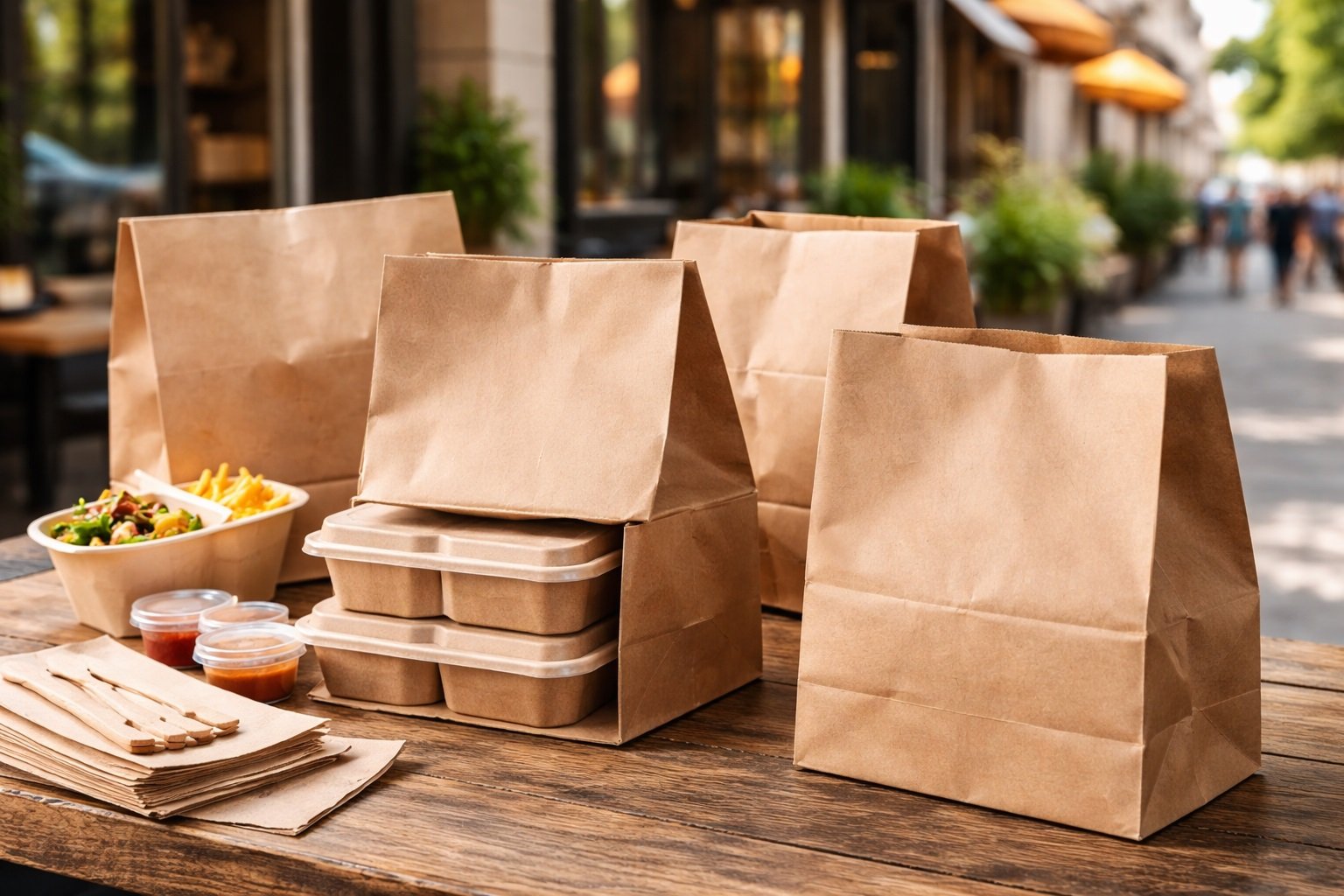
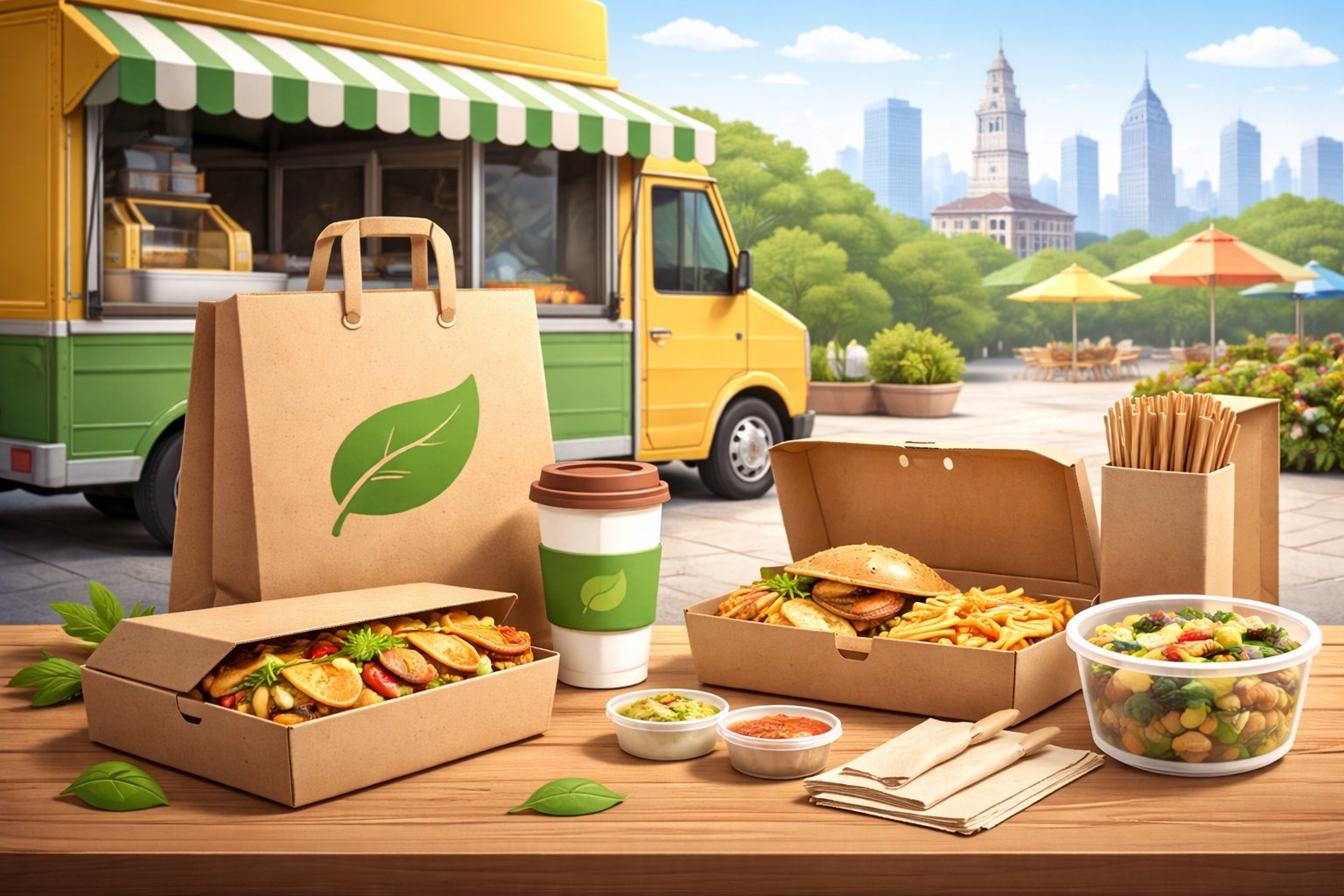
Philadelphia food truck scene has changed immensely over the years. Philadelphia food truck supplies are becoming greener, and the focus is on eco-friendly food packaging PA. Whether you are getting the slinging tacos from Love Park or cheesesteaks in University City, compostable containers Philadelphia are the new wave. With 2026 knocking, and the city is cranking up the heat on going green. We’re talking real sustainability pushes that hit right in the takeout bags and containers. Remember that plastic bag ban that’s been around for a few years? It’s still in full swing, and with customer vibes shifting hard toward eco-conscious eats, your food truck could get a boost. Or a headache, if you’re not prepped. In that case, here is a breakdown of the local expectations and hook you up with solid options from Philadelphia food truck supplies that keep you compliant and crushing it. Philadelphia Food Truck Supplies: Navigating the Green Wave in 2026 Philly’s food truck scene is legendary. Hundreds of trucks rolling from the bustling spots at Love Park (where the LOVE statue draws crowds daily) to the college vibes in University City around UPenn and Drexel. It’s a massive operation, feeding thousands on the go. But with the city’s Zero Waste goals and ongoing plastic reduction initiatives, 2026 is all about ditching the old single-use plastics for good. That plastic bag ban? Still banning all single-use plastic bags at retail, including food trucks and vendors. No more handing out those flimsy ones; fines add up quick if you’re caught. And paper bags meet recycled content rules, or they’re out too. The push comes from broader sustainability efforts: reducing litter in our streets and waterways. This helps cutting down on the billion-plus bags Philadelphians used to toss yearly. Local food truck goods suppliers in Philadelphia like American Eagle Paper are stocking up on compliant gear tailored for mobile setups. They are lightweight, durable stuff that handles greasy fries without leaking or falling apart in the rain. Eco-Friendly Food Packaging PA: Why Compostables Are the Move Let’s get real on the tech side, eco-friendly food packaging, PA style, isn’t just hype; it’s built to handle our Northeast weather and high-volume service. Traditional Styrofoam or plastic clamshells? They’re out in many spots, and even where not banned yet, they’re trash magnets. Enter compostable containers: made from plant-based stuff like sugarcane bagasse, bamboo, or PLA (cornstarch-derived). These bad boys break down in commercial composting facilities, Philly’s expanding access to those, turning into soil instead of landfill junk. Technically, they’re tough: heat-resistant up to 200°F for hot foods, grease-proof liners to keep oils from soaking through, and sturdy enough for stacking in your truck’s tight space. The audit vibes from national trends? Food trucks switching see waste drop 20-30%, plus lower disposal costs long-term. In PA, with no statewide foam ban yet, but local pressures mounting, going compostable future-proofs you. Customers notice too, snap a pic of that “100% Compostable” stamp, and your Insta game levels up. Compostable Containers Philadelphia: Stocking Up for the Street Grind Specific recommendations for compostable containers Philadelphia trucks are loving? Bagasse clamshells and trays from lines like Eco-Products or World Centric, three-compartment options for full meals, lids that snap tight for bumpy rides. They’re microwave-safe (handy for reheats), and the natural tan color looks clean without fancy printing costs. Add in bamboo fiber bowls for poke or salads, palm leaf plates for events, they’re waterproof and compost in 90 days. For drinks, swap plastic lids for plant-based ones; straws? Paper or reusable if you’re feeling bold. Wholesale spots in PA make it affordable, bulk orders drop prices 15-20%, and customization lets you print your logo on for branding. Truck owners in spots like University City report fewer complaints about soggy bottoms (thanks to better breathability) and big ups from eco-minded students. Pair it with reusable bag incentives, and you’re golden. Parting Wisdom 2025’s green requirements aren’t a buzzkill. They are your edge in Philly’s packed food truck world. From Philadelphia food truck supplies basics to eco-friendly food packaging PA innovations and compostable containers Philadelphia demands, it’s about staying ahead.

Why Ventilation-Optimized Pizza Boxes are Trending in the Northeast Philadelphia
Pizza Boxes
ahmer

The 2025 Philadelphia ‘Soggy Crust’ Audit: Why Ventilation-Optimized Pizza Boxes are Trending in the Northeast Philadelphia

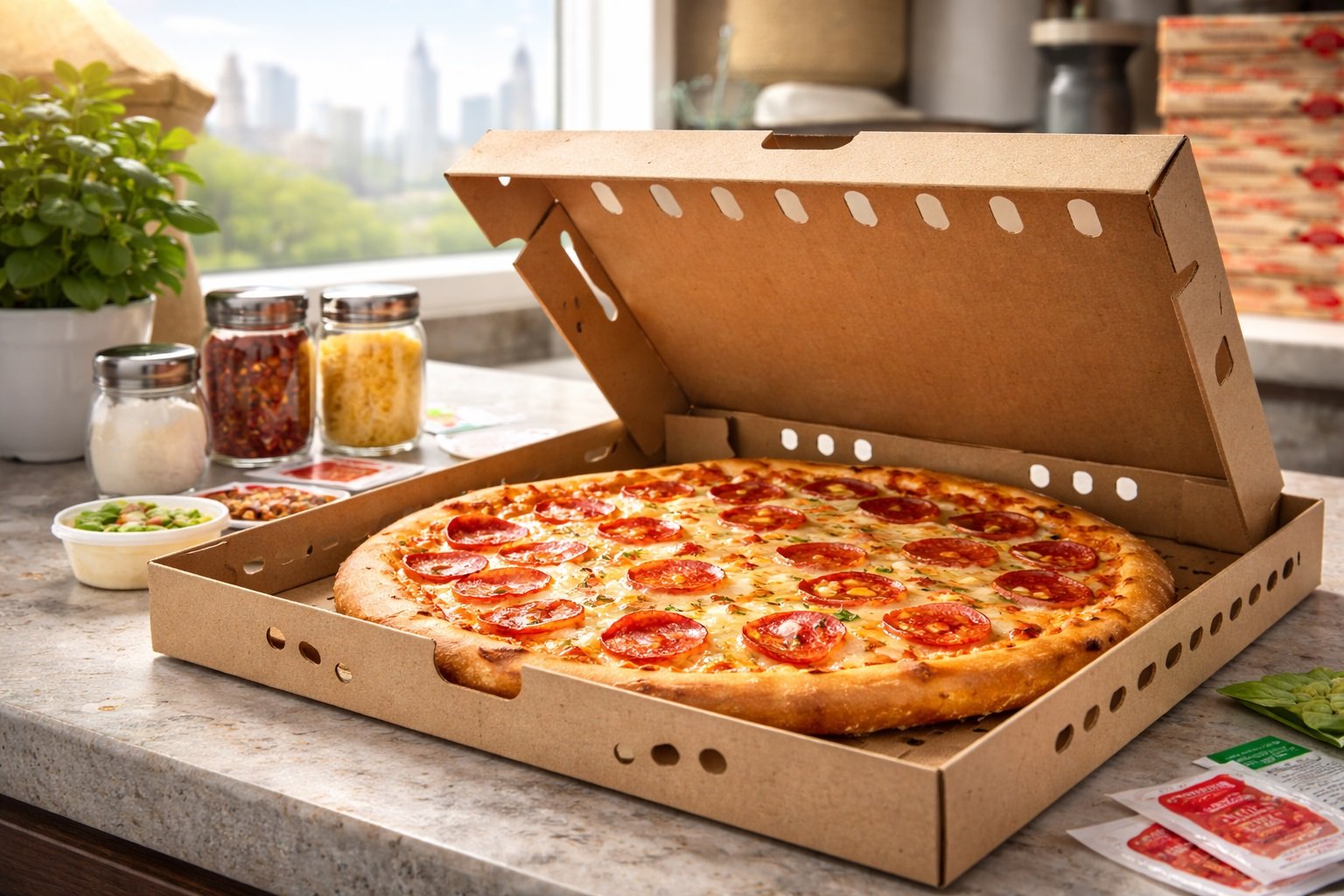
This is my cry for help, our appeal to all Philadelphia pizza box manufacturer to make custom pizza boxes Philly. On a humid Friday night in Philly, you’re craving a slice from your go-to spot down the block. Bam! The delivery guy hands over a box that’s steaming like a sauna. But when you pop it open, that crust? Total mush. We’ve all been there, right? Well, buckle up because the 2025 Philadelphia ‘Soggy Crust’ Audit just dropped some eye-opening stats, and it’s got everyone buzzing about why ventilation-optimized pizza boxes are the unsung heroes saving our pies in the Northeast. Let’s dive in, technically speaking, of course, on how these boxes are flipping the script for local pizzerias. Philadelphia Pizza Box Manufacturer Tackles Humidity Head-On You know Philly’s got pizza joints on practically every corner. Over 1,200 delivery-heavy spots are crammed into this city alone, making it one of the densest pizza markets in the country. That’s a lot of hot pies zipping through traffic on bikes and in cars, especially in a region where humidity levels spike to 70-80% during those sticky summer months. The audit, conducted by a coalition of local restaurant owners and food scientists, audited over 500 deliveries and found that 62% of standard pizza boxes led to noticeable crust degradation within 20 minutes of boxing. Why? You know it’s all about the science of steam. When a fresh pizza comes out of the oven at around 450°F, it has loads of moisture because of cheese, bread, sauce, and toppings. In a sealed box, that steam has nowhere to go, it condenses back onto the crust, breaking down the starches and turning your crispy base into a chewy sponge. Northeast weather amps this up; our high relative humidity means the air inside the box saturates faster, accelerating condensation. Now, if you look at the Philadelphia pizza box manufacturer scene, where innovators like American Eagle Paper innovating designs that preserve all the goodness of bread, sauce, and cheese. Their ventilation-optimized designs aren’t just holes punched willy-nilly; they’re strategically placed vents. Think of these as laser-cut perforations along the lid and sides that allow steam to escape without letting in too much cool air. This creates a micro-climate inside the box: hot enough to keep the cheese melty (around 140-160°F), but ventilated to reduce humidity buildup by up to 40%, per the audit’s tests. Local shop owners are raving because it means fewer complaints and repeat customers who actually get what they ordered, a pie that tastes oven-fresh, not microwave-reheated. Custom Pizza Boxes Philly for Crust Integrity Alright, let’s geek out a bit more on the tech side because this is where it gets fun. Custom pizza boxes, Philly style, from American Eagle aren’t your usual cardboard. They are built with food-grade corrugated paper that’s treated for moisture resistance. The key? A multi-layer structure: an outer layer for durability during bumpy deliveries, a middle fluting that acts like insulation, and an inner liner with hydrophobic coatings that repel water droplets. But the real magic is in the ventilation system. Traditional boxes might have a couple of random slits, but these optimized ones use computational fluid dynamics (yeah, the same tech used in airplane design) to model airflow. Vents are positioned at angles, let’s say, 45 degrees on the lid to promote convection currents that whisk away steam while minimizing heat loss. The audit clocked this setup preserving crust crispiness for up to 45 minutes in humid conditions, compared to just 15-20 minutes in standard boxes. For Philly’s delivery pros, who average 5-7 miles per run in stop-and-go traffic, that’s a game-changer. No more “soggy delivery” refunds eating into profits. Wholesale Restaurant Supplies PA With Their Ventilation Solutions Now, if you’re running a pizzeria or even a chain across Pennsylvania, you’re probably thinking wholesale. Wholesale restaurant supplies PA providers like American Eagle make it easy to bulk up on these ventilation-optimized boxes without breaking the bank. The audit highlighted how switching to these can cut operational losses by 15-20%, mainly from reduced remakes and better reviews on apps like DoorDash. Technically, the boxes use eco-friendly materials, recycled kraft paper with soy-based inks that hold up in PA’s variable weather, from humid summers to rainy springs. The ventilation isn’t a one-size-fits-all. The options include adjustable flaps or even smart inserts with phase-change materials that absorb excess heat and release it slowly. The design genius maintains that ideal 120-140°F internal temp. In tests, this tech reduced sogginess by countering the Northeast’s ambient humidity, which can add 10-15 grams of water vapor per box if unchecked. Parting Thoughts The 2025 Soggy Crust Audit isn’t just data; it’s a wake-up call for Northeast pizzerias to embrace ventilation-optimized boxes. From the Philadelphia pizza box manufacturer innovations to custom pizza boxes, Philly demands, and wholesale restaurant supplies, PA scalability; it has been all about that technical edge against humidity all along. Next time your delivery shows up crisp, thank the vents.