
Sustainable Sanitation: Why Philly Schools and Offices are Switching to Bulk Eco-Friendly Janitorial Supplies
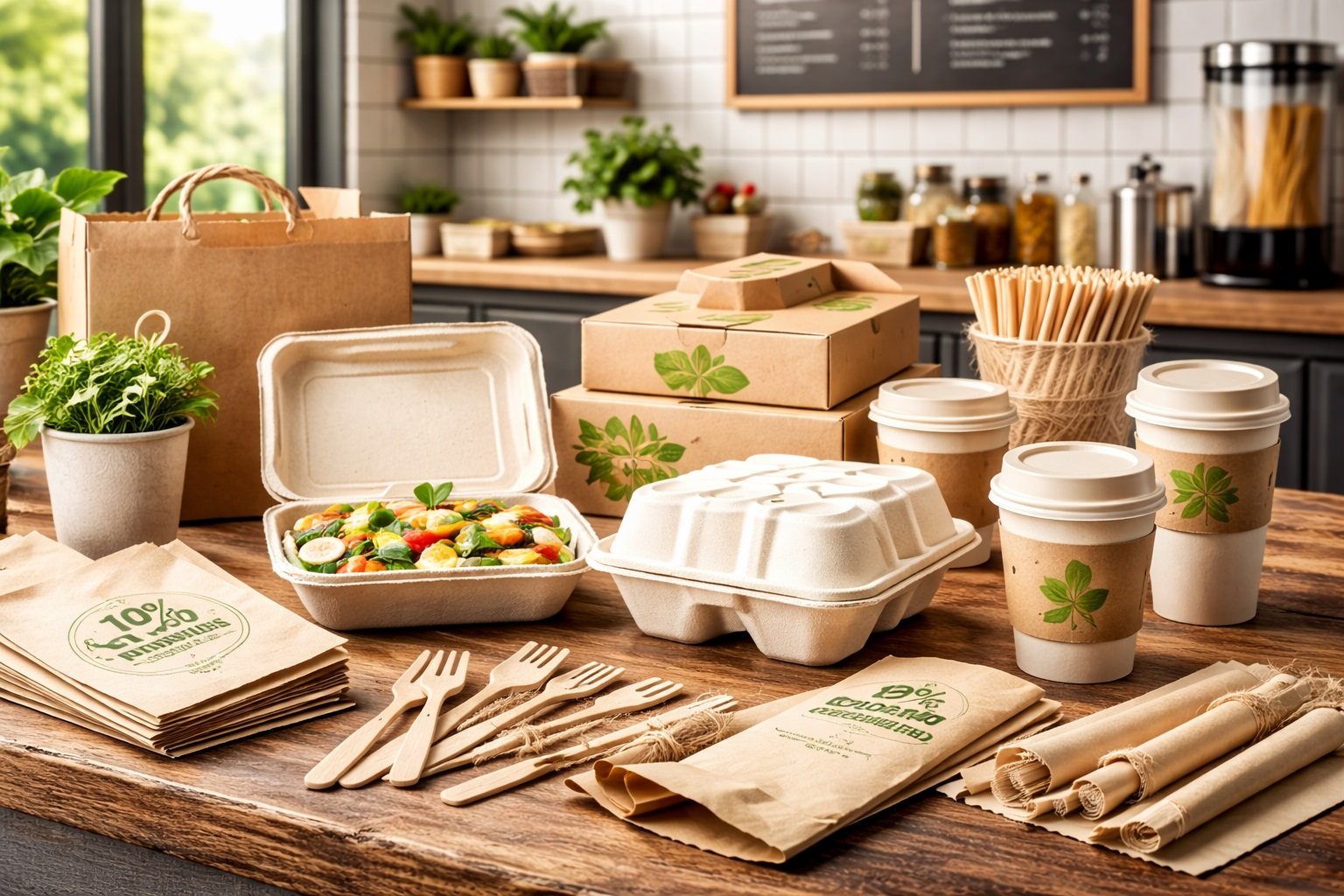
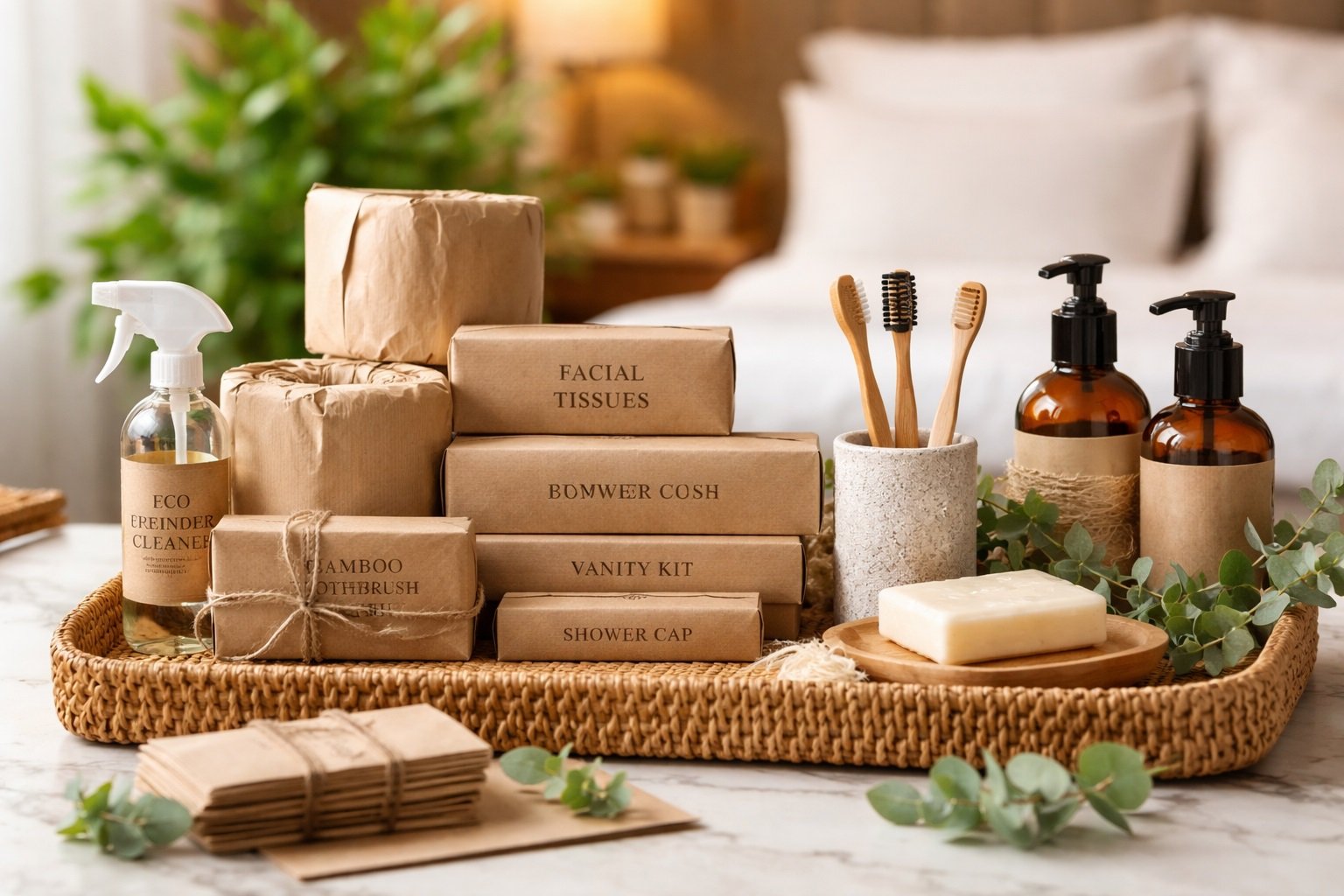
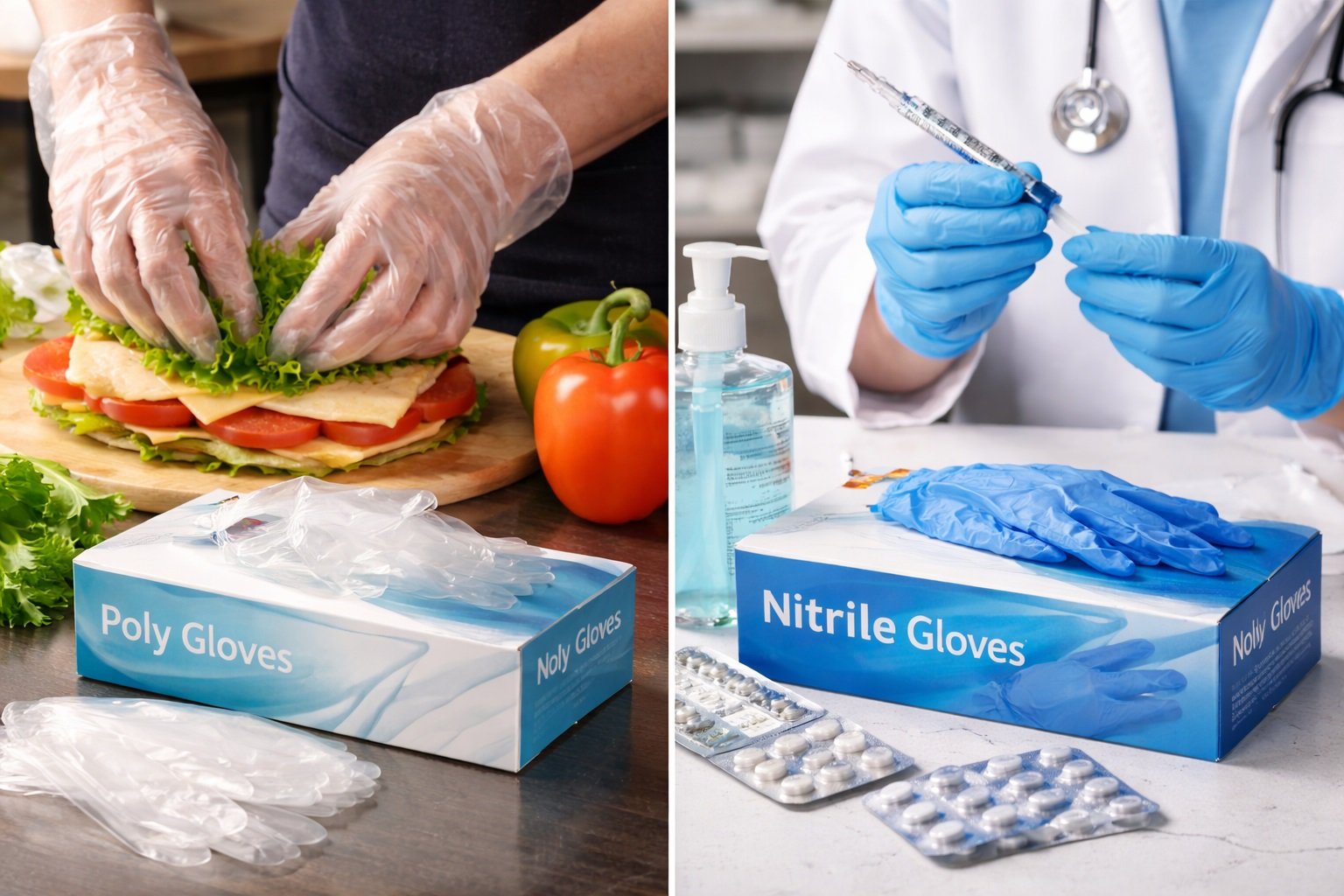
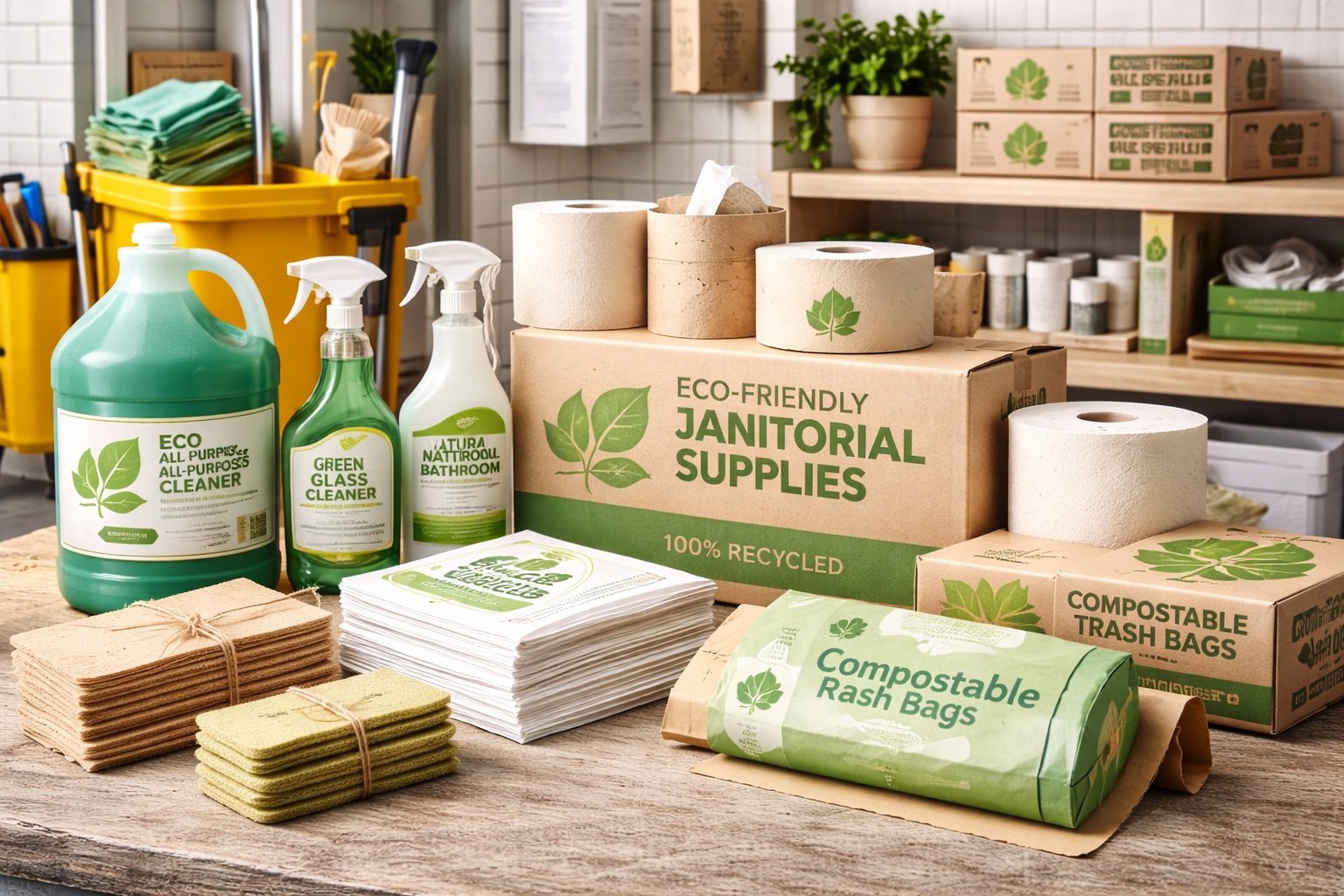
Did you know the average office worker spends nearly 2,000 hours a year indoors? In many cases, indoor air can be up to five times more polluted than outdoor air. The traditional “clean” smell of harsh bleach and stinging ammonia is being replaced by the fresh, non-toxic scent of progress. For Philadelphia schools and facility managers in Center City, the shift is clear. Wholesale janitorial supplies in Philadelphia are not just a trend. They represent a commitment to the long-term health of both students and employees. We have seen the “Green Office” movement evolve from a niche preference to a corporate and institutional mandate. Today, high-volume facilities are rethinking their priorities. What they use to scrub floors matters. How they sanitize desks matters just as much as the paper they put in their printers. Why Schools Are Leading the Charge Philadelphia’s schools are the heartbeat of our communities. Many of these historic buildings face challenges with ventilation and indoor air quality. Traditional cleaning agents often contain volatile organic compounds, also known as VOCs. These chemicals can trigger asthma or allergies in children. This has driven a major increase in demand. Educators are turning to eco-friendly cleaning products in PA. They want solutions that keep classrooms safe without sacrificing sanitization power. The Economic Logic of “Bulk and Green” There is a persistent myth that “green” means “expensive.” In reality, the 2026 market has leveled the playing field. When facilities purchase in large quantities, the cost per unit of sustainable supplies is often lower. In many cases, it can be cheaper than conventional alternatives purchased at retail. By sourcing wholesale janitorial supplies in Philadelphia, businesses can access high-concentration formulas. Instead of shipping heavy water-based pre-mixes, facilities can use concentrated green cleaners. These allow them to mix solutions on-site using reusable bottles. This drastically reduces shipping emissions, plastic waste, and storage requirements. Nitrile Gloves in the Post-Pandemic Era Sanitation isn’t just about liquids, it’s about protection. From school cafeterias to high-rise maintenance crews, personal protective equipment remains in demand. However, the focus has shifted to high-durability, powder-free options. These don’t irritate the skin or harm the environment. Organizations prioritize bulk nitrile gloves Philly suppliers, ensuring a source of latex-free protection. This makes sure that “out of stock” never becomes a problem. These gloves are essential for more than just cleaning. These gloves are used in food prep and medical suites within office complexes. This makes them a key component of any modern janitorial inventory. Integrating Janitorial and Stationery Supplies The modern Philadelphia office manager is no longer siloed into “buying paper” or “buying soap.” In 2026, the procurement process is integrated. This is why Sustainable office supplies Pennsylvania firms are increasingly offering a “one-stop-shop” approach. Traditional vs. Sustainable Janitorial Procurement Feature Traditional Approach 2026 Sustainable Approach Chemical Basis Chlorine, Ammonia, Phthalates Citric Acid, Hydrogen Peroxide, Plant-Oils Packaging Single-use plastic bottles Concentrates & Bulk Refills Safety Requires PPE & High Ventilation Low-VOC, Skin-Safe, Biodegradable Logistics Frequent, small-batch orders Wholesale janitorial supplies Philadelphia bulk orders By looking at sustainable office supplies Pennsylvania more broadly, businesses change how they operate. This approach reduces the number of delivery trucks on Philly roads. This helps lower local traffic congestion and urban carbon emissions. Meeting the “Green City” Standards Philadelphia has set ambitious goals to become a “Zero Waste” city. Residential recycling is a big part of that. But the commercial sector carries the most weight. Large office buildings are now being audited for more than recycling habits. They are also evaluated on the “circularity” of their procurement. By stocking eco-friendly cleaning products PA inspectors recognize as third-party certified. Businesses can easily prove compliance with local environmental mandates. Using bulk nitrile gloves Philly ensures that even disposable items are high-quality and long-lasting. This approach helps reduce overall waste volume in a sanitation program. Why Local Partnerships Matter In the 2020s, we learned that global supply chains can be fragile. Schools and offices rely on local partners for sustainable office supplies in Pennsylvania. This approach also reinvests in the local economy. Local vendors are not just vendors. They are neighbors. They understand the specific needs of a high-traffic office in University City and the day-to-day demands of Philadelphia facilities. Choosing local for eco-friendly cleaning products in PA means partnering with someone who understands the local green-city market. They can help forecast needs, so when demand spikes, facilities have the bulk of nitrile gloves and sanitizers required to stay operational. Clean for the Future The shift toward sustainable sanitation is a win for health, a win for the environment, and when managed through bulk purchasing, a win for the bottom line too. Philadelphia’s schools and offices are no longer settling for “clean enough.” They are striving for “clean and conscious.” American Eagle Paper supports this transition for modern, healthy workplaces. From recycled paper to high-performance green chemicals, they support facilities that want sanitation systems built for the future.