Blog

Category: Packaging Supplier

PA Act 101 Compliance Guide for Philly Pizzerias
Packaging Supplier
ahmer

The PA Act 101 Compliance Guide for Philly Pizzerias: Meeting 2026 Commercial Recycling Reporting Standards

Are you ready for the city’s latest audit of your waste bins, or is your pizzeria’s “cardboard mountain” putting your business at risk of a hefty fine? For Philadelphia’s legendary pizza shops, 2026 marks a major turning point. This includes thin-crust icons and gourmet parlors in Fishtown. The change affects how waste is managed and reported. With the city’s new Waste and Recycling Portal, restaurant compliance PA is no longer a “best practice”, it is an enforced legal requirement. At American Eagle Paper, we’ve spent years supplying the region’s best pizzerias with high-quality boxes. We know that during the heat of a Friday night rush, the last thing on your mind is Act 101. This is the Pennsylvania Municipal Waste Planning, Recycling, and Waste Reduction Act. The 2026 reporting standards introduce a more transparent, data-driven approach to commercial waste. Understanding these rules is essential. It helps protect your bottom line and contributes to a cleaner, greener Philadelphia. What is Act 101 and Why Does It Target Pizzerias? Act 101 mandates that all establishments in Pennsylvania recycle specific materials. For a pizzeria, the primary focus is almost always corrugated cardboard (OCC). Under the updated 2026 guidelines, pizzerias must source-separate their recyclables. This includes high-grade paper, aluminum, and corrugated cardboard. These must be kept separate from regular trash. Failure to do so can result in fines that reach up to $1,000 per day. To stay on the right side of the law, you should have a clear restaurant compliance PA plan. This plan should include a written waste management strategy and an annual report of your recycled tonnage. The 2026 Reporting Shift: The New Digital Portal In late 2025, the Philadelphia Department of Sanitation launched a centralized portal. It’s called the Commercial Waste and Recycling Portal. This was designed to replace the old, fragmented paper-filing system with a streamlined digital process. Every pizzeria operating under a Commercial Activity License (CAL) must now use this portal to file its annual FM-11 report. This report requires you to document the weight and type of materials you recycled over the previous year. If you use a private hauler, they should provide your tonnage figures. The legal responsibility for filing the report on time, due by early 2026 for the 2025 calendar year, rests entirely on the business owner. Managing the “Cardboard Mountain” Efficiently The sheer volume of pizza boxes coming in and out of a shop can be overwhelming. For accurate reporting, many locals turn to wholesale paper recycling services Philly. These services often provide dedicated dumpsters or balers specifically for clean corrugated cardboard. It is a common misconception that all pizza boxes must be thrown away. While grease-soaked bottom inserts should be discarded, the clean lids and side flaps of the boxes are highly recyclable. By separating these materials, you reduce the volume of costly trash pickups. You also improve your annual wholesale paper recycling Philly totals on FM-11 compliance forms. The Role of Packaging Companies in Pennsylvania Compliance starts at the beginning of the supply chain, not the end. When you source materials from reputable packaging companies in Pennsylvania, you get products designed to work with the current recycling infrastructure. This ensures your packaging is both functional and compliant. At American Eagle Paper, we don’t just sell you a box, we provide a product that is engineered for circularity. Many packaging companies in Pennsylvania have shifted toward 100% recycled fiber content. These are “clean-release” coatings that minimize grease absorption. Using these advanced materials makes it easier for your staff to identify recyclables. This directly simplifies data collection for the city’s portal. Ensure Your Pizzeria is Compliant & Ready Update Your Waste and Recycling Plan If you changed your business, maybe you added outdoor seating or shifted heavily to delivery, which may outdate your original waste plan. You must submit an updated plan to the city within 30 days of any significant change in your waste stream. Ensure your plan explicitly mentions a wholesale paper recycling Philly provider. Leverage Your Supplier’s Documentation Leading packaging companies in Pennsylvania can often provide spec sheets. These detail the recyclability and material composition of your boxes. This documentation is invaluable if the city audits your restaurants compliance PA records. It is proof that you source materials that meet the state’s environmental standards. The Financial Benefit of Compliance Trash hauling fees in Philadelphia are based on volume and frequency. In many cases, the savings on trash hauling more than offset the effort of reporting. Partnering for a Greener Philly The newest standards are part of a broader vision to make Philadelphia clean & green. By taking the time to understand Act 101 and using digital reporting tools, your pizzeria can lead by example. At American Eagle Paper, we are proud to help local companies navigate regulations.

Eco-Friendly Food Packaging for Philadelphia Restaurants
Packaging Supplier
ahmer

Eco-Friendly Food Packaging for Philadelphia Restaurants: How American Eagle Paper Supports Local Businesses

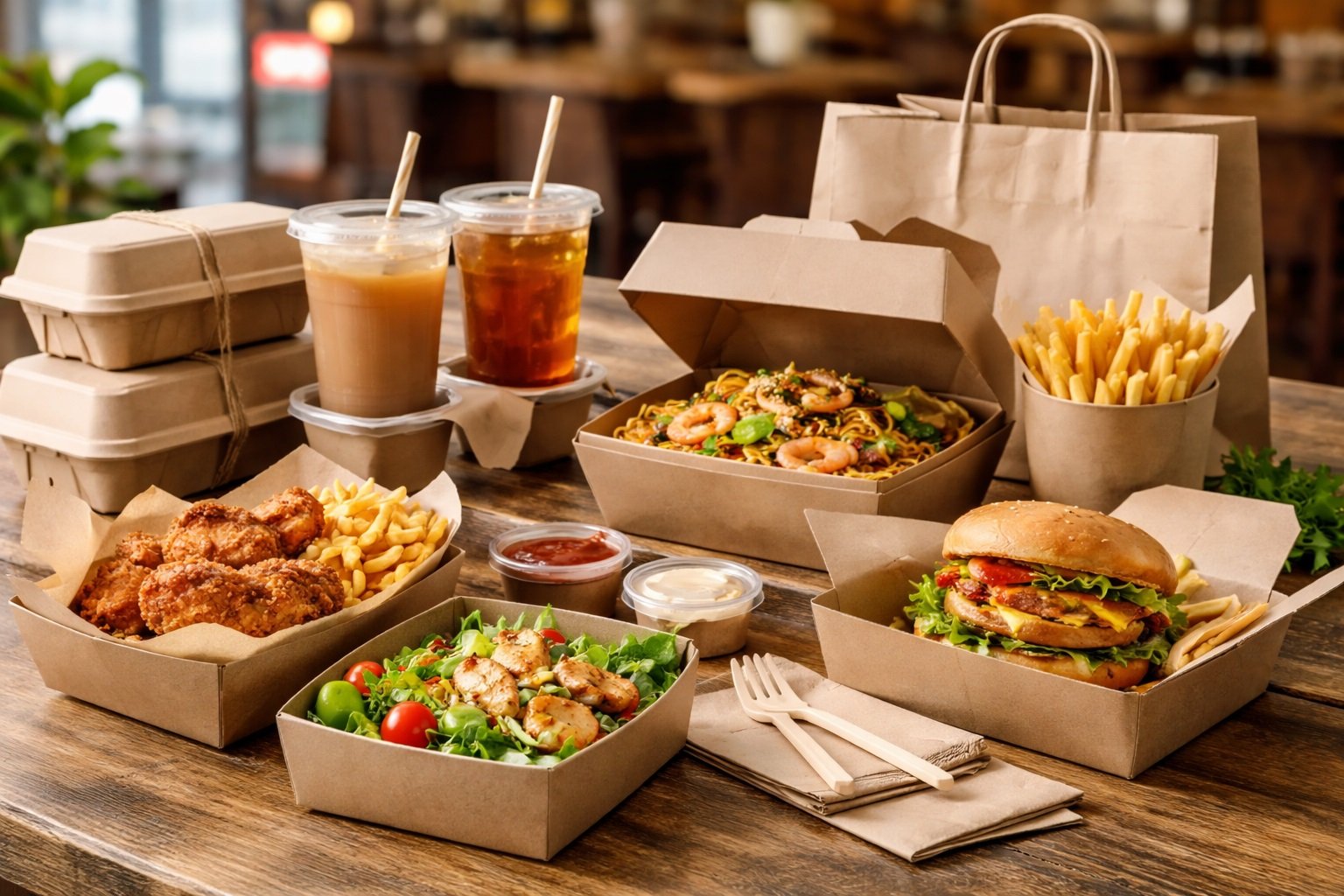
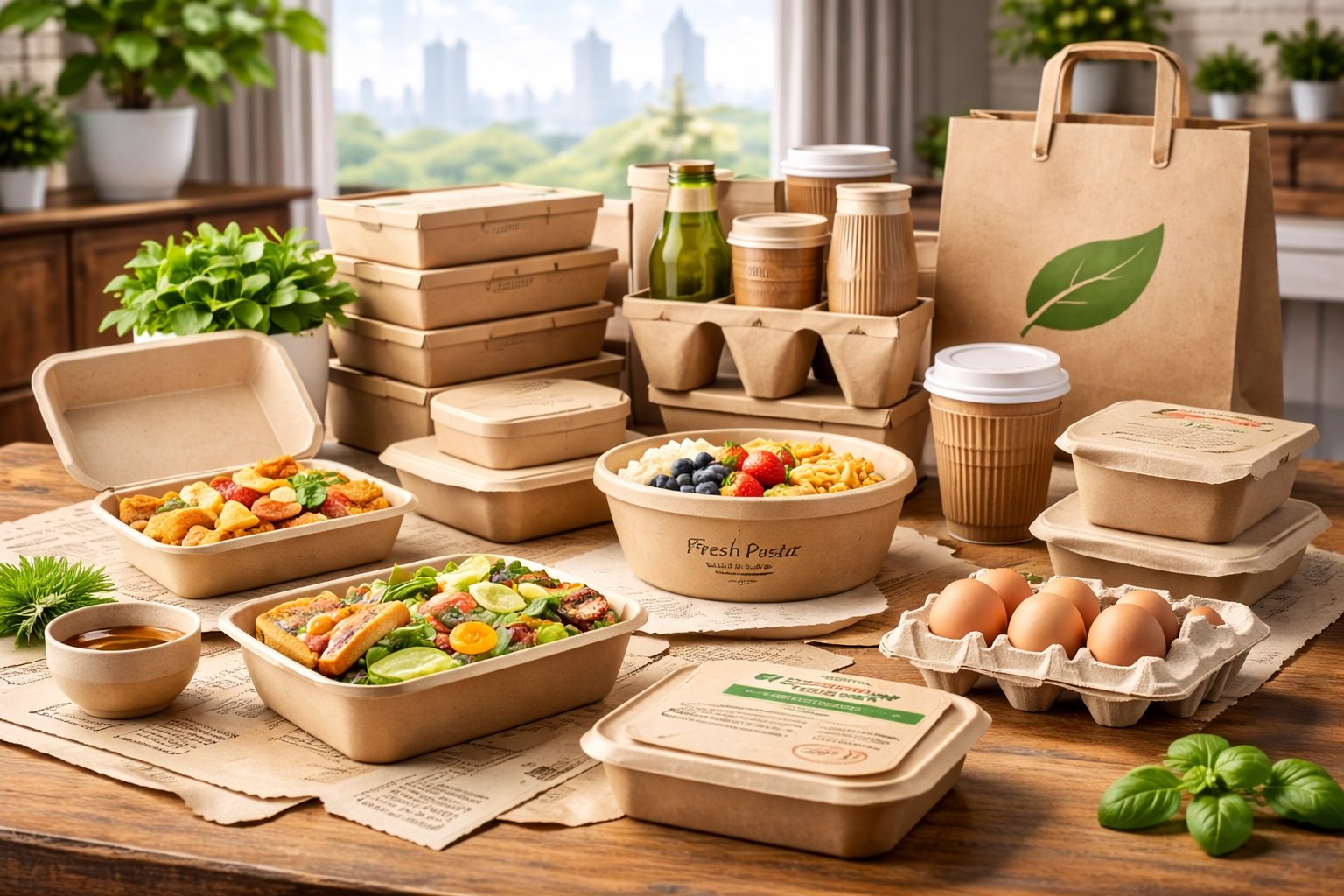
For a city like Philadelphia, where local businesses are embracing sustainability, food packaging for restaurants must rise above the ordinary takeout boxes. Under the scrutinizing demands of eco-conscious diners, the hospitality sector has no choice but to prioritize purpose with functionality. Eco-friendly food packaging is among the most preferred solutions that bring impactful changes in the ecosystem. Particularly, paper-based options featuring compostable, recyclable, and biodegradable materials are ultimately the most practical and responsible alternative to plastics. Many restaurants collaborate with local mills and suppliers to develop innovative packaging designs and scalable solutions that meet their operational needs. This collaboration reduces the environmental footprint while preserving the quality and presentation of the food. The guide highlights how food packaging Philadelphia has made deliveries easy while balancing durability, affordability, and environmental responsibility. What are the Different Eco-Friendly Food Packaging Options? Kraft Paper or Paperboards This type of sustainable food packaging for restaurants is made from post-consumer or post-industrial waste fiber. They are known for their grease and moisture-resistant characteristics. However, their capabilities fall short when faced with heavily greasy or wet food. Some Kraft papers come with no coatings at all. They have high printability, are affordable, and suitable for holding dry foods, sandwiches, or bakery items. Molded Fiber The molded fibers are derived from recycled paper, cardboard, or agricultural residues, including feedstock. The pulp extracted is converted into sturdy containers, trays, and protective inserts that can handle hot or bulky foods. However, molded fiber is not acceptable in curbside bins; rather, it should be composted by municipal programs or commercial setups. They are not microwavable and cannot tolerate moisture unless lined. Bagasse Containers The main ingredient in this food packaging for restaurants is bagasse, a by-product of sugarcane. The pulp is made into durable plates, bowls, and clamshells. The container is ideal for hot entrees, messy foods, and full-course takeouts. They require commercial compostable facilities and may cost more than plastic. Also, they may not be available in every region, and the quality of each supplier differs. Bio-Based Liners Wax or Water-Based Serviceware Water-based coatings are a newer innovation that have increased resistance to oil and moisture. It is designed to remain recyclable and compostable in extreme conditions; however, they must be chosen carefully as they can disrupt recycling streams. Why Restaurants Adopt Eco-Friendly Packaging? Customer Expectations Nowadays, diners, especially the younger crowd, are drawn to businesses whose operations are based on sustainability. Food packaging for restaurants is a way of showing their commitment to environmental responsibility. Branding and Competitive Advantage Over time, eco-friendly food packaging becomes part of the business’s narrative. It positively influences the brand’s image and attracts eco-conscious customers. Additionally, these solutions encourage positive customer referrals and foster favorable engagement across digital platforms. In crowded markets, sustainable food packaging Philadelphia grants diners the visibility they need to stand out among the vast pool of competitors. Local Regulations Many state and local governments have imposed bans on single-use food packaging Philadelphia. In situations of non-compliance, the responsible party will incur heavy fees and penalties. In some jurisdictions, suppliers or retailers are being held responsible for the use of plastics, thus effectively compelling restaurants to opt for eco-friendly food packaging. Cost Dynamics There is an argument in the market that the per-unit cost of eco-friendly food packaging is higher than that of plastic counterparts. However, looking at it from a wider angle, the businesses can save through reduced waste fees and lower disposal expenses. Furthermore, collaborating with local mills and suppliers, restaurants can save time, lower their transportation costs, and benefit from bulk-order discounts. Operational Efficiency and Safety The latest technologies are bringing innovations in eco-friendly food packaging. The modern designis leak-proof, easily stackable, and equipped with insulation to protect the food. Such developments make the containers more delivery-compatible, reducing the chances of spills and complaints. These innovations become part of the workflow once standardized, hence employees do not need to be specially trained for handling. Environmental Impact and Accountability Paper-based products, with their compostable and recyclable components, reduce greenhouse emissions and plastic pollution. Additionally, the municipalities have introduced many waste collection and disposal initiatives. These programs greatly help restaurants meet sustainability goals by channeling the discarded materials away from landfills. Supply-Chain and Local Economic Stability Forming partnerships with local suppliers of eco-friendly food packaging leads to reliable supplies. There are fewer shipping delays, and suppliers readily customize sizes or prints even if the ordered quantity is less. Furthermore, buying locally strengthens the community, deepens business relationships, and builds goodwill. A Local Provider for Restaurants Supporting Sustainability American Eagle Paper Company Inc. brings you reliable, eco-friendly food packaging that elevates your restaurant’s efficiency, presentation, and cleanliness. Our team of experts is here to cook up designs and streamline options that will give your business the competitive edge it needs to stand out in the market.

A guide to selecting the best packaging supplier for quality and reliability
Packaging Supplier
admin

How to Choose the Right Packaging Supplier

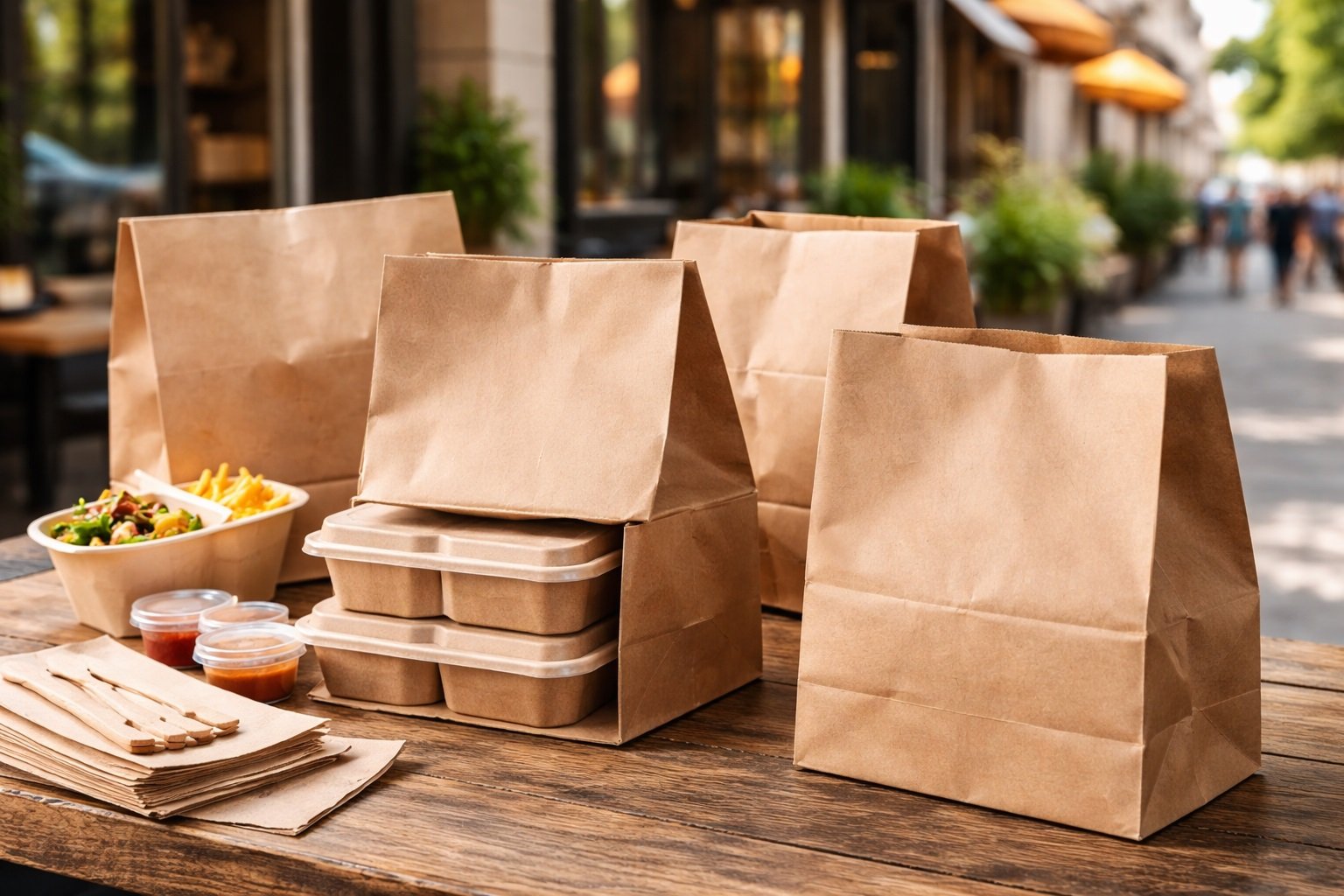
How to Select the Best Packaging Supplier for Your Needs  Before starting your search for a packaging supplier, clearly define your requirements. Consider aspects such as the type of products you need packaging for, the level of protection required, whether you need custom packaging solutions for branding, your sustainability goals, and the volume of packaging required per order. By understanding these factors, you can narrow down suppliers that specialize in the packaging solutions you need. Look for Custom Packaging Solutions Each business will have special packaging needs, and a standard approach may not be suitable. Custom packaging will assist in creating a better brand image, enhanced customer experience, and maximum protection for your product. Search for suppliers that can provide custom design, size, and print services to suit your brand and product specifications. Evaluate the Supplier’s Reliability and Reputation Supply chain reliability is a crucial factor when selecting a packaging supplier. A supplier with a strong reputation for on-time delivery and quality consistency can help you avoid delays and inventory shortages. To assess reliability, check customer reviews and testimonials, look at the supplier’s history and track record, ask for references from existing clients, and ensure they have contingency plans in place for supply chain disruptions. A dependable supplier ensures smooth operations and prevents packaging-related hiccups in your supply chain. Compare Pricing and Conduct a Packaging Cost Analysis Cost plays a significant role in choosing a packaging supplier. However, the cheapest option is not always the best. Conduct a packaging cost analysis by considering the cost per unit, shipping and handling expenses, additional charges for customization, and the total cost of ownership, including material durability and storage requirements. Balance cost-effectiveness with quality to ensure you get the best value for your money. Consider Bulk Packaging Suppliers If you require large quantities of packaging, dealing with bulk packaging suppliers may result in cost savings. Purchasing in bulk can help decrease per-unit costs and lower logistics costs. Before making a decision on a bulk supplier, ensure they can supply enough for your needs without sacrificing quality and delivery schedules. Assess Quality Control Standards The quality of your packaging impacts customer satisfaction and product protection. Ensure your supplier follows strict quality control measures, such as using high-quality materials, conducting regular quality inspections, and providing samples before bulk production. A supplier with strong quality assurance practices will help prevent defects and maintain consistency in packaging. Check for Compliance and Certifications Depending on your industry, packaging may need to comply with specific regulations. Ensure your supplier meets all necessary standards, such as FDA compliance for food packaging, FSC certification for sustainable paper products, and ISO certifications for quality management. Compliance ensures your packaging meets industry requirements and avoids legal or regulatory issues. Evaluate Customer Service and Communication Good customer service is crucial when it comes to dealing with packaging suppliers. Select a supplier that is communicative, open, and responsive. Major areas to search for are an assigned account manager, open response times, and willingness to accommodate special orders or expedited orders. A good supplier with excellent customer service can streamline your packaging procurement process and make it more efficient. Consider the Supplier’s Location and Logistics Capabilities The location of your supplier affects shipping costs and lead times. A local supplier might be more accessible and provide faster deliveries, while an international supplier could offer better pricing but longer transit times. Consider shipping costs, delivery timelines, and customs and import/export regulations (for international suppliers). Choosing a supplier with efficient logistics ensures you receive your packaging materials without unnecessary delays. Request Prototypes and Samples Before committing to a supplier, request prototypes or samples to assess the quality and suitability of their packaging solutions. This allows you to evaluate the durability, functionality, and aesthetic appeal of the packaging before placing bulk orders. Prototypes help prevent potential issues that could arise after full-scale production. Understand the Supplier’s Production Capacity If your company has seasonably high demand or sudden growth, your packaging supplier ought to be able to produce corresponding to their level. Ask them about their manufacturing capacity and lead times to confirm they will be able to meet higher demands in a timely manner. A flexible manufacturing capability supplier can easily adapt to variations in your order quantity. Consider After-Sales Support A reliable supplier should provide after-sales service, such as return, replacement, and troubleshooting assistance. Inquire about their defective product policy and how they handle customer complaints. Effective after-sales service guarantees you continued support in the event of any packaging issues. Explore Sustainability Partnerships If sustainability is a top priority for your company, look for a packaging supplier that shares your environmental values. Some suppliers are actively involved in sustainability efforts, including carbon offsetting, waste reduction programs, and collaboration with recycling centers. Selecting a supplier that is dedicated to sustainability can promote your brand’s green image and assist in compliance with regulatory requirements for sustainable business practices. Review Contract Terms and Flexibility Prior to signing your contract, thoroughly examine the supplier’s terms of agreement. Look for provisions on price adjustment, minimum order levels, lead times, payment terms, and delay/defect penalties. A supplier with flexible contract terms and flexible pricing structures is ideal for companies with variable demand or shifting packaging requirements. Conclusion Choosing the ideal packaging supplier is a matter of balancing quality, price, sustainability, and reliability. By looking at such aspects as custom packaging solutions, green packaging materials, bulk packaging suppliers, and supply chain reliability, you can make a well-informed choice that will suit your business in the long term. Investing time in selecting the right supplier will help you enhance your brand, optimize costs, and meet customer expectations effectively. Taking a strategic approach to supplier selection will contribute to the success and growth of your business.