
Are Traditional Plastic Containers Safe for Food Storage?
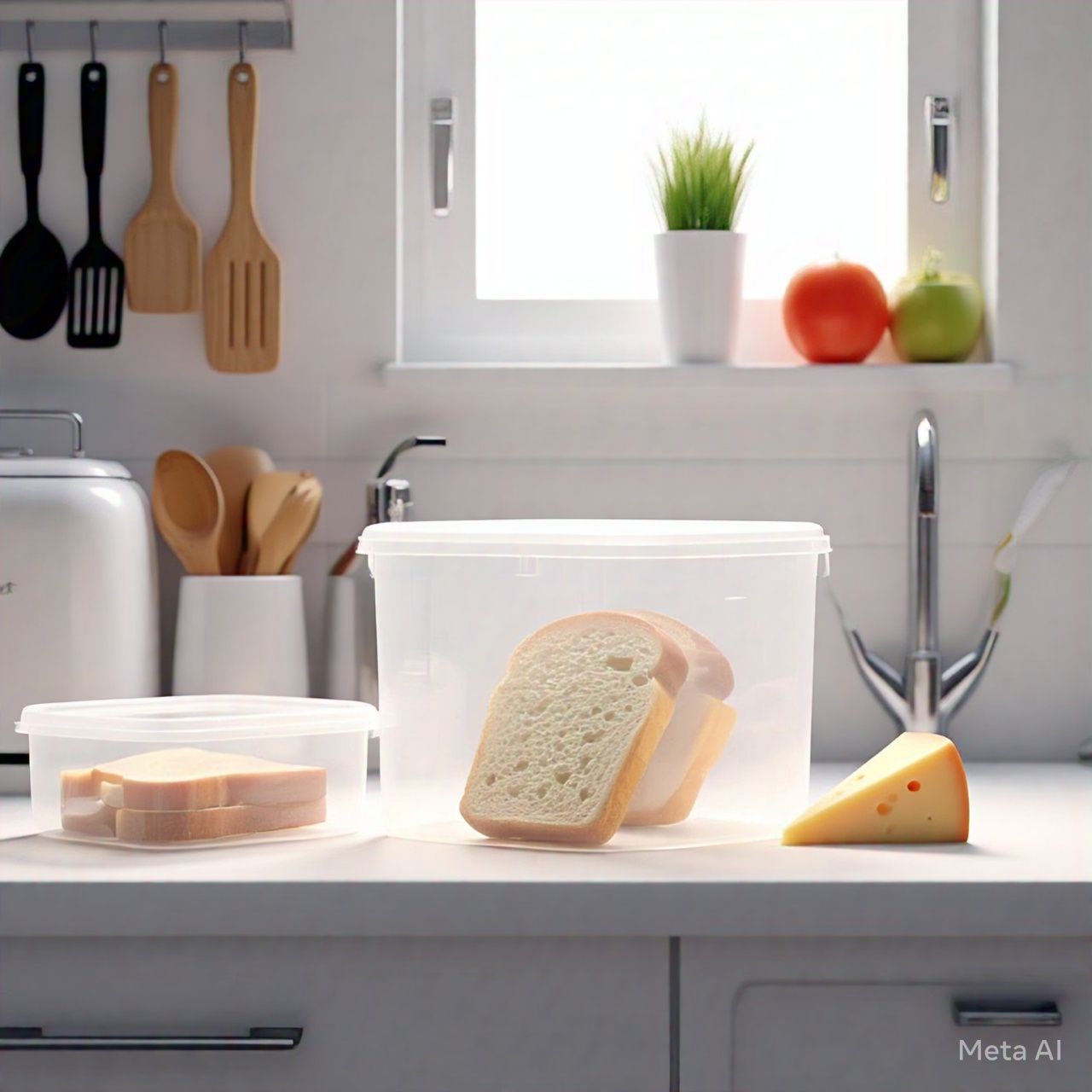
Are Traditional Plastic Containers Safe for Food Storage? Here’s What You Need to Know Nothing in modern life feels as standard in a home as in a conventional plastic container. Their light weightiness, cheapness, and the ability to be used for virtually anything – from storing leftovers to keeping ingredients for meal preparation – make them seem to be just the thing. However, whether or not it is safe to store food in them has been a nagging worry for many health-conscious people. This blog will discuss the safety of the modern, regular plastic container, including its safety during food storage, food-grade plastic container safety, chemical leaching, and other risks associated with food storage in plastic. The Popularity of Traditional Plastic Containers Regular plastic containers have been popular mostly due to their usefulness as cost savings. Presently, many shapes, sizes, and designs are involved in solving the various storage problems. Even with these conveniences, the question then arises when the container is used for storing food for a prolonged period or under conditions. Understanding Food-Grade Plastic Container Safety The plastic containers are not all the same. There are those that are labeled “food-grade” or “BPA-free,” meaning that they have passed some standards in safety. A food-grade plastic container means that it was manufactured in such a way that it stored the food material without any risk of contamination or danger to health.Consumers are advised to look for food-safe certifications and labels when purchasing plastic containers. These labels often indicate that the product is free from harmful chemicals, such as Bisphenol A (BPA), which can leach into food and beverages under certain conditions. The Risks of Chemical Leaching in Plastic Containers One of the most significant concerns about traditional plastics containers are just potential conduits of chemical leaching. Certain plastics transfer toxins to food within them when high heat, such as that of a microwave or very hot liquid, is finally applied. Chemical leaching occurs in this manner.Chemical leaching is important mostly when acidic or fatty foods are stored, as this could even speed up the release of harmful substances. These types of containers are also more susceptible to leaching chemicals-the older or damaged ones, thus making it imperative to change them from time to time. Health Risks of Plastic Food Storage The health risks associated with plastic food storage largely stem from the chemicals that can leach into food and beverages. Prolonged exposure to these chemicals has been linked to a variety of health issues, including endocrine disruption, cancer risks, reproductive health issues, and immune system impairment.Endocrine disruptors, for instance, are such chemicals like BPA that may affect the hormonal balance in the human body and therefore could lead to problems in development, reproduction, and the brain. Some chemicals, such as styrene used in plastics, can increase cancer. Phthalates, often present in traditional plastic containers, have been linked to reduced fertility and other reproductive health concerns. Certain plastic additives can also impact the immune system, making the body more susceptible to illnesses. Safe Materials for Food Packaging For those wanting to reduce their risk of health risks, there are alternative safe food packaging and storage materials which can be considered instead of using the traditional plastic containers. The use of glass containers is considered as one of the best since it is hardy, non-reactive, and very easy to clean. Stainless steel containers are lightweight and long-lasting, ideal for both hot and cold foods. Food-grade silicone is a flexible and heat-resistant material that is free from harmful chemicals. Container made of food-safe grade material would allow for safe storage of food and liquids. BPA-free plastic storage options minimize the risks associated with traditional plastic but maintain the convenience. As one selects any storage material, one should ensure it is food-safe and for the desired use. Tips for Using Plastic Containers Safely If you decide to use traditional plastic containers, there are steps you can take to minimize potential health risks. Avoid heating plastic containers unless they are explicitly labeled as microwave-safe, and discard any containers that are cracked, scratched, or discolored, as these are more likely to leach chemicals. Always check labels for food-grade or BPA-free certifications and consider using plastic containers for short-term storage rather than long-term use. Additionally, avoid storing acidic or oily foods in plastic containers, as these can accelerate chemical leaching. Conclusion Plastic containers are such a big source of convenience as their use ranges from bottled water to takeaways, consumed or might still be processors of chemical leaching making informed choices for the preservation of one’s health. Whether you’re storing leftovers or prepping meals, prioritizing safe materials for food packaging is a step toward a healthier lifestyle.