If you run a restaurant, cafe, retail shop, or any small business in Philadelphia that deals with takeout, packaging, or customer carryout, you’ve likely felt the ripple effects of the city’s ongoing push to cut single-use plastics.
The plastic bag ban has been in place since around 2021-2022, and now, heading into 2026, the latest changes, a 10-cent fee on paper bags, took effect in January after becoming law late last year.
This isn’t a brand-new outright ban on all plastics in 2026, but it’s tightening the rules around single-use items and nudging everyone toward more sustainable options.
The goal is straightforward: reduce litter, curb waste in the rivers and streets, and get people (and businesses) thinking reusable first.
After the plastic bag ban kicked in, many spots saw a big jump in paper bag use, which helped cut plastic but created its own issues, like more trees being cut down and higher costs.
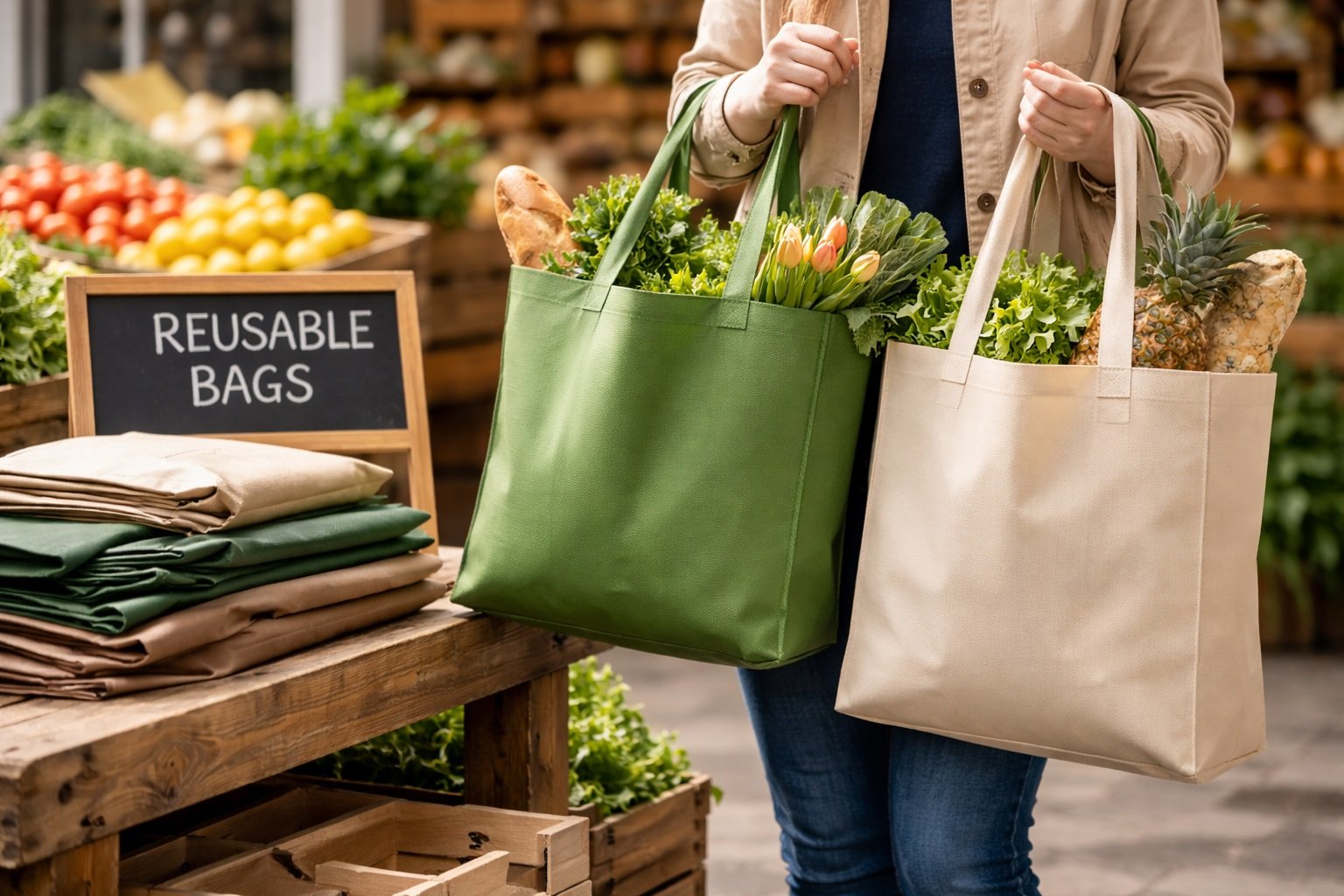
The new paper bag charge aims to fix that by encouraging folks to bring their own bags or go bagless for small purchases.
For small business owners, this means rethinking plastic-free packaging Philadelphia supplies, especially for food service and retail.
If you’re still using any single-use plastic carryout bags (even thin ones), that’s already off the table under the existing ban.
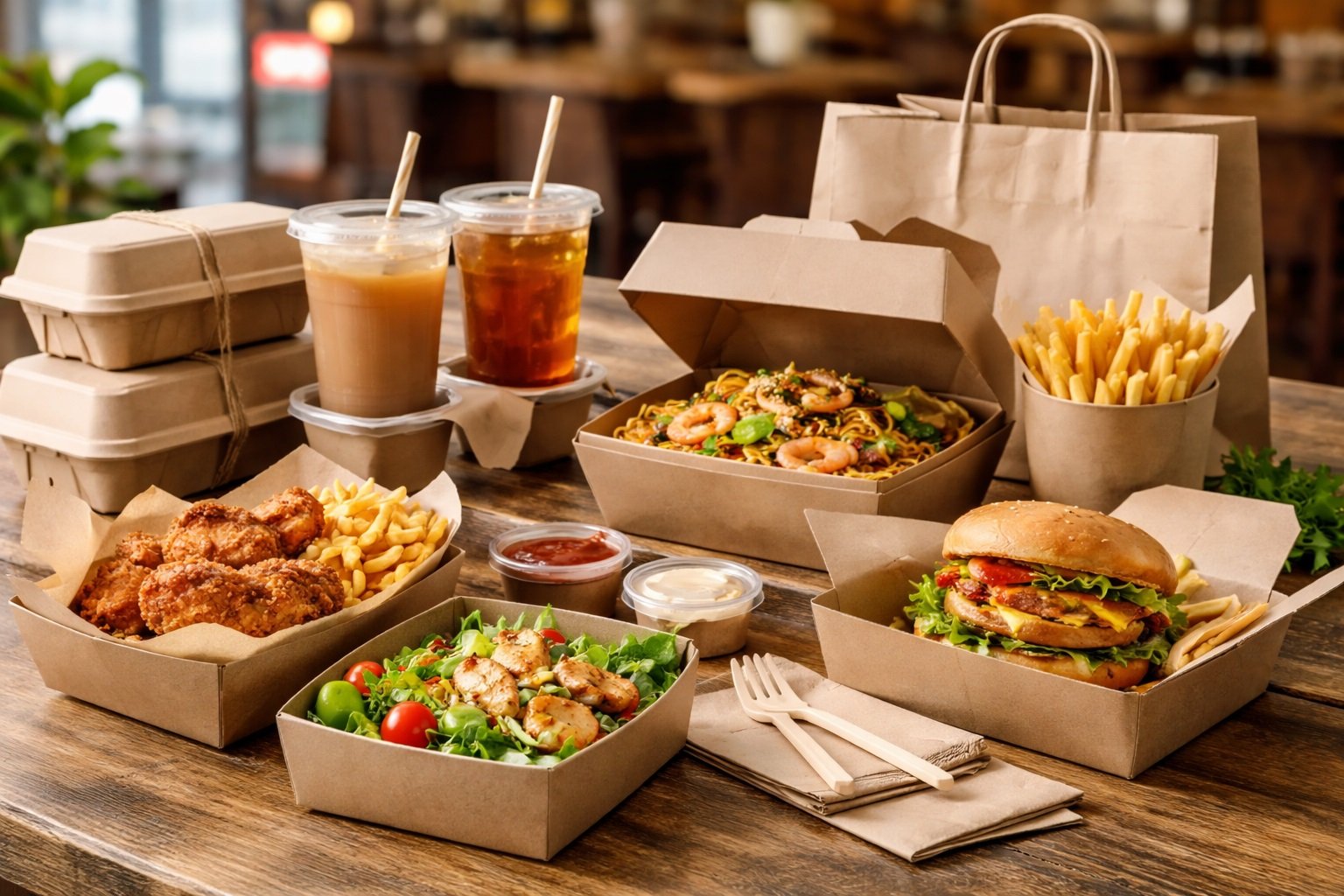
Now, with paper bags costing extra to provide, fiber-based alternatives, such as sturdy paper, molded pulp, or bagasse containers, are becoming the practical go-to.
Why Fiber Alternatives Make Sense Right Now
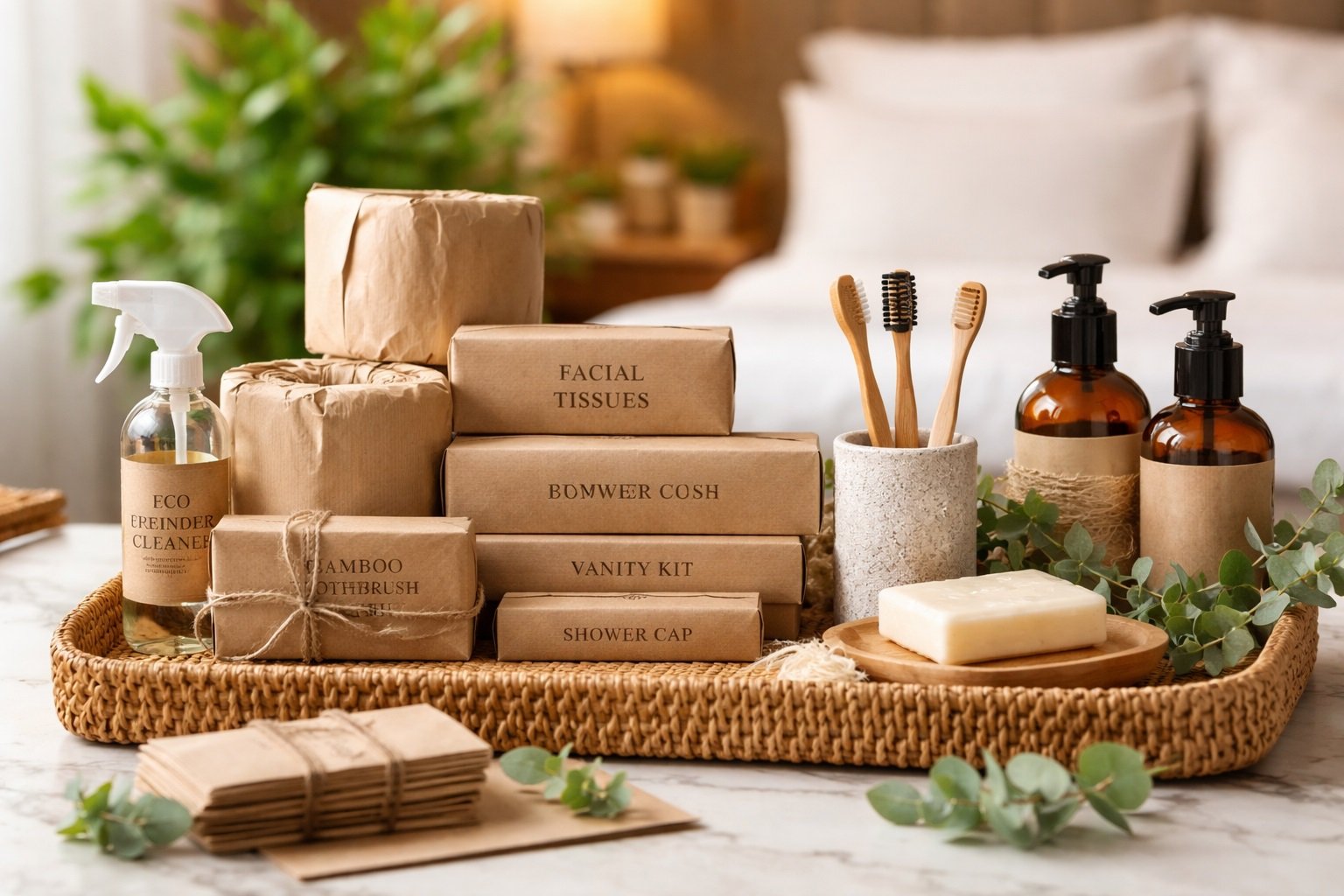
Fiber materials like recycled paper, cardboard, bagasse (from sugarcane), or bamboo pulp check a lot of boxes for Philly businesses:
- They’re biodegradable or compostable in many cases, breaking down faster than plastic without leaving microplastics behind.
- They meet customer expectations, and people in the city are increasingly eco-conscious and appreciate brands that align with that.
- Many options are sturdy enough for hot or greasy foods, leak less than you might think, and look clean and professional.
- Sourcing locally or from suppliers such as American Eagle Paper Co who focus on biodegradable food containers, PA can keep costs manageable and support regional vendors.
Popular swaps include:
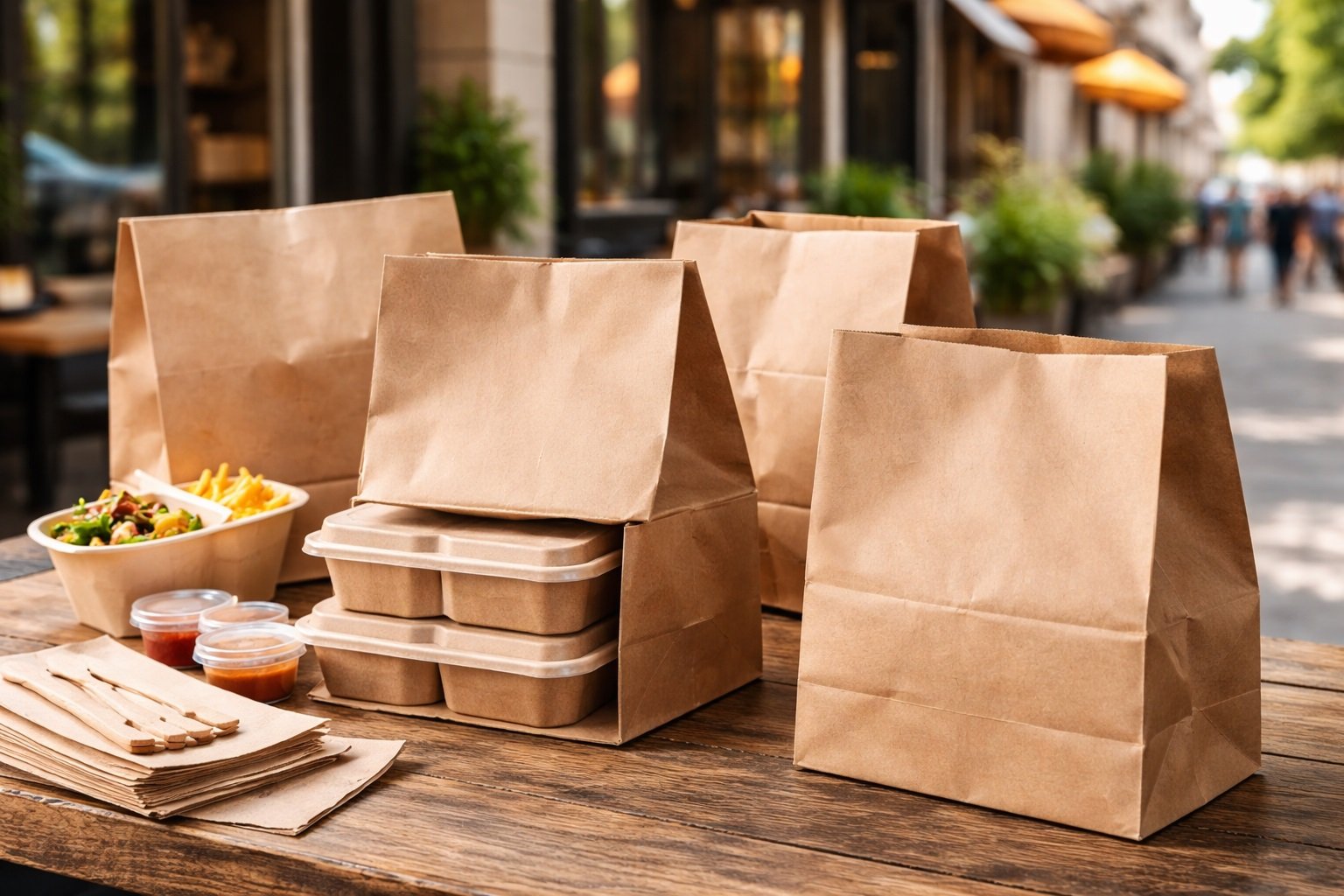
- Molded fiber clamshells or trays for takeout instead of foam or plastic.
- Kraft paper bags with handles (at least 40% recycled content to stay compliant with older rules, though the fee applies regardless).
- Compostable liners or wraps for sandwiches and salads.
- Cardboard carriers for drinks or multiple items.
These aren’t always the cheapest upfront, but they can pay off through better customer loyalty, fewer complaints about flimsy packaging, and avoiding potential future restrictions.
Practical Steps to Make the Switch
- Audit what you’re using now. Walk through your operation: checkout bags, to-go containers, food wraps, straws (if still offering plastic ones, many places have ditched them). Note what’s single-use and plastic-based.
- Source compliant suppliers. Look for vendors offering restaurant supplies Philly that specialize in eco-friendly lines. Local distributors often carry fiber clamshells, paper boats, and recycled bags. Check certifications like BPI for composability if you’re aiming for that. Bulk buying can bring prices down.
- Train your team and communicate with customers. Let staff know why the change is happening, it’s not just policy; it’s about cleaner streets and rivers. Put up small signs: “Help keep Philly green, bring your own bag or pay 10¢ for paper.” Offer discounts for reusable bags if you can swing it; some spots do a few cents off to encourage the habit.
- Test and adjust. Start with one or two items (like switching to fiber takeout boxes) and get feedback. Customers notice quality; good fiber packaging holds up without sogginess or tearing.
- Budget for it. Factor in the 10-cent paper fee (which businesses keep, so it’s not a total loss) and slightly higher costs for fiber alternatives. Many owners find that the long-term savings in waste reduction and brand image make up for it.
Looking Ahead for Philly Small Businesses
The city’s plastic bag rules have evolved over the years, and while there’s no sweeping new 2026 ban on all single-use plastics (like utensils or containers citywide, though nearby New Jersey has rules on auto-provided plastic cutlery starting August 2026), the direction is clear: less disposable, more durable and reusable. Staying ahead means building habits now.
If you’re in retail, focus on Philadelphia retail packaging that’s fiber-heavy or reusable-friendly. For restaurants, lean into biodegradable food containers PA that feel premium.
It’s work, but plenty of local spots have made the transition smoothly and even turned it into a selling point: “Eco-friendly takeout from your neighborhood favorite.”
The bottom line? These changes aren’t going away. Transitioning thoughtfully to fiber alternatives keeps you compliant, supports the city’s cleanup efforts, and shows customers you care about the same things they do.
If you’re feeling stuck on suppliers or specifics, reach out to local sustainability groups or business networks; they often have recommendations tailored to Philly operations.
You’ve got this, small changes add up, and Philly businesses have a track record of adapting well.