Blog

Tag: Eco-Friendly Packaging

Philadelphia’s 2026 Plastic Ban A Small Business Guide
Green Packaging
ahmer

The Small Business Guide to Philadelphia’s 2026 Plastic Bans: Transitioning to Fiber Alternatives

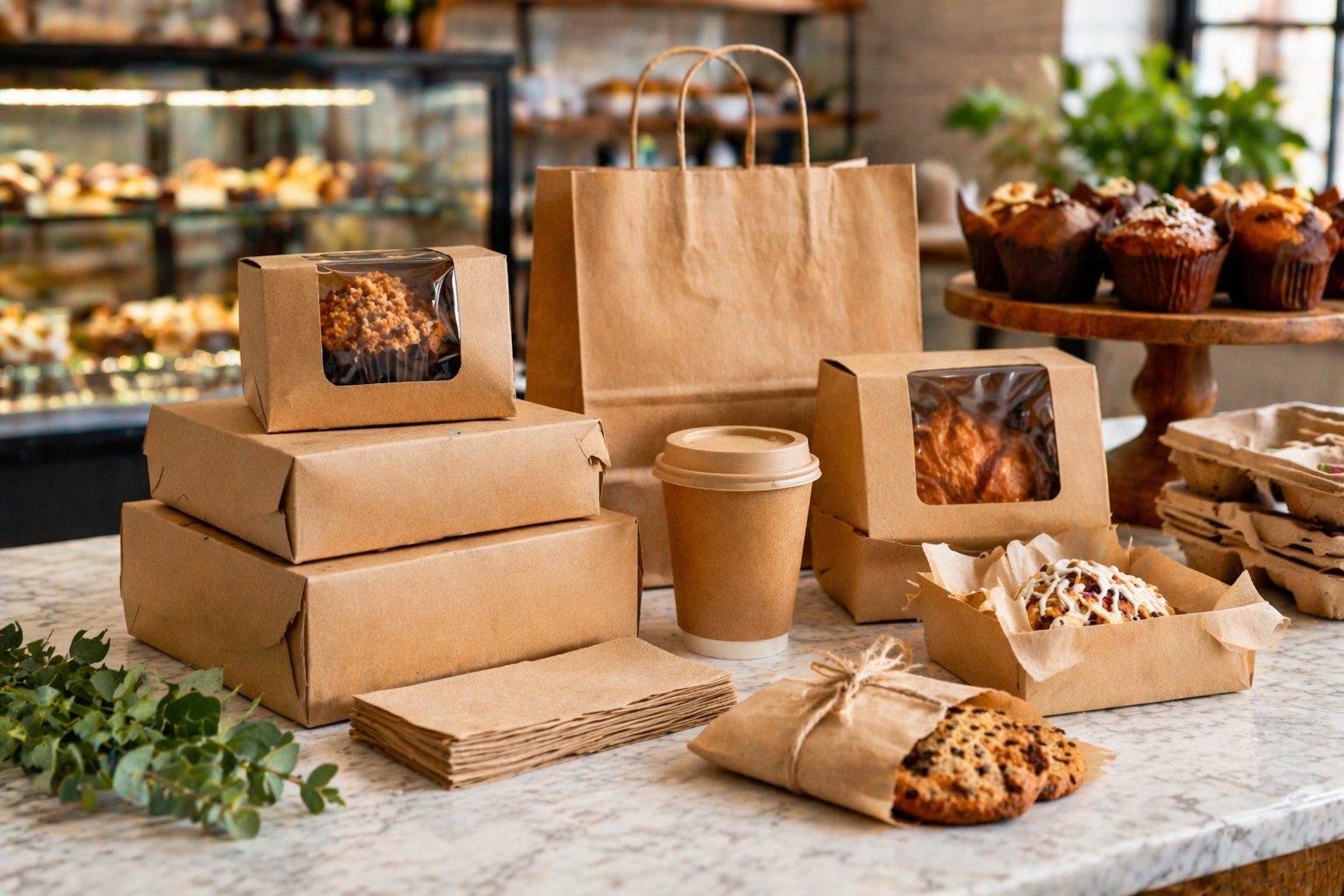
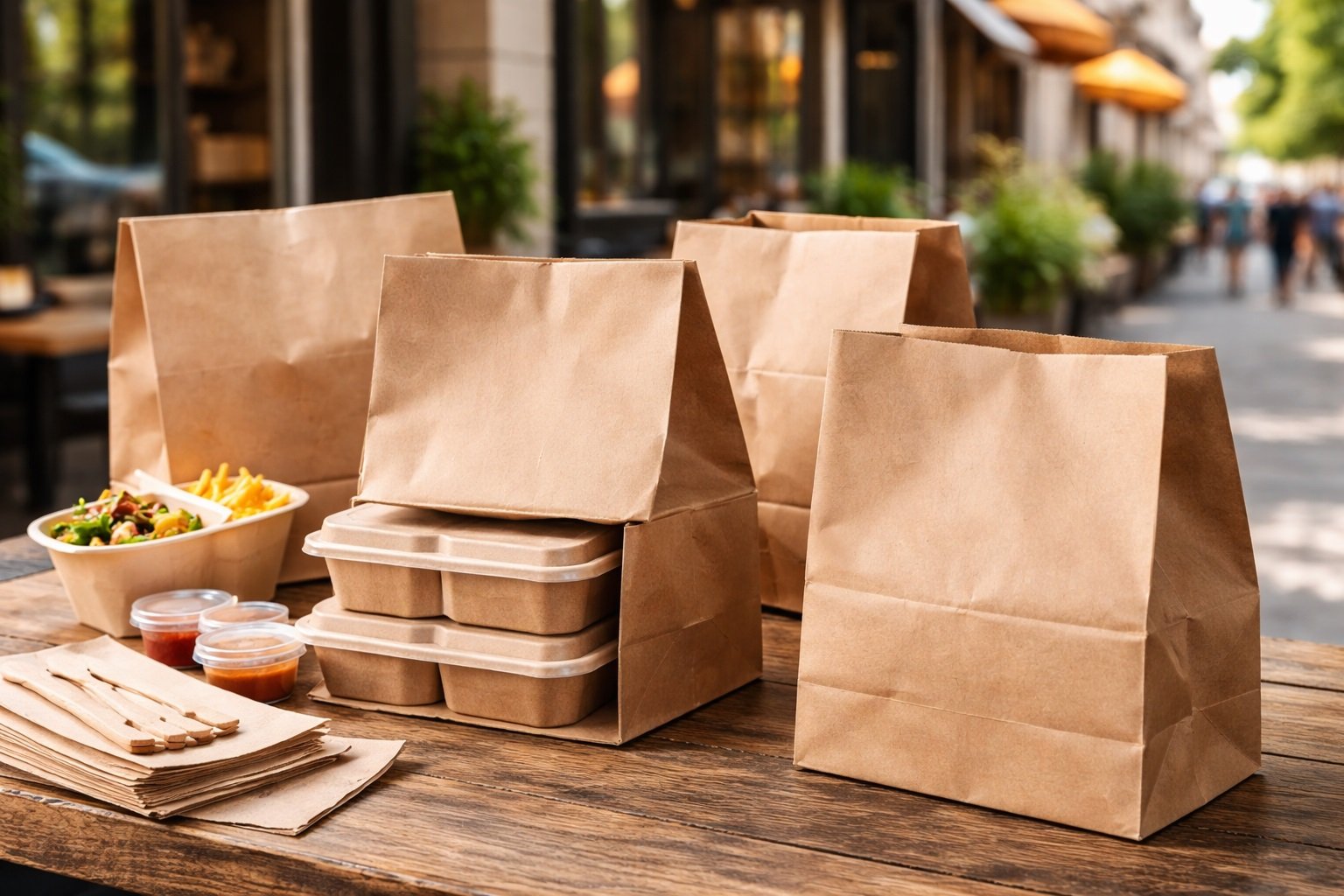
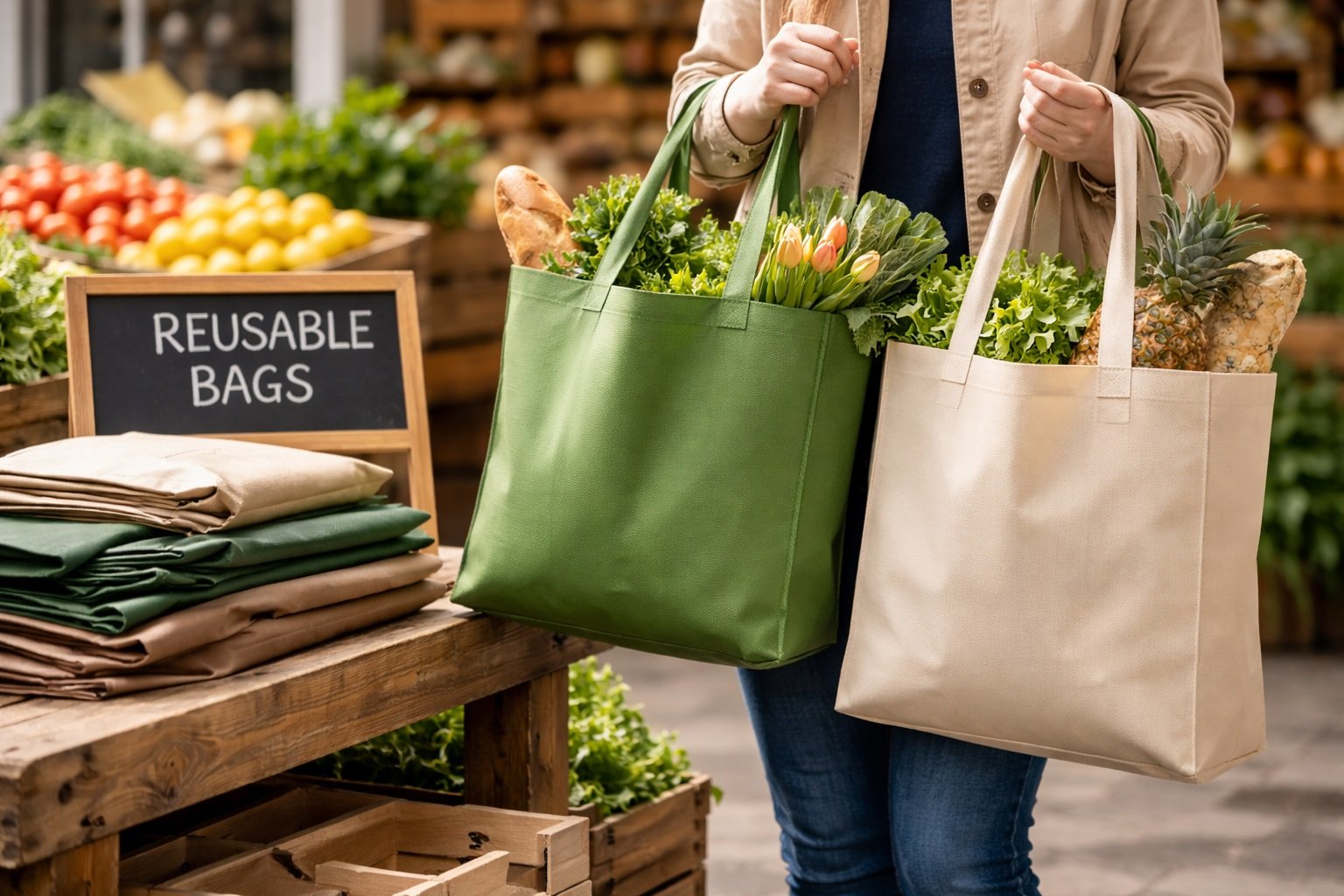
If you run a restaurant, cafe, retail shop, or any small business in Philadelphia that deals with takeout, packaging, or customer carryout, you’ve likely felt the ripple effects of the city’s ongoing push to cut single-use plastics. The plastic bag ban has been in place since around 2021-2022, and now, heading into 2026, the latest changes, a 10-cent fee on paper bags, took effect in January after becoming law late last year. This isn’t a brand-new outright ban on all plastics in 2026, but it’s tightening the rules around single-use items and nudging everyone toward more sustainable options. The goal is straightforward: reduce litter, curb waste in the rivers and streets, and get people (and businesses) thinking reusable first. After the plastic bag ban kicked in, many spots saw a big jump in paper bag use, which helped cut plastic but created its own issues, like more trees being cut down and higher costs. The new paper bag charge aims to fix that by encouraging folks to bring their own bags or go bagless for small purchases. For small business owners, this means rethinking plastic-free packaging Philadelphia supplies, especially for food service and retail. If you’re still using any single-use plastic carryout bags (even thin ones), that’s already off the table under the existing ban. Now, with paper bags costing extra to provide, fiber-based alternatives, such as sturdy paper, molded pulp, or bagasse containers, are becoming the practical go-to. Why Fiber Alternatives Make Sense Right Now Fiber materials like recycled paper, cardboard, bagasse (from sugarcane), or bamboo pulp check a lot of boxes for Philly businesses: Popular swaps include: These aren’t always the cheapest upfront, but they can pay off through better customer loyalty, fewer complaints about flimsy packaging, and avoiding potential future restrictions. Practical Steps to Make the Switch Looking Ahead for Philly Small Businesses The city’s plastic bag rules have evolved over the years, and while there’s no sweeping new 2026 ban on all single-use plastics (like utensils or containers citywide, though nearby New Jersey has rules on auto-provided plastic cutlery starting August 2026), the direction is clear: less disposable, more durable and reusable. Staying ahead means building habits now. If you’re in retail, focus on Philadelphia retail packaging that’s fiber-heavy or reusable-friendly. For restaurants, lean into biodegradable food containers PA that feel premium. It’s work, but plenty of local spots have made the transition smoothly and even turned it into a selling point: “Eco-friendly takeout from your neighborhood favorite.” The bottom line? These changes aren’t going away. Transitioning thoughtfully to fiber alternatives keeps you compliant, supports the city’s cleanup efforts, and shows customers you care about the same things they do. If you’re feeling stuck on suppliers or specifics, reach out to local sustainability groups or business networks; they often have recommendations tailored to Philly operations. You’ve got this, small changes add up, and Philly businesses have a track record of adapting well.

Food Truck Supplies
Green Packaging
ahmer

Are Your Philly Food Truck Supplies Ready for 2026? Eco-Friendly Packaging Requirements for Philadelphia Street Vendors

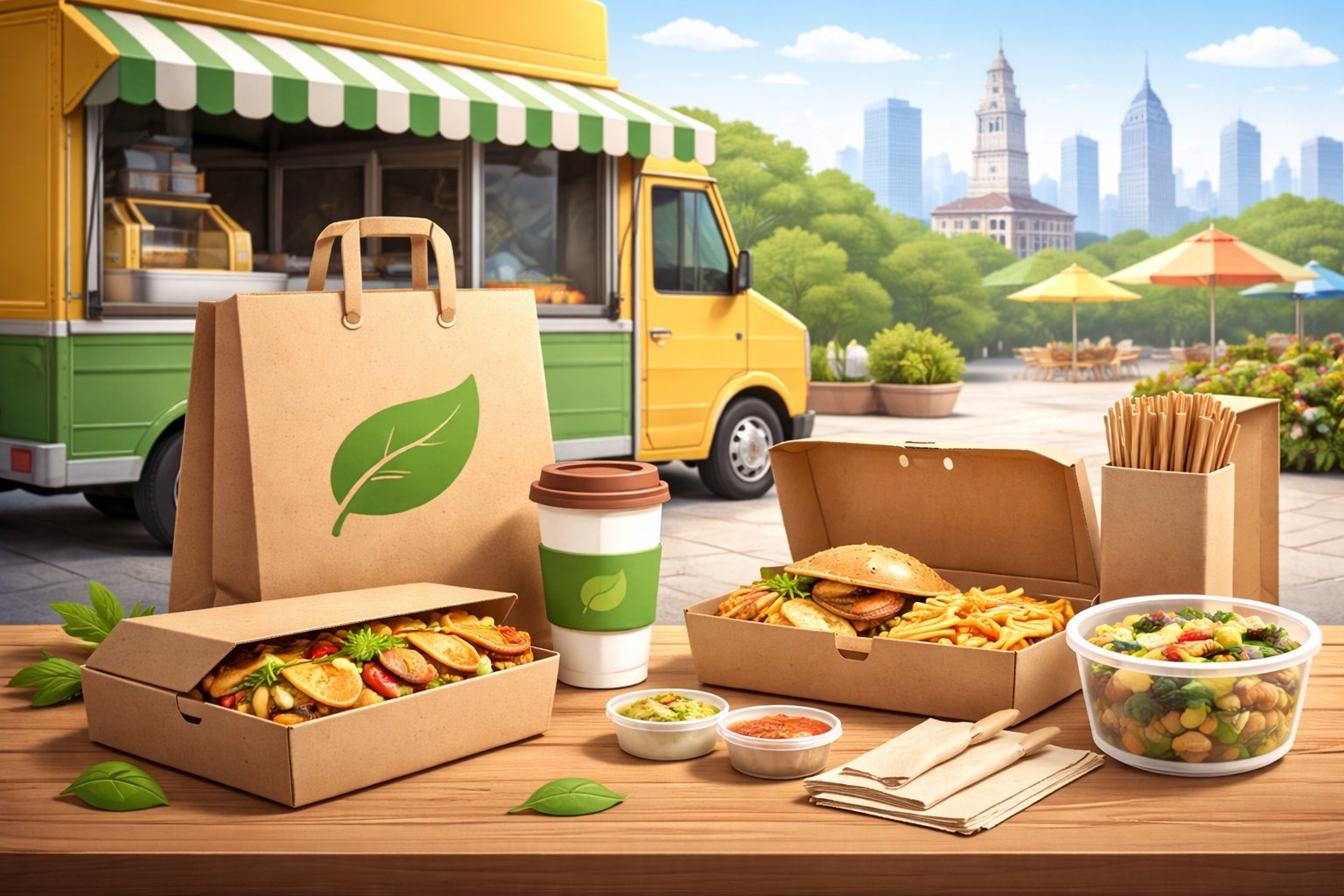
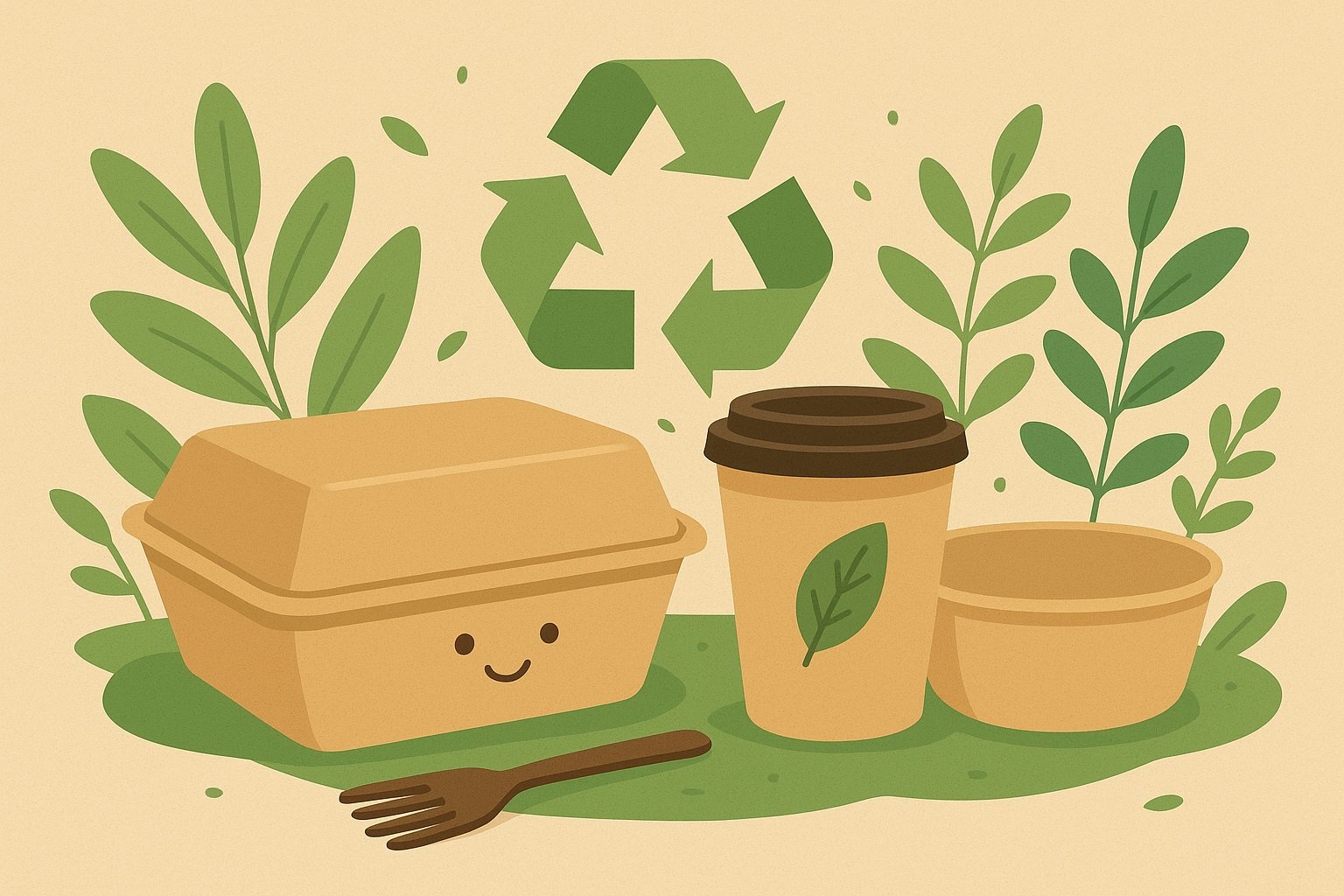
Philadelphia food truck scene has changed immensely over the years. Philadelphia food truck supplies are becoming greener, and the focus is on eco-friendly food packaging PA. Whether you are getting the slinging tacos from Love Park or cheesesteaks in University City, compostable containers Philadelphia are the new wave. With 2026 knocking, and the city is cranking up the heat on going green. We’re talking real sustainability pushes that hit right in the takeout bags and containers. Remember that plastic bag ban that’s been around for a few years? It’s still in full swing, and with customer vibes shifting hard toward eco-conscious eats, your food truck could get a boost. Or a headache, if you’re not prepped. In that case, here is a breakdown of the local expectations and hook you up with solid options from Philadelphia food truck supplies that keep you compliant and crushing it. Philadelphia Food Truck Supplies: Navigating the Green Wave in 2026 Philly’s food truck scene is legendary. Hundreds of trucks rolling from the bustling spots at Love Park (where the LOVE statue draws crowds daily) to the college vibes in University City around UPenn and Drexel. It’s a massive operation, feeding thousands on the go. But with the city’s Zero Waste goals and ongoing plastic reduction initiatives, 2026 is all about ditching the old single-use plastics for good. That plastic bag ban? Still banning all single-use plastic bags at retail, including food trucks and vendors. No more handing out those flimsy ones; fines add up quick if you’re caught. And paper bags meet recycled content rules, or they’re out too. The push comes from broader sustainability efforts: reducing litter in our streets and waterways. This helps cutting down on the billion-plus bags Philadelphians used to toss yearly. Local food truck goods suppliers in Philadelphia like American Eagle Paper are stocking up on compliant gear tailored for mobile setups. They are lightweight, durable stuff that handles greasy fries without leaking or falling apart in the rain. Eco-Friendly Food Packaging PA: Why Compostables Are the Move Let’s get real on the tech side, eco-friendly food packaging, PA style, isn’t just hype; it’s built to handle our Northeast weather and high-volume service. Traditional Styrofoam or plastic clamshells? They’re out in many spots, and even where not banned yet, they’re trash magnets. Enter compostable containers: made from plant-based stuff like sugarcane bagasse, bamboo, or PLA (cornstarch-derived). These bad boys break down in commercial composting facilities, Philly’s expanding access to those, turning into soil instead of landfill junk. Technically, they’re tough: heat-resistant up to 200°F for hot foods, grease-proof liners to keep oils from soaking through, and sturdy enough for stacking in your truck’s tight space. The audit vibes from national trends? Food trucks switching see waste drop 20-30%, plus lower disposal costs long-term. In PA, with no statewide foam ban yet, but local pressures mounting, going compostable future-proofs you. Customers notice too, snap a pic of that “100% Compostable” stamp, and your Insta game levels up. Compostable Containers Philadelphia: Stocking Up for the Street Grind Specific recommendations for compostable containers Philadelphia trucks are loving? Bagasse clamshells and trays from lines like Eco-Products or World Centric, three-compartment options for full meals, lids that snap tight for bumpy rides. They’re microwave-safe (handy for reheats), and the natural tan color looks clean without fancy printing costs. Add in bamboo fiber bowls for poke or salads, palm leaf plates for events, they’re waterproof and compost in 90 days. For drinks, swap plastic lids for plant-based ones; straws? Paper or reusable if you’re feeling bold. Wholesale spots in PA make it affordable, bulk orders drop prices 15-20%, and customization lets you print your logo on for branding. Truck owners in spots like University City report fewer complaints about soggy bottoms (thanks to better breathability) and big ups from eco-minded students. Pair it with reusable bag incentives, and you’re golden. Parting Wisdom 2025’s green requirements aren’t a buzzkill. They are your edge in Philly’s packed food truck world. From Philadelphia food truck supplies basics to eco-friendly food packaging PA innovations and compostable containers Philadelphia demands, it’s about staying ahead.

Eco-Friendly Food Packaging for Philadelphia Restaurants
Packaging Supplier
ahmer

Eco-Friendly Food Packaging for Philadelphia Restaurants: How American Eagle Paper Supports Local Businesses

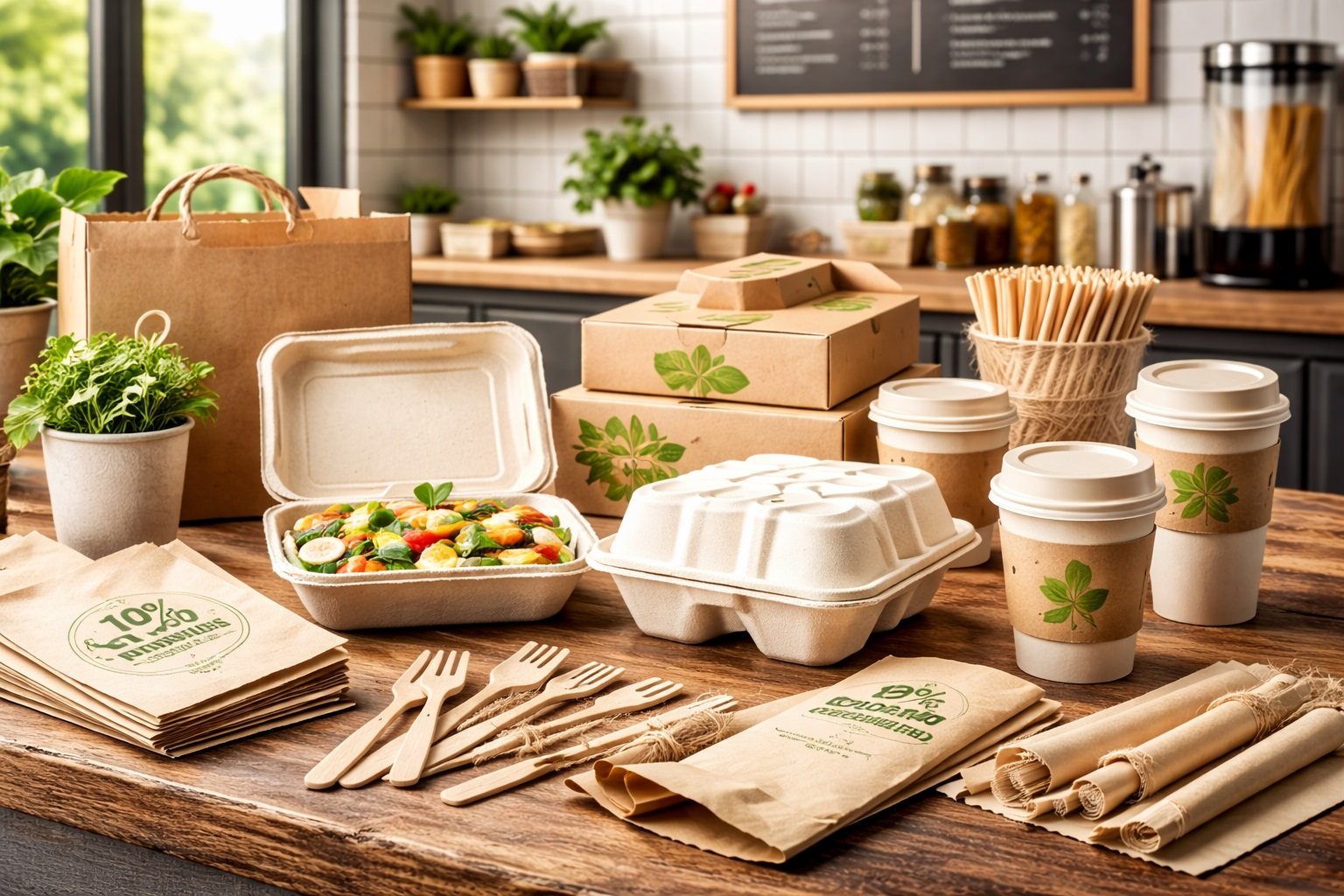
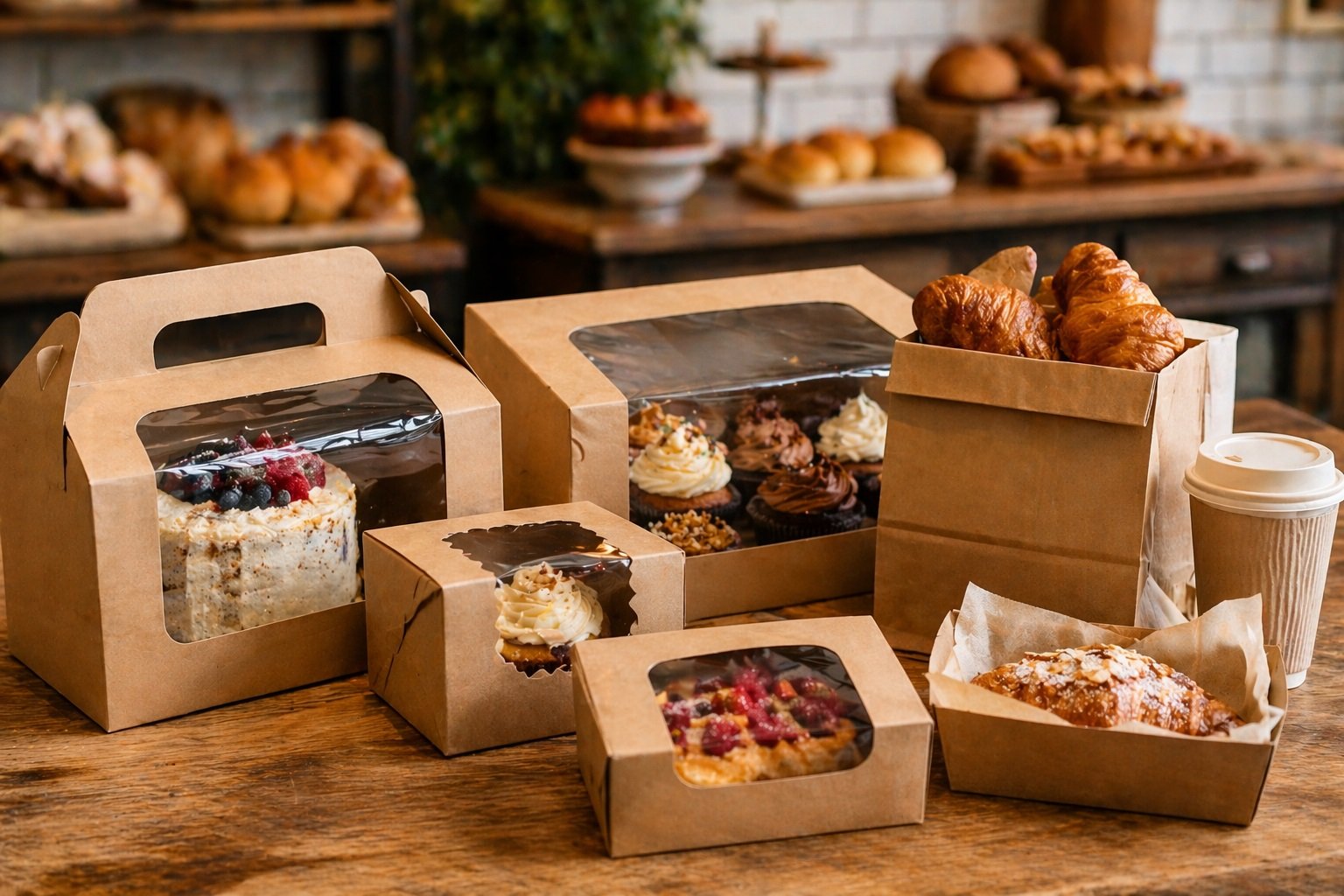
For a city like Philadelphia, where local businesses are embracing sustainability, food packaging for restaurants must rise above the ordinary takeout boxes. Under the scrutinizing demands of eco-conscious diners, the hospitality sector has no choice but to prioritize purpose with functionality. Eco-friendly food packaging is among the most preferred solutions that bring impactful changes in the ecosystem. Particularly, paper-based options featuring compostable, recyclable, and biodegradable materials are ultimately the most practical and responsible alternative to plastics. Many restaurants collaborate with local mills and suppliers to develop innovative packaging designs and scalable solutions that meet their operational needs. This collaboration reduces the environmental footprint while preserving the quality and presentation of the food. The guide highlights how food packaging Philadelphia has made deliveries easy while balancing durability, affordability, and environmental responsibility. What are the Different Eco-Friendly Food Packaging Options? Kraft Paper or Paperboards This type of sustainable food packaging for restaurants is made from post-consumer or post-industrial waste fiber. They are known for their grease and moisture-resistant characteristics. However, their capabilities fall short when faced with heavily greasy or wet food. Some Kraft papers come with no coatings at all. They have high printability, are affordable, and suitable for holding dry foods, sandwiches, or bakery items. Molded Fiber The molded fibers are derived from recycled paper, cardboard, or agricultural residues, including feedstock. The pulp extracted is converted into sturdy containers, trays, and protective inserts that can handle hot or bulky foods. However, molded fiber is not acceptable in curbside bins; rather, it should be composted by municipal programs or commercial setups. They are not microwavable and cannot tolerate moisture unless lined. Bagasse Containers The main ingredient in this food packaging for restaurants is bagasse, a by-product of sugarcane. The pulp is made into durable plates, bowls, and clamshells. The container is ideal for hot entrees, messy foods, and full-course takeouts. They require commercial compostable facilities and may cost more than plastic. Also, they may not be available in every region, and the quality of each supplier differs. Bio-Based Liners Wax or Water-Based Serviceware Water-based coatings are a newer innovation that have increased resistance to oil and moisture. It is designed to remain recyclable and compostable in extreme conditions; however, they must be chosen carefully as they can disrupt recycling streams. Why Restaurants Adopt Eco-Friendly Packaging? Customer Expectations Nowadays, diners, especially the younger crowd, are drawn to businesses whose operations are based on sustainability. Food packaging for restaurants is a way of showing their commitment to environmental responsibility. Branding and Competitive Advantage Over time, eco-friendly food packaging becomes part of the business’s narrative. It positively influences the brand’s image and attracts eco-conscious customers. Additionally, these solutions encourage positive customer referrals and foster favorable engagement across digital platforms. In crowded markets, sustainable food packaging Philadelphia grants diners the visibility they need to stand out among the vast pool of competitors. Local Regulations Many state and local governments have imposed bans on single-use food packaging Philadelphia. In situations of non-compliance, the responsible party will incur heavy fees and penalties. In some jurisdictions, suppliers or retailers are being held responsible for the use of plastics, thus effectively compelling restaurants to opt for eco-friendly food packaging. Cost Dynamics There is an argument in the market that the per-unit cost of eco-friendly food packaging is higher than that of plastic counterparts. However, looking at it from a wider angle, the businesses can save through reduced waste fees and lower disposal expenses. Furthermore, collaborating with local mills and suppliers, restaurants can save time, lower their transportation costs, and benefit from bulk-order discounts. Operational Efficiency and Safety The latest technologies are bringing innovations in eco-friendly food packaging. The modern designis leak-proof, easily stackable, and equipped with insulation to protect the food. Such developments make the containers more delivery-compatible, reducing the chances of spills and complaints. These innovations become part of the workflow once standardized, hence employees do not need to be specially trained for handling. Environmental Impact and Accountability Paper-based products, with their compostable and recyclable components, reduce greenhouse emissions and plastic pollution. Additionally, the municipalities have introduced many waste collection and disposal initiatives. These programs greatly help restaurants meet sustainability goals by channeling the discarded materials away from landfills. Supply-Chain and Local Economic Stability Forming partnerships with local suppliers of eco-friendly food packaging leads to reliable supplies. There are fewer shipping delays, and suppliers readily customize sizes or prints even if the ordered quantity is less. Furthermore, buying locally strengthens the community, deepens business relationships, and builds goodwill. A Local Provider for Restaurants Supporting Sustainability American Eagle Paper Company Inc. brings you reliable, eco-friendly food packaging that elevates your restaurant’s efficiency, presentation, and cleanliness. Our team of experts is here to cook up designs and streamline options that will give your business the competitive edge it needs to stand out in the market.

How Local Packaging Companies Support Philadelphia
Business
ahmer

How Local Packaging Companies Support Philadelphia’s Growing Catering Industry

What if I told you that behind every flawless wedding spread, corporate lunch box, or a quick Take away in Philly, hides a dragon. There’s a quiet revolution happening in the backrooms of local packaging companies. Philadelphia’s catering world is buzzing like a hive of Italian bees at Terminal Market: vibrant, diverse, and always hungry for more. The city’s catering industry has exploded in recent years, but in a good way. Let’s be real though, none of this magic happens without the right packaging. Local packaging companies aren’t just suppliers; they’re the backbone keeping meals fresh, sustainable, and picture-perfect. Boom in Philadelphia’s Catering Scene Philadelphia has always been a food lover’s paradise, but the catering side? It’s gone from steady simmer to full-on boil. The corporate and social life got a new upgrade post pandemic. People are now coming back to offices, for regular meetings and work day. They lack of human connection, gatherings, and eating out together is valued like never before. According to industry reports, the U.S. catering market hit $60 billion in 2023. Why Catering is Thriving Here Philly’s melting pot of cultures. Food trucks, vendors, and local businesses are blending soul food with Korean BBQ, halal carts, and Italian hoagies. Neighborhoods like Fishtown and South Philly are hotspots for pop-up events. Convention Center keeps corporate gigs rolling. And the small businesses, are accommodating the family events and festivities. This diversity demands adaptability. Local caterers are delivering, often on tight timelines and budgets. But here’s the twist in all the fairy tale, growth brings growing pains. These local caterers juggle everything from sourcing local ingredients to navigating traffic for last-minute drops. And packaging? It’s the silent partner that can make or break a gig. Challenges That Keep Caterers Up at Night Ever watched a caterer sweat over transport? It’s not just about taste, much of it includes safe logistics. Philly’s unpredictable weather, from humid summers to icy winters, tests every seal and fold, literally!   Then there’s the eco-angle: clients want green options, but affordable, sturdy ones are tough to find. Plus, with rising costs, caterers can’t afford waste, food or materials. Enter local packaging pros, who get the lay of the land like no national chain could. Unsung Heroes: Local Packaging Companies A South Street warehouse humming with machines churning out compostable trays, or a Kensington shop sketching bespoke designs for a bride’s dessert towers. Companies like Philadelphia Packaging Solutions are not flashy, but they’re essential. They tailor everything from insulated bags for hot pastrami to elegant sleeves for artisanal cheeses. It’s personal, these folks know a Center City rooftop party needs stackable, lightweight gear that won’t wilt in the heat. Custom Solutions Tailored for Philly Caterers Customization adds magic in everything there is no denying it. Local firms collaborate closely with businesses, often visiting kitchens to understand workflows. Need compartments for a multi-course meal? How about keeping it stylish, practical, and warm? It can all happen in one thoughtful box! For those high-volume events, reinforced boxes handle the weight without bulging a bit. And do get us started on branding. The subtle stamps, a quick nugget, joke or a window that tease the content inside. These small yet brilliant ideas turn a simple to-go package into a marketing win, best deal for small businesses. It’s this hands-on vibe that saves time and sanity. Also, it gives the room to caterers to focus on what they do best: feeding souls. Looking Ahead: A Packaged Future for Philly Catering As Philadelphia’s scene evolves. We anticipate more tech like app-ordered feasts or drone deliveries; packaging will adapt too. In future, expect smarter materials such as antimicrobial coatings for buffets and QR-coded boxes linking to allergen info. Local companies, nimble and innovative, are well-informed and leading the change. They’re not just supporting growth; they’re shaping it, ensuring every catered bite arrives as intended, fresh, fabulous, and full of that unmistakable Philly flavor. In the end, it’s about community. Catering feeds our gatherings; packaging keeps them seamless. Next time you’re at a backyard bash or boardroom brunch, raise a fork (in its eco-sleeve) to the locals making it all possible. Philly’s catering world? It’s wrapped up tight and ready for whatever comes next.

Eco-Friendly Catering Products from Philadelphia’s Trusted Packaging Companies
Business
ahmer

Eco-Friendly Catering Products from Philadelphia’s Trusted Packaging Companies

In an era of environmental responsibility, eco-friendly catering products have taken center stage. They are modern choices that are redefining how food is presented, served, and enjoyed. As sustainability becomes an increasing priority for customers, the caterers and curators are seeking Philadelphia packaging companies that blend innovation with responsibility. Notably, the solutions of the leading firms not only protect the planet but are also uncompromised in their quality and function. These forward-thinking designs include biodegradable cutlery, compostable plates, and recyclable cups. Plant-based containers and water-based inks are also examples, which keep the food safe and fresh. They are produced in reusable systems and ethical practices that aim to lower the environmental footprint. What are Eco-Friendly Catering Products? People commonly believe that a green mark indicates the catering product is environmentally friendly. However, this is not the case. The following are some attributes that help in minimizing the environmental impact in their own stages: Manufacturing The production of eco-friendly catering products avoids the use of finite fossil fuels. Instead, it depends on rapidly renewable materials like: Designing The catering products are designed in a way that they can be easily: Resource-Efficiency Through water, energy, and chemical conservation, the mills actively work toward decreasing carbon emissions from production. They also avoid incorporating toxic coatings, heavy inks, and other substances that can affect the composting and recycling systems. Furthermore, Philadelphia packaging companies opt for products that use fewer materials per serving, reducing both waste output and resources required for transportation. Why are Sustainable Catering Products Beneficial? Limits Environmental Effects Plastic packaging made from traditional materials decomposes over a course of hundreds of years, and often ends up in oceans or landfills. This is why sustainable catering products have been introduced. Since they are made from renewable or compostable materials, they can easily break down within a few weeks. The biodegradable and compostable alternative creates opportunities to mitigate plastic pollution, lower carbon emissions, and reduce waste generation. Supports Circular Practices The green catering products are based on a circular economy, which holds the principle of collecting used materials and returning them to nature or recycling them into new products. For instance, the facilities process compostable trays and cups into nutrient-rich soil rather than disposing of them as trash. This mindset lessens the reliance on virgin resources, fostering a continuous cycle of creation, reuse, and renewal. Responds to Market Preferences The modern event guests, corporate clients, and everyday diners have become more eco-conscious than ever. They support those brands that integrate environmental values in their operations. Follows Environmental Standards Single-use plastics have been banned in many regions. The caterers have to choose an eco-conscious approach to remain compliant with regulations. They do so to avoid fines and costly last-minute changes to their plans. They also form partnerships with Philadelphia packaging companies to meet the region-specific standards of composability and recyclability. In this way, their business can ensure accountability and position itself for long-term success. Promotes Brand Identity and Commitment Clients do not see plant-based utensils, wooden cutlery, and recyclable holders as just modern alternatives. Instead, such efforts communicate integrity and genuine care for customers and the climate. These measures turn everyday meals into a statement of purpose that customers associate with quality, ethics, and progress. Catalyzes Industrial Change Sustainability creates a rippling effect within industries. Once caterers start choosing the greener alternatives, suppliers, venues, and planners all follow suit. As a result, this influence stimulates demand for high-performance materials, advanced technologies, and efficient waste management systems that work together for a cleaner tomorrow. What are the Common Earth-Friendly Catering Products? Trays and Clamshells Molded-fiber trays and clamshell catering products are known for their heat-resistant and compostable capabilities. They get their strength from bagasse, wheat straw, or recycled paper. Plates and Bowls These sturdy articles are made from palm leaves and bamboo, which gives them a visually distinctive edge.  Cutlery and Cups The ingredient plant starch is ideal for cold items; however, the heat consistency of such catering products varies. Containers Bagasse-based containers embedded with separator layers and compost labels are suitable for hot foods.  Other Catering Products How are Philadelphia Packaging Companies Innovating? An Eco-Friendly Philadelphia Packaging Company If you are seeking catering products that benefit your offerings, customers, and the environment, American Eagle Paper Company Inc. is the right choice for you. Our comprehensive services include product packaging, custom designs, and janitorial services that contribute to a positive impact in their own way.

Smart and cost-effective packaging strategies for efficient and sustainable solutions
Small Business Tips
admin

Cost-Effective Packaging Strategies

In the modern competitive business environment, packaging is not merely an aesthetic aspect; it is vital for product protection, brand awareness, and customer satisfaction. However excessive packaging costs can erode profit margins, and thus, businesses need to seek cost-efficient packaging solutions. Choose Affordable Packaging Solutions One of the simplest cost-cutting measures is to switch to cost-friendly packaging solutions that do not mean compromising on quality. Rather than using premium or bespoke packaging for all products, companies can seek more economical alternatives. Standard packaging reduces manufacturing and storage costs, while light-weight materials like corrugated cardboard or bioplastics lower shipping costs. Versatile packaging forms, like pouches and vacuum-pack bags, are also less material and space-intensive and hence a cost-effective option. Leverage Wholesale Packaging Materials Purchasing wholesale packaging materials is a proven strategy for cutting costs. Purchasing in bulk enables companies to take advantage of economies of scale, making the per-unit cost cheaper. In order to maximize wholesale packaging procurement, companies should work with trustworthy suppliers in order to get a better deal. Selecting packaging materials that give discounts for bulk orders and considering alternative suppliers can also help save money. Sourcing directly from manufacturers to eliminate unnecessary middlemen also minimizes costs. Adopt Sustainable Packaging Alternatives Sustainability is more than a buzzword; it is a realistic means of decreasing packaging expenses in the long term. Sustainable packaging options tend to be lightweight, recyclable, and inexpensive. Companies can integrate recyclable content, biodegradable or compostable packaging, and minimal designs to decrease manufacturing and disposal costs. Promoting reusable packaging also reduces waste and increases customer brand loyalty. Optimize Packaging Design to Reduce Costs A carefully considered package design can play a huge role in material costs and efficiency. Cutting packaging expenses begins with right-sizing packaging, which means that boxes and containers are sized just right to eliminate material waste and shipping costs. Multi-functional packages that perform a dual function, like storage or promotional purposes, can add value without extra cost. Digital printing also provides greater flexibility and less expensive branding options than traditional methods. Improve Supply Chain Efficiency An efficient supply chain management system ensures that packaging costs remain under control. Optimizing the supply chain helps businesses minimize waste, storage costs, and unnecessary expenditures. Automated packaging systems reduce labor costs and increase packaging speed, while just-in-time (JIT) inventory management helps keep packaging inventory lean, reducing storage costs and preventing waste from outdated materials. Strategic supplier partnerships that offer flexible pricing and timely deliveries also prevent disruptions and excess costs. Reduce Shipping Costs Through Smart Packaging Shipping costs tend to be an invisible expense of packaging. Companies can minimize shipping costs by utilizing light packaging materials to reduce weight in transport and choosing tight, space-saving designs that limit dimensional weight charges. Consolidation of shipments also saves on individual packaging requirements, thus resulting in total cost reduction. Utilize Digital Technologies for Packaging Optimization Technologies like AI-based packaging optimization software and 3D printing have the potential to slash costs by a great deal. AI-based packages of software assist companies in studying packaging efficiency, minimizing wastage, and more accurately anticipating future packaging requirements. 3D printing facilitates instant prototyping and customization, which lowers mold manufacturing costs and saves on unnecessary use of excess materials. Deploying digital technologies provides cost reduction along with top-class packaging. Train Employees on Cost-Effective Packaging Practices Employee training is essential in maintaining low packaging costs. The employees should be trained on cost-effective packaging methods, minimizing wastage, and effective handling of materials. Training the employees regularly enhances efficiency, reduces errors, and encourages a cost-saving culture within the company. Implement Returnable Packaging Systems Returnable pack systems, which include reusable boxes and containers, can assist enterprises in reducing packaging costs in the long run. These systems suit industries that require large shipments to be handled on a regular basis, including retail, logistics, and manufacturing. With the help of long-life returnable packages, companies reduce the use of disposable materials, thus saving more money. Monitor Packaging Performance and Make Data-Driven Decisions Firms must regularly monitor packaging performance using KPIs such as material cost, waste level, and shipping efficiency. Using data analytics, firms can identify areas of optimization and make informed decisions about packaging design, material choice, and supply chains. Regular performance monitoring ensures constant cost savings and process enhancement. Conclusion Implementing cost-effective packaging solutions requires a strategic approach that balances affordability, efficiency, and sustainability. By leveraging affordable packaging solutions, investing in wholesale packaging materials, adopting sustainable packaging alternatives, and focusing on efficient supply chain management, businesses can significantly reduce packaging costs while maintaining product integrity and customer satisfaction. Smart packaging strategies not only save money but also contribute to a greener and more sustainable future.  

What Materials Are Used in Reliable Green Packaging?
Green Packaging
admin

What Materials Are Used in Reliable Green Packaging?

Are there cost differences between traditional and green packaging materials? In an era where environmental concerns are becoming increasingly prominent, businesses and consumers alike are shifting towards sustainable practices. Packaging, in particular, has been under the spotlight due to its significant impact on waste generation. The importance of really reliable green packaging is no longer a choice; it is a necessity; knowing the materials that would be their effectiveness is as much essential. This blog discusses the various materials for efficacious green packaging in making that sustainable future. The Importance of Reliable Green Packaging Reliable green packaging refers to packaging solutions that are eco-friendly, sustainable, and capable of reducing the negative impact on the environment. Unlike traditional packaging materials like plastic, which contribute to pollution and are slow to degrade, green packaging focuses on using materials that are renewable, recyclable, compostable, or biodegradable. By adopting these materials, businesses can reduce their carbon footprint and appeal to environmentally conscious consumers. Sustainable Packaging Materials Reliable green packaging consists of sustainable packaging materials. They are obtained from responsible sources and often from renewable resources. Paper and cardboard, for example, are commonly used because they can be recycled and biodegradable. They are versatile, durable, and applicable to any form of packaging-from boxes to protective wraps. Glass is another sustainable material. It is 100% recyclable without losing quality, making it perfect for long-term use. Glass is heavier than other materials but is very strong and safe for packaging food, beverages, and cosmetics. Moreover, innovation in lightweight glass manufacturing is reducing its environmental impact. Eco-Friendly Packaging Options Novel applications have realized eco-friendly solutions other than raw materials; some promising innovations include plant-based plastics such as bioplastics. Derived from renewable sources, these include cornstarch, sugarcane, and potato starch. While they mimic the properties of conventional plastics, they break down more easily and have a smaller environmental footprint.   Biodegradable Packaging Materials Biodegradable packaging materials are meant to break into innocuous substances upon disposal in the correct environment. Polylactic acid (PLA), one of the bioplastics made from cornstarch or sugarcane, is readily used for compostable cups, trays, and containers. Taken under industrial composting conditions, all the products of these materials decompose within a few months, thus aiming to replace conventional plastics. There are various other materials, such as seaweed packaging, which are currently drawing attention in the name of a new approach to biodegradability. Seaweed is abundant, renewable, and decomposes quickly, making it a promising material for food wraps and pouches. Recyclable Packaging Solutions Recyclable packaging solutions prioritize materials that can be reprocessed and reused multiple times. Aluminum, for example, is one of the most recyclable materials available. It is lightweight, resistant to corrosion, and endlessly recyclable without losing its properties, making it an excellent choice for beverage cans, food containers, and more. Paper-based solutions, such as kraft paper not quite ready for composting yet, but corrugated cardboard itself, very recyclable. When less, or no plastic, coating is applied, these kinds of materials can, without difficulty, get back onto the production cycle. Clear labeling and consumer awareness would ensure proper recycling. Compostable Packaging Materials Compostable packaging materials undergo further processes from being just biodegradable. Unlike just breaking down, they also add nutrients to the soil while decomposing. Materials for creating compostable plates, bowls, and trays are most common: bagasse, an industrial byproduct of sugarcane processing. Bagasse is suitable for hot and cold items because it is heat-resistant and sturdy. A second example is cornstarch-based packaging. This material source is used to produce compostable cutlery, oil bags, and totally compostable containers. It has zero-totally toxic residue after disposal in composting facilities. Such items work perfectly within zero-waste objectives. Challenges in Adopting Green Packaging Materials Despite the numerous benefits, green packaging materials also have some drawbacks. It is costly; prices for sustainable materials tend to be on the higher side compared to the traditional ones. Another aspect is that the composting and recycling facilities were not available in most places. Consumer behavior also comes into play. People do not know how to properly dispose of green packaging materials. This diminishes pollution in the recycling streams or in poor composting. Firms have to invest in consumer education and be transparent about the packaging as well. The Role of Businesses in Promoting Reliable Green Packaging Businesses have a pivotal role in advancing reliable green packaging. By choosing eco-friendly materials Being exemplary in their trade, they demonstrate sustainable practices towards materials and endowment. The organization can make communications transparent about their materials used along with instructions in disposing of products, which calls for informed behavior from consumers. Among these companies, The American Eagle company is a committed firm towards delivering reliable green packaging solutions. They employ a combination of biodegradable, recyclable, and compostable materials and thereby cater to the wide-ranging needs of their clients in a manner that decreases environmental impact. The consistency by which The American Eagle remains focused on environmental sustainability helps reduce wastes but also supports a circular economy, where materials are reused and repurposed instead of being discarded. By choosing The American Eagle, businesses and consumers can contribute to a greener planet while enjoying high-quality packaging solutions. Businesses and consumers, then, would enjoy high-quality solutions in packaging under the umbrella of this great contribution for a greener planet. Conclusion The provision of reliable green packaging will be one step closer to making the future green. With businesses like The American Eagle leading the charge, the transition to sustainable packaging is becoming more achievable. Embracing these solutions today ensures a healthier planet for future generations.