Blog

Author: ahmer

From Paper Mill to Table- The Lifecycle of American Eagle Packaging
Uncategorized
ahmer

From Paper Mill to Table: The Lifecycle of American Eagle Packaging

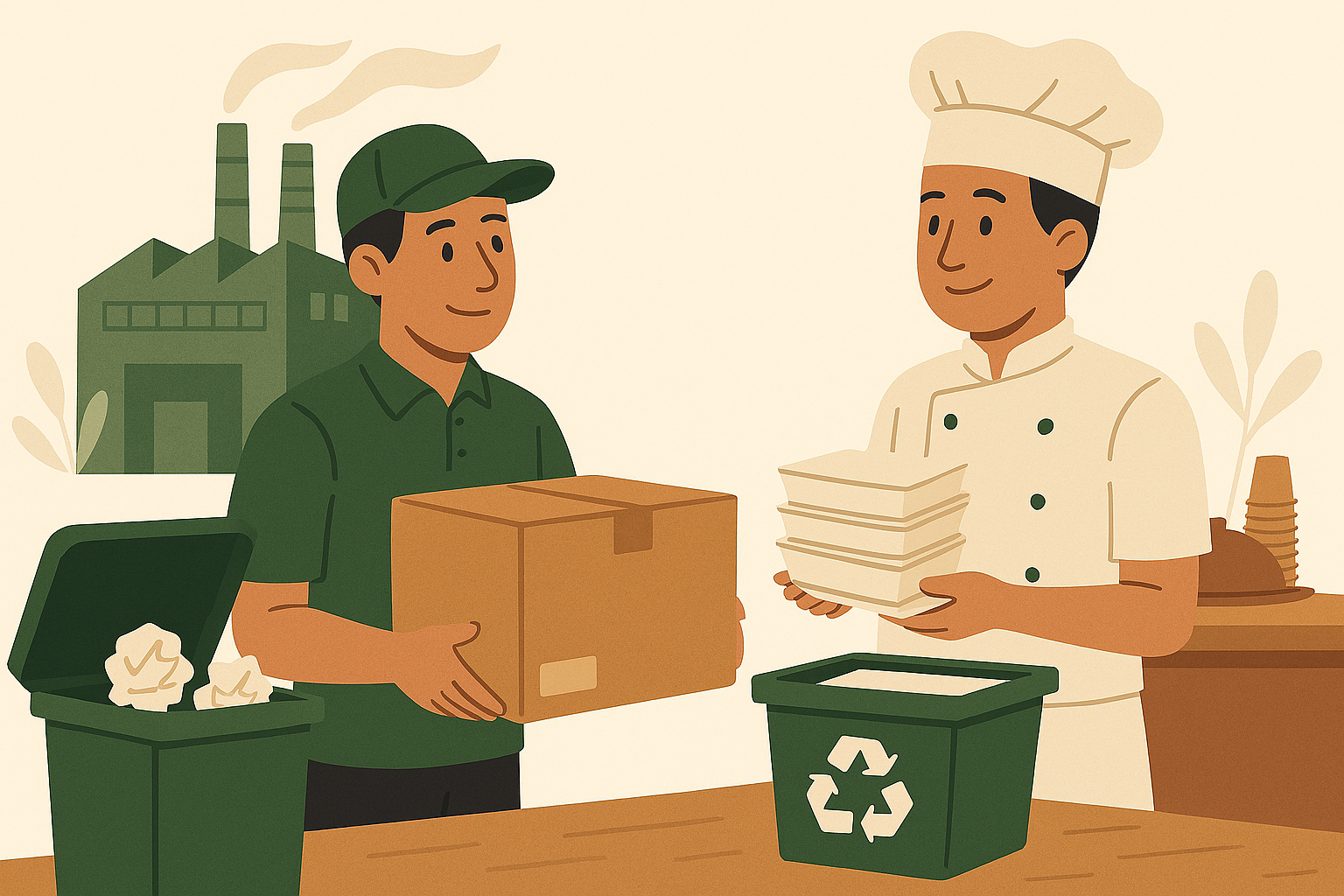
In today’s consumerist, high-velocity economy, companies use packaging as the indispensable element of how they secure, package, and ship goods. A far too uncelebrated hero of the process is the humble pizza box. Which has a surprisingly convoluted path to your front door. To companies like American Eagle Paper Company, the life cycle of packaging is not merely a business function. It is a very engineered process that begins in the paper mill and ends at your table. Merging sustainability, precision, and purpose step by step. The Birthplace: Inside the Paper Company Every great pizza box begins in a paper mill, where raw materials are transformed into high-quality paperboard. With American Eagle Paper Company, the process starts with recycled material and sustainably sourced pulp. As a trusted paper company, they prioritize environmental stewardship without compromising on strength or usability. The pulp is cleaned, pressed, and dried into paper sheets that will someday become the basis of millions of packaging products. At this stage, we have already made decisions regarding thickness and durability. Especially if the final product has to withstand heat, grease, and transportation stresses, as in the case of pizza boxes. Using the Correct Grade of Papers in Paper Company After paper sheet production, the sheets then go through additional treatment to conform to varying packaging specifications. Not all papers are equal, and a pizza box must strike an ideal balance between insulation, folding, and environmental responsibility. American Eagle Paper Company engineers work with food customers to develop grades to satisfy both performance and regulatory standards. In addition to being food-safe grade, customers typically prefer that the box be brand-friendly. The surface must be able to support printed logos and promotional messages. For this purpose, they add coatings and finishes that render the surface ideal for printing colored, high-quality images without compromising the recyclable nature of the box. Cutting and Shaping the Paperboard Once the factory creates the perfect paper grade, the process moves into cutting and forming. Workers cut the large rolls into sheets of a manageable length. Afterwards, they are then die-cut into the forms we know as typical of a pizza box. They perform this task on high-speed equipment and with razor blades to ensure that each crease and fold fit together exactly for quick assembly. The firm takes pride in managing this stage as smoothly as possible. Punctuality is everything, especially when it comes to national restaurant chains that rely on standard packages to ensure product quality and branding. Printing and Branding the Packaging in Paper Company First impressions matter in a competitive market. The box is more than just a package. It is a billboard for the food-delivery company. Here, in this stage of the life cycle, the box passes through high-tech printers that add company logos, mottoes, and possibly even fun trivia or QR codes to facilitate interactive experiences. This is the most specialized part of the process that is reliant on client specifications. A few businesses opt for simple one-color prints to ensure cost-effectiveness, while others opt for full-color prints to deliver a message. With a business like American Eagle, which is very flexible, clients are provided with many printing options that can suit small and large batch orders. Folding, Gluing, and Final Assembly Now that the printing is completed, we convert the flat sheets into functioning boxes. Automated folding machines give the box its typical shape, applying glue where needed and scoring the folds for easy grip. This is a fast-moving assembly line, but keep an eye on the quality along the way for structural integrity. No customer wants a wobbly or collapsing box. For American Eagle Paper Company, every product has to pass durability tests that show the quality aspect of the brand image. Paper Company’s Distribution and Supply Chain Coordination After they assemble the boxes, they bulk the boxes and send them in bulk to customers across the country. That is where efficient supply chain management plays its part. They stack the boxes in batches to save space while still in their shape. They time deliveries to fit in with the aggressive schedules of food companies, which typically use just-in-time inventory. The Customer Experience at the Table When a pizza box finally arrives at the front door or dinner table of a person, few people think about its journey. All of it, however, from the fold of the lid to the piercing branding, is part of the customer experience. A box that keeps the food warm, retains the grease, and offers a clean, neat presentation enhances the meal and makes the restaurant look better. For businesses, this contact point is one of their last chances at a lasting impact. A well-designed box can enhance satisfaction among customers, promote repeat orders, and even create social media buzz when the box is image-retentive. Recycling and Return to the Paper Company The packaging life cycle is finalized when the packaging is recycled. A few pizza boxes, especially those covered with uncoated or lightly coated paperboard, are recyclable if they are not overly greasy. American Eagle Paper Company designs its packaging to be recyclable, closing the loop and reducing waste. Recovered fiber will eventually return to the mill, where it will start all over again in an environmentally friendlier form. In this way, each pizza box is not only a product but also a participant in a circular economy that benefits both the environment and the businesses that depend upon it. Conclusion From raw material to plate, the life cycle of packaging is a story of innovation, precision, and eco-friendliness. Step by step, American Eagle Paper Company ensures each box it produces meets the functional and branding needs of today’s businesses without sacrificing nature. Their high-quality products, like the dependable pizza box, are the result of decades of service as a leading paper company. For business ventures that seek to deliver value, reduce waste, and even better, improve your business credit via good vendor partnerships, it is a sound, strategic decision to

How Recyclable Packaging Is Transforming the E-Commerce Industry
Uncategorized
ahmer

How Recyclable Packaging Is Transforming the E-Commerce Industry

The shift in the buying industry was first witnessed during COVID-19. Consumers had to buy products online, and then got too comfortable with the mode. With this change, the packaging industry evolved from plastic, Styrofoam to sustainable choices. Again, COVID-19 opened the eyes of the inhabitants of the earth to watching the world heal. The ecommerce industry and Zoom meetings have stayed constant in the post-COVID times. Since then, people have been conscious about their choices. They are more considerate towards their footprint on Earth. The plastic and non-biodegradable packaging is frowned upon. People take pride in reusing and repurposing the packaging materials. With that change, the recyclable packaging industry took strides toward change. Revolution In Recyclable Packaging for E-Commerce The e-commerce market has more climate-conscious customers than the traditional retail market. They don’t expect their online order packaging to be harmful to nature. A paper-based box is a smart choice for clean and biodegradable packaging. Recyclable Packaging Gives Less Waste, Happier Planet The e-commerce market has lost its reputation among many climate enthusiasts due to a lot of packaging waste. Every order from any e-commerce store needs some form of wrapping. However, when this packaging can’t be recycled, it adds to landfills. Paper boxes/tape and cardboard inserts degrade quickly. Plastic mailers and bubble wrap, on the other hand, don’t break down as easily. Recyclable packaging is, without a doubt, the future of biodegradable solutions. Big Brands Are Changing With Recyclable Packaging You can find that many major e-commerce brands are upgrading their packaging. Recyclable mailers and boxes are the preferred solutions for them. However, some of these brands use paper-based padding instead of foam. This step also cuts down on plastic use. Cost-Effective In the Long Run There are many companies that worry about sustainable packaging pricing. They assume that recyclable packaging for e-commerce products will be expensive. However, on the contrary, paper-based materials are not hard to source. Furthermore, they are also lighter in weight, which helps lower shipping costs. The bulk purchases of recyclable materials cut down overall packaging costs even more. Easy To Design and Print Paper-based packaging is simple to customize. Brands can print their logos and colors directly on the box. They don’t need extra plastic labels. This helps companies deliver a clean and professional look. It also gives a more natural feel. Customers also prefer this type of packaging. Simple designs look neat. Additionally, they are also easier to recycle since there are fewer mixed materials involved. Regulations Are Getting Stricter Governments are passing rules to reduce waste. Some cities have banned plastic packaging. Others charge hefty fees for non-recyclable items. Using recyclable packaging helps companies avoid fines. It also keeps them ahead of future laws. It’s a smarter choice for them to switch now rather than wait more. Brands that act early can set better packaging standards. Better Storage and Shipping Paper boxes stack better. They consume comparatively less space in warehouses. This helps reduce shipping trips and fuel use. Moreover, safe and smart packaging means fewer returns from damaged goods. This smart approach also saves money and keeps customers happy. Young Shoppers Demand It Many younger buyers look at a brand’s values. They like to shop from online stores that put more emphasis on nature. When they see recyclable packaging, they feel good about their choice. Brands that listen to this target group grow faster. They earn loyalty and get shared more on social media, which is not a hidden secret. Recyclable Packaging Creates Jobs It is obvious that making recyclable paper products also supports local jobs. Paper mills, like those in Philadelphia, hire skilled workers. These jobs help build local communities. Every paper box used supports a chain of people. From the factory to the truck driver, everyone plays a role. Choosing paper over plastic supports these efforts. It also helps businesses in the United States stay strong. Easy to Reuse at Home Customers often reuse paper boxes. They store toys, clothes, or tools in them. It is very common for people to use these as a substitute for gift wrappers. A reusable box stays useful even after the product is gone. This gives more value to the packaging. It also shows the brand cares beyond the sale. Paper Is Renewable We all know the fact that paper is sourced from trees, and those trees can be planted again. The company-run forests keep growing back over time. Packaging (paper-based) is recyclable up to as many as seven times. Simple Recycling Process Recycling paper is easier than recycling plastic. Most homes already have recycling bins for paper. Customers don’t need to sort special materials. They can simply toss paper boxes in the garbage dump. The ease of recycling paper means more people will be able to recycle it. Final Thoughts The e-commerce market growth appears unstoppable at the moment. Recyclable packaging for e-commerce is already making a positive impact on the environment. Many e-commerce businesses are switching to sustainable packaging. Renowned paper mills like American Eagle Paper are leading this change. They are best known for their strong, clean, and recyclable paper solutions that help the world breathe easier.

Essential Paper-Based Restaurant Supplies Every Food Business Needs in 2025
Uncategorized
ahmer

Essential Paper-Based Restaurant Supplies Every Food Business Needs in 2025

The packaging and cutlery are used in packing these orders. However, restaurants have to pay heed to the customer’s preference for to use of biodegradable restaurant supplies. In today’s world, the food business has become a growing industry. Social platforms like Instagram, YouTube, Snapchat, etc., are major contributors to the ever-increasing fame. Furthermore, demanding schedules make it hard for people to prepare meals at home. Innovations in technology enable such consumers to order takeout and deliveries at any time and from any location. Therefore, every food establishment nowadays is equipped with supplies to ensure quality service for both in-house service, delivery, and takeaways. The packaging in delivery and takeaways is an essential factor to keep the food fresh. Incorporating eco-friendly restaurant supplies enhances both presentation and hygiene. Sustainable practices strengthen economic resilience and positively impact the community’s well-being. Paper-Based Restaurant Supplies and Their Varieties They are disposable or semi-disposable restaurant supplies. Primarily made from paperboard and often crafted from renewable resources like sugarcane pulp. These are famous for being compostable, recyclable, and biodegradable. Their application commonly lies in the preparation, service, and packaging of cuisines. A range of supplies is quite extensive; here are some of the varieties with their uses: Restaurant Packaging and To-Go Solutions Hospitality Service Items Sanitation and Operational Supplies Perks of Adopting Plant-Based Restaurant Supplies Every good thing comes back to you and people around you in some way. Here are some uses of adopting better supplies. Low Impact and Eco-minded The government and consumers are pushing towards the curtailment of plastic dependency. They aim to elevate paper as a smarter, long-term choice. Many paper items naturally decompose, leading to less landfill waste accumulation. Thus, making them recyclable, unlike other alternatives like plastic. Supports Positive Brand Image It is a great way to market the brand and align with the values of eco-conscious customers. A well-designed restaurant supply can spark customer conversation and loyalty. If the style is ‘Instagrammable,’ it can be showcased on social media posts, boosting engagement. Flexibility in Customization Printing the logo, slogans, QR codes, and brand message is highly recommended to increase brand visibility. Such personalization functions as a mobile billboard, advertising the brand with no additional costs. Cost-Effective and Accessible Paper products are comparatively cheaper than high-grade plastics and other reusables. Many local and international suppliers have options for bulk purchases, cutting down per-unit costs. Food Safety and Durability The packaging is compliant with food contact material regulations. In short, the products are certified as suitable and non-toxic for containing edibles. They are grease-proof and have water-resistant linings while conserving freshness, temperature, and hygiene. Portability and Convenience Paper-based restaurant supplies are easy to grip and carry for staff and customers alike. They are stackable, optimizing limited space for storage and streamlined logistics. To suit all types of consumables, various forms of containers and carriers are available. Facilitates Adherence Laws Many regions are banning the use of plastics in industry. By switching to paper, one can stay ahead of protocols and evade any violations and penalties. Consumer Preference There is a growing expectation for businesses to prioritize sustainable packaging options. Despite the premium, customers gladly prefer compostable choices. Downsides and Countermeasures Every decision comes with a drawback. Here are some critical considerations that require careful attention, Susceptible to Moisture Once exposed to liquids or high humidity, the disposable essentials might weaken and disintegrate. To store soups and cold items, use wax-coated, laminated, and PLA-lined containers. Heat Endurance Threshold Some paper supplies lose integrity at high temperatures. They might not withstand the ferocity of ovens and microwaves. Choose thermal-resistant and bake-safe paperware. Storage Conditions Store the supplies in a cool and dry place. A damp and poorly ventilated inventory space can cause warping and mold buildup. Legal Noncompliance Many paper products are not always compliant with eco-packaging laws. Future-proof your operations to safeguard against disruptions by attaining certifications and eligibility grades. Structural Load Bearing Capacity There are chances of collapse when preserving heavy or oily meals. Use a double-walled or reinforced option for heavier and greasy contents. Lack of Clarity There is a common misconception that all plastic-coated items are green-certified. Ink Safety Considerations Some printing inks leak and spill on the food, making it harmful and unsanitary. A Prominent Elective Partner with American Eagle Paper Company Inc. for a greener and more eco-friendly tomorrow. We deliver custom packaging solutions, quality supplies, and innovative designs that optimize your product’s appeal. We offer efficient leak-proof packaging that saves you time and resources. Conclusion By embracing paper-based restaurant supplies, owners can reduce their ecological footprint. It is a way to enhance its popularity by meeting modern eco-aware consumer needs. All these initiatives are a way to support global sustainability efforts.

Sustainable Catering Packaging Solutions and Eco-Friendly Options That Impress Clients and Reduce Waste
Uncategorized
ahmer

Sustainable Catering Packaging Solutions: Eco-Friendly Options That Impress Clients and Reduce Waste

Nowadays, catering packaging has evolved into a whole new service sector. It has integrated culinary art, technology, sustainability, and personalization to provide a dynamic experience. In fact, dramatization is also included depending on the budget and scale of the event. However, there has been a major shift in consideration for the environment and using sustainability options. One of these pivotal transitions includes the use of catering packaging. A type of packaging that minimizes environmental impact and promotes social well-being. It is a contributor to economic resilience with the goal of reducing waste and carbon emissions. Incorporating environmentally friendly catering packaging improves presentation and hygiene. It keeps the food stored safely, and we handle transportation efficiently. Additionally, it is a popular way to improve the brand image. Why is Sustainable Catering Packaging Meaningful? It is the responsibility of every business owner to deal with the aftermath of their business activities. As an industry expands, it should be extra mindful of its ethics. Furthermore, make decisions that benefit not just them but the clients and planet as well. Green Initiatives in Catering Packaging The use of traditional packaging like plastic and Styrofoam greatly contributes to pollution. Therefore, they cannot decompose naturally, nor can anyone recycle them, which results in trash accumulation. We can implement reusable or biodegradable options for a cleaner and greener ecosystem. High in Demand Clients are actively seeking vendors who value low-impact catering packaging. It improves credibility and brand image in the eyes of environmentally aware audiences. Catering Packaging Gives a Competitive Edge By embracing sustainability, businesses can showcase their leadership and responsibility in modern values. However, through this channel, companies can build trust and loyalty in this highly competitive industry. Cost Control Initially, the upfront costs may seem to be substantial. However, over time, it curtails long-term waste management fees. With enough portion control, we carry out the packaging smoothly. The enterprise may qualify for tax breaks and receive green certifications. Inspirational Aspect of Sustainable Catering Packaging Sometimes, change is contagious. Practicing an act responsibly can educate and encourage others to do the same. In turn, opening doors to a larger solution and outcome. Which Materials Clarify as being Compostable in Catering Packaging Many of the above-stated options are post-consumer waste and are less energy-intensive. They are repurposed into fresh and new products with the intent of being reused. Are There Any Precautionary Protocols? Sustainable choices may seem to be the ideal appealing factor, but there are considerations to it. It is necessary to utilize these options correctly to ensure effectiveness and customer satisfaction. Resistance to Heat Some compostables lack thermal resistance and will instantly deform once exposed to high temperatures. Oven-safe or microwave-safe alternatives like bagasse and aluminum are adopted for hot meals. Susceptible to Spill Eco-friendly containers may or may not be leak-proof. Oftentimes, they absorb the liquid over time and lose their rigidity. Lined or laminated substitutes should be used for soups, gravies, and/or dressings. State Disposal Instructions for Catering Packaging It is recommended to precisely label the catering packaging for a clear comprehension. Do not combine materials that require dedicated waste sorting, as it will create confusion. Compatibility of Catering Packaging with Temperatures Several biodegradable products only suit cold items. Thus, store respective items in packaging designed for specific temperatures. Storage Requirements There are certain storage standards that should be met to avert degradation. Exposure to sunlight, moisture, or humidity can spoil the food. To maintain quality, place the holders in a cool, dry, and covered space. Refrain from Overuse of Packaging Using the right-sized containers with a minimalistic design imparts a favorable impression on the clientele. Also, avoid double-boxing and excessive wrapping. Hire Certified Suppliers Source from suppliers that are credible and have the required certifications. Request details about material content and disposal guidelines. Staff Training The organization should conduct refresher training sessions to educate the staff. During the launch and deployment of the latest climate-friendly item. They should be briefed on the method, labeling, and separation. And should be confident in notifying and updating the customers about the recent developments. Looking for a Renowned Packaging Company? American Eagle Paper, a reliable packaging company in Philadelphia, delivers innovative and eco-friendly packaging solutions. Our custom products and essential supplies will fulfill all your diverse business needs. You can save time and resources with our leak-proof and streamlined sustainable varieties. We have a 24-hour support team for timely assistance and quick resolution of problems. Conclusion For survival, it has become an obligation to stay on top of new trends. These practices should be embedded so they are non-toxic to people and the environment. It is the social responsibility of every entity to indulge in such ecologically sound initiatives and strategies.

Catering Equipment Supplies Checklist for Small Food Businesses
Uncategorized
ahmer

Catering Equipment Supplies Checklist for Small Food Businesses

It’s not easy to run small food businesses smoothly without the right equipment. Therefore, a list covering each function of such a small business helps in procuring missing equipment. Moreover, the right catering equipment supplies not only save from confusion but also time and money. In addition, this guide breaks down the checklist into categories for easier understanding. You can use it before you open or upgrade your existing small kitchen business. Where To Buy Catering Equipment Supplies There are many stores that sell catering equipment supplies both online and in-store. You must choose sellers that offer fair pricing without any hidden costs. American Eagle Paper Co. has helped many small food businesses. They also have a good collection of kitchen tools and packaging items. Furthermore, you can check their stock before placing big orders or contact them. In addition, they will also guide you based on your kitchen size and type. Cooking Equipment Small food businesses rely on a basic cooking set. It’s important for your kitchen to have the basics first. These kitchen tools cook almost everything, and most kitchens cannot function without these essentials: Refrigeration & Storage Units It’s important for any food to stay fresh. Cold storage serves exactly this purpose. It helps avoid waste and spoilage. You must have clean storage to keep things neat and safe. Food lasts longer with a good cooling mechanism. Food Prep Tools Before cooking begins, operations like cutting, mixing, and slicing must be completed. Typically, these tasks are handled by commis. Therefore, prep gear is necessary to work quickly and safely. Additionally, it’s important to check the color of cutting boards to avoid food mixing hazards. Cookware & Bakeware Pots and pans come in various shapes; however, it’s important to pick ones that match your specific needs. Moreover, it is better to opt for non-stick items to save cleanup time. Serving Equipment Culinary service is considered as main artery of any client’s experience. These serving items help you do just that. Hot food should stay warm. Cold food should stay the same. This serving gear helps manage both. Beverage Equipment Drinks always bring extra money. In fact, small food places often serve coffee or cold drinks. Additionally, you can offer basic drink options to keep customers happy. Cleaning Tools It is important to have clean spaces as they are safe. Kitchens must follow health rules strictly. Cleaning tools serve this purpose. Food Packaging Supplies Takeout is common in small food businesses. Therefore, good packaging is essential to keep food fresh and easy to carry. Moreover, it is crucial to use a parcel box that covers both hot and cold items. Safety Gear Safe kitchens protect workers from accidents. However, accidents always slow things down. It is important to know the use of the gear correctly. Train everyone on how to use all safety gear. Point Of Sale (POS) & Display The food that you serve must both taste and look good. It matters how you put it on display. It is important to display clean prices and menu items to avoid confusion. Delivery & Transport Items It is not a secret that many small businesses deliver food. A gear that keeps food warm and safe during travel should be used. It is a good practice to pack fast and deliver fresh. Office & Admin Supplies Office tools are also required for kitchen operations. These tools are important to keep note of and track kitchen inventory. It’s important to keep records for the smooth procurement of items before it’s too late. Getting The Right Supplies You should never go for expensive tools that are of negligible or infrequent use. It is important to look for what your kitchen staff requires the most. Final Words Starting small—but smart—is essential for any small food business. Having the right catering equipment, supplies, and tools sets the foundation for growth and success. You can always refer to this checklist before making any purchases for your business. Additionally, it’s a good practice to review and update your checklist monthly to add new essentials or remove unnecessary items. Replacing damaged or broken items promptly is equally important. A consistent and reliable supply chain is key to keeping your business running smoothly. At American Eagle Paper Co., we make your daily supply needs hassle-free. Visit us today or contact our team for more information.

The Hidden Costs of Cheap Paper Supplies in the Hotel Industry
Uncategorized
ahmer

The Hidden Costs of Cheap Paper Products in the Hotel Supplies

The hospitality sector is quite a demanding service industry. They are highly dependent on the number of reservations. The guests or clients of the hotel industry have high and diverse expectations. The preferences vary from visitor to visitor. The establishment must meet each request. There is a high reliance on the quality of personnel support and amenities as well. Hotel supplies are a necessity in all operational areas, experiences, and functions. They complete the kind of encounters the patrons receive. If lodgers are not satisfied with the care and assistance, they may leave unfavorable reviews. Consequently, the facility could suffer financial losses—or in extreme cases, even shut down. One way to minimize such risks is to give special attention to touchpoints, as these items come into direct contact with guests. Cost-effective Alternatives Consequences of Choosing Substandard Supplies While opting for cheap paper products may seem cost-effective initially, the long-term consequences can be damaging. Dismissing efficient contingencies will undermine the perception and profitability of the premises. Read on for a detailed insight into the problems that can arise in deploying cheap paper supplies. Unfavorable Reviews People perceive using low-quality paper products as careless and unsanitary. Toilet paper that are thin and rough, patrons notice it instantly. However, napkins tear up easily and feel coarse when in use. Abrasive tissue papers irritate sensitive skin. These minor details tarnish the reputation and hinder customer loyalty as former clientele leave poor reviews. Excessive Use and Spoilage To compensate for the inefficiency, temporary residents may use more sheets of inferior toilet paper. The housekeeping staff will have to frequently replace the torn and thin items. Below-par printing papers can cause ink bleeds and may get jammed inside the machine. Such misuse leads to periodic reordering, eliminating savings. Brand Credibility A hotel promotes a luxurious and consistent image. Therefore, using substandard supplies contradicts this promise and diminishes brand perception. Moreover, harsh judgments from visitors further erode the trust and credibility that hotels work hard to build. Reduces Competence and Morale Deficient-quality printing papers cause frequent malfunctions and hinder the employee workflow. Since, handling and replenishing supplies takes more time to declutter. The staff may feel embarrassed and frustrated, affecting their morale. Ecological Impact Additionally, the production of poor-quality paper contributes to deforestation and increases carbon emissions. On the other hand, investing in sustainable or recycled paper—even if slightly more expensive—appeals to eco-conscious travelers and supports environmental goals. Maintenance Overheads and Equipment Expenditures Clogged dispensers and paper jams lead to repeated maintenance requests. Moreover, increased repair and replacement costs cut into profits and delay essential guest services like room service and front desk support. Solutions to Manage Long-Term Costs The best options to invest in mid-tier or premium hotel supplies and balance spending and quality. Looking for an Eco-conscious Service Provider? American Eagle Paper Company Inc. is a trusted and eco-friendly packaging company. We provide top-quality and innovative packaging solutions to companies. Furthermore, hotel supplies can be custom-made with leak-proof and stunning designs. These streamlined packaging options give a competitive edge in the market. Conclusion In the hotel industry, patrons play a vital role in the reputation and revenue generation. In the hotel industry, customer perception plays a critical role in reputation and revenue. Though , proper management of supplies—especially paper products—can significantly influence that perception. Therefore, it’s essential to consider long-term costs and client feedback when making purchasing decisions. American Eagle Paper Company has great prices for commercial vendors. Reach out to us and get the best cost for your hotel supplies.

How Eco-Friendly Janitorial Supplies Improve Workplace Hygiene and Sustainability
Uncategorized
ahmer

How Eco-Friendly Janitorial Supplies Improve Workplace Hygiene and Sustainability

In recent years, businesses have grown more aware of their ecological impact. One often overlooked but crucial area is how companies clean and maintain their workspaces. Eco-friendly janitorial supplies have become a mainstream solution for organizations striving to promote cleanliness while supporting environmental responsibility. By switching to sustainable cleaning products, businesses create healthier workplaces and actively reduce their environmental footprint. Why Green Janitorial Supplies Are Replacing Traditional Cleaning Products Conventional janitorial products tend to have harsh chemicals, non-biodegradable materials, and excess packaging. Such products might provide immediate cleanliness but bring long-term harm to human health and the environment. On the other hand, green janitorial products are derived from biodegradable components, renewable materials, and recyclable packaging but still achieve high cleaning performance. The transition to green products is primarily fueled by mounting regulatory pressures, customer consciousness, and corporate social responsibility. Organizations in the modern era are now tasked with implementing green processes at all levels, and cleaning operations can serve as a simple point of entry. Improve Workplace Hygiene with Janitorial Supplies It is a myth that green products are not as effective as their traditional counterparts. But that is as far as the truth goes. Some green cleaning supplies are made with special chemicals that kill germs, dirt, and allergens more effectively using plant-based chemicals that are safer. This greatly enhances the quality of indoor air and mitigates respiratory illnesses among workers. Conventional cleaners usually consist of volatile organic compounds (VOCs) that remain suspended in the air, causing headaches, nausea, and long-term respiratory ailments. Environmentally friendly cleaning products reduce these health hazards, creating a healthier, more pleasant work setting. This in turn can decrease employee sick days and overall productivity. In industries such as healthcare, education, and food service where sanitation is related to safety green janitorial products provide a two-for-one benefit of cleanliness and safety. Reducing Environmental Impact Through Sustainable Janitorial Supplies Sustainability is about reducing our overall environmental footprint, and janitorial supplies play a surprisingly large role in this. Green cleaning products use fewer resources during manufacturing, produce less waste during use, and degrade more safely in the environment. Many are concentrated formulas that require less water and packaging, further reducing environmental impact. Also, sustainable janitorial products tend to be packaged in recyclable or refillable formats, reducing single-use plastics. Microfiber cleaning cloths, for instance, are reusable for paper towel replacement and have a lifetime of hundreds of wash cycles. Likewise, mop systems with durable heads and water-conserving designs prevent wasteful use of this precious resource, which is a major concern in many areas that experience scarcity. When an organization selects green janitorial products, it supports fewer pollutants, fewer landfill disposals, and reduced greenhouse gas emissions. These are quantifiable sustainability indicators that can be utilized for corporate reporting and ESG (Environmental, Social, Governance) performance measures. Green Cleaning Products Are Cost-Effective Over Time The other myth is that environmentally friendly janitorial products are costly. Although the initial expense may be slightly higher for some products, long-term savings are significant. Concentrated cleaning chemicals can be diluted for their use over many years, reusable equipment lasts longer, and decreased on-the-job illnesses reduce absenteeism and medical expenditures. In addition, governments and organizations extend incentives, certifications, and tax incentives to businesses that embrace green business practices. Initiatives such as LEED (Leadership in Energy and Environmental Design) frequently reward the utilization of eco-friendly janitorial products, contributing to a firm’s reputation and marketability. Building a Sustainable Brand with Green Janitorial Products In a time when ethics and transparency dictate the way people buy, firms are being held accountable for their green endeavors. By embracing green janitorial products, businesses make it absolutely clear to customers, suppliers, and staff: sustainability is important. This environmental commitment raises brand reputation and can act as a determining influence among ecologically aware employees and customers. It also strikes a chord within. Staff will be more likely to feel pride in working for an organization that shares their values. A toxin-free, clean, and sustainably maintained place of work leads to greater job satisfaction and improved morale. Simple Strategies to Switch to Eco-Friendly Cleaning Supplies Making the switch to green janitorial products need not be daunting. Firms can begin small by substituting one or two traditional items with green ones and using this as a springboard to build a greener inventory. It’s also crucial to educate custodial personnel on how to properly use new products to achieve maximum effectiveness. The Use of Recycled Paper Products in Janitorial Supplies One of the major categories of eco-friendly cleaning supplies is recycled paper products. Products like paper towels, toilet paper, and facial tissues composed of post-consumer recycled fiber significantly minimize the use of virgin wood pulp, preserving forests and conserving water and energy in production. Recycling paper products in janitorial operations is one simple and effective measure to reduce the environmental impact of a workplace without sacrificing quality or performance. Recycled Paper Products in Janitorial Operations Recycled paper products are a vital part of any green janitorial strategy. Items like paper towels, toilet paper, and tissues made from post-consumer recycled fibers help preserve forests, reduce energy use, and lower water consumption. These alternatives deliver performance comparable to traditional options without the environmental cost. Integrating recycled paper into your cleaning routine is a small change with big results. Conclusion Eco-friendly janitorial products do more than clean—they represent a company’s values. They promote healthier workspaces, support environmental goals, and help businesses meet regulatory and ethical standards. From better air quality to lower long-term costs and improved employee satisfaction, the benefits are clear. Organizations like American Eagle Paper lead the way by offering recycled content paper products that balance performance and sustainability. Embracing green janitorial solutions is no longer optional—it’s a strategic step toward a cleaner, greener future.

Why Smart Businesses Are Switching to Green Paper Products From Office Use to Packaging
Green Packaging
ahmer

Why Smart Businesses Are Switching to Green Paper Products: From Office Use to Packaging

In an era of climate change, pollution, and resource depletion, sustainability is more than a buzzword—it’s a business necessity. Companies across all industries are reevaluating their systems and supply chains. They’re searching for ways to reduce their environmental impact without sacrificing profitability. One of the easiest yet most effective changes is switching to green paper products. Whether using eco-friendly office paper or sustainable packaging, companies are aligning practices with environmental values. This shift benefits the planet, boosts brand reputation, and fosters customer loyalty. Green Paper Products Reflect a Shift in Company Culture and Consumer Expectations Sustainability is no longer reserved for large corporations. Today, businesses of every size must take environmental responsibility seriously. Consumers now expect it. They prefer brands that demonstrate eco-conscious values, not just in words but in action. One concrete step is the adoption of green paper products. Traditional paper production often involves deforestation, harmful chemicals, and high energy use. In contrast, sustainable paper options—such as recycled office paper, soy-based inks, and responsibly sourced materials—offer an environmentally sound solution without compromising quality. Eco-Friendly Office Paper: Rethinking Paper Use in Modern Workspaces In today’s workplace, paper is still in demand, even with the advancement of electronic documentation. From reports and presentations to memos and meeting notes, computer paper remains a daily necessity. But the kind of paper companies use can make a big difference. Recycled, sustainably made computer paper consumes less natural resources, produces less carbon in the production process, and frequently originates from post-consumer waste, keeping paper out of landfills. Furthermore, these environmentally friendly choices work just as well in printers, copiers, and fax machines. Wherein the past, a few may have worried about the texture or quality of recycled paper, contemporary green paper items are almost indistinguishable from their traditional counterparts. Indeed, numerous paper businesses have made large investments in innovation to enhance the function and looks of sustainable paper. Consequently, companies that make the change to environmentally friendly paper products not only lower their carbon footprint but also prove that they care about being socially responsible and forward-thinking. Green Packaging Products: A Sustainable Solution for Every Industry Packaging is crucial in business operations—from shipping to promotional materials. It’s also a major source of waste. Fortunately, green packaging solutions are helping companies reduce their environmental footprint. Eco-friendly packaging includes recycled paperboard, compostable mailers, biodegradable fillers, and recyclable paper tape. These materials serve the same purpose as traditional packaging but with less environmental damage. For example, using cardboard instead of plastic reduces pollution and attracts eco-conscious customers. Modern packaging no longer sacrifices durability for sustainability. Businesses today balance strength and environmental impact. Every package made from green paper products shows customers that the brand values ethics, responsibility, and the planet. How Paper Companies Are Leading the Charge The responsibility of driving sustainable change doesn’t fall solely on businesses using paper it also involves the paper companies that produce it. Over the past decade, many of these companies have made sustainability a core part of their operations. They’re investing in renewable energy, improving water management systems, and sourcing raw materials from responsibly managed forests. Organizations like the Environmental Paper Network are helping drive industry-wide improvements by advocating for responsible paper sourcing and transparency. More significantly, they are making green paper affordable. Companies no longer have to hunt high and low or pay top dollar for eco-friendly paper products. The American Eagle Paper Company’s commitment to sustainability is a great example — providing high-quality recycled computer paper and compostable packaging solutions tailored to business needs. While previously sustainability was a niche market, it’s becoming the norm. Paper companies that don’t provide environmentally friendly products are rapidly becoming obsolete, while those who focus on innovation and green solutions are becoming leaders in their industry. The Business Benefits of Going Green There is a widespread belief that sustainability is costly or cumbersome. But changing to green paper items tends to save money in the long term. Less waste, energy-saving, and bulk buy of sustainable products can provide considerable cost advantages. In addition, going green can give a company an image boost, better customer relations, and access to new marketplaces. Companies that embrace green practices also place themselves in a positive position in the face of increasing environmental legislation. Governments and industry organizations are imposing more and more sustainability disclosures and environmental requirements. By voluntarily utilizing green paper products and green packaging alternatives, companies can get ahead of government regulations and avoid penalties down the road. Conclusion The shift from office computer paper to green paper products in packaging materials is no longer just a fad. It’s a sound business choice that demonstrates a company’s dedication to environmental stewardship and sustainability. With more and more paper companies coming up with creative, eco-friendly solutions and customer expectations changing day by day, embracing green paper products is fast becoming the new norm for savvy businesses. In a world in which any choice can make a difference on the planet, even the paper we use counts. You’re a small business or a large corporation—either way, choosing to make the switch to environmentally friendly paper products is an easy but effective step toward a greener tomorrow—and a better brand, a stronger reputation, and a more robust bottom line to boot. For those looking for a reliable supplier of computer paper, The American Eagle Paper Company offers a wide range of high-quality options to meet diverse printing needs. With a commitment to sustainability and exceptional service, they provide continuous feed paper, multi-part forms, and specialized sizes tailored to industrial and business applications.

The Future of Recycled Paper: Innovations Driving Sustainability in the Paper Industry
Business
ahmer

The Future of Recycled Paper: Innovations Driving Sustainability in the Paper Industry

As environmental awareness grows and global warming becomes harder to ignore, the demand for sustainable solutions is more urgent than ever. One standout innovation is recycled paper, which plays a vital role in reducing waste and preserving natural resources. With climate advocates like Greta Thunberg bringing global attention to these issues, industries are being challenged to go green. The future of recycled paper is bright, with progresses that cut the environmental impact. Also, it meets the growing demand for eco-friendly paper products. In this read, we are exploring the trends and innovations shaping paper industry sustainability and how they pave the way for a greener tomorrow. Rise of Recycled Paper Innovations The push for sustainability has sparked a wave of recycled paper innovations. The new initiative is how paper is produced and consumed. These advancements focus on improving the quality, effectiveness, and environmental footprint of recycled paper. Advanced Paper Recycling Technologies New recycling technologies and methodologies are corner-stone of the future of recycled paper. Procedures like enzymatic deinking and enhanced fiber separation allow manufacturers to separate higher-quality fibers from post-consumer waste. These methods diminish the need for harsh chemicals and energy-intensive processes. The chemicals were already deemed hazardous to environment hence the whole industry is truning a corner with new methods. At American Eagle Paper, we use these technologies to produce high-grade eco-friendly paper products to meet diverse industry needs. Closed-Loop Paper Recycling Systems Closed-loop recycling systems is another game-changer methodology. These systems facilitate the paper mills who are taking environmental measures to reuse water, chemicals, and fibers within the production cycle. The method of reusing follows the green ethos of recycling by reusing the resources, minimizing waste and resource consumption. By adopting these closed-loop practices, the paper industry sustainability efforts are strengthened. The paper mills who adopt new practices have significantly reduce their environmental footprint while maintaining product quality. Paper Industry Sustainability Sustainability in the paper industry goes beyond recycling. It includes energy efficiency, responsible sourcing, and waste reduction. The future of recycled paper relies on integrating these elements into a positive strategy that prioritizes the planet without negotiate on quality. Renewable Energy in Paper Production One of the most significant green manufacturing trends is the shift toward renewable energy sources in paper production. Use of solar, wind, and biomass energy are increasingly powering paper mills, reducing reliance on fossil fuels. The transition lowers carbon emissions and aligns with the industry’s commitment to paper industry sustainability. At American Eagle Paper, we are constantly exploring renewable energy options to ensure our manufacturing processes are as eco-friendly as our products. Sustainable Sourcing and Certifications Responsible sourcing of materials is critical to eco-friendly paper products. Certifications like FSC (Forest Stewardship Council) and SFI (Sustainable Forestry Initiative) are there to ensure that recycled paper is made from only the ethically sourced materials. These standards also endorse biodiversity and protect forests, reaffirming industry’s role in global conservation efforts. The products at American Eagle Paper proudly carry these certifications, reflecting our dedication to sustainable practices. Green Manufacturing Trends Shaping the Industry The paper industry is embracing green manufacturing trends. These trends prioritize efficiency and innovation in mass-production industries. The trends are deemed environmentally beneficial, economically viable, and making sustainability manageable to businesses of all sizes. Water Conservation Techniques Water is a one of the most critical resources in paper production. The innovative conservation techniques are transforming how mills operate with their use of water. Cutting-edge filtration systems and water recycling methodologies allow paper manufacturers to reduce water usage by up to 50%. These efforts amount to paper industry sustainability by conserving natural resources and lowering operational costs. At American Eagle Paper, we use all the state-of-the-art water management systems to endorse our commitment to eco-friendly paper products. Biodegradable and Compostable Paper Another exciting and innovative development is the rise of biodegradable and compostable paper products. These papers are designed to break down naturally, working towards reducing the landfill waste and supporting circular economies. Innovations in coatings and additives guarantee these products remain durable while being environmentally friendly. The trend is a foundation of the future of recycled paper. It aligns with consumer demand for sustainable alternatives while maintaining integrity. Challenges and Opportunities in the Future of Recycled Paper The future of recycled paper is promising; however, challenges remain constant. Contamination in recycling, inadequate consumer awareness, and rising production costs for recycled paper can hinder progress. However, these challenges present opportunities for innovation and collaboration. Educating Consumers and Businesses Raising awareness about the benefits of eco-friendly paper products is essential. By educating consumers and businesses about the environmental impact of their choices, the industry can drive demand for recycled paper. At American Eagle Paper, we actively engage with our clients to promote the value of sustainable paper solutions. Collaborative Innovation Partnerships between manufacturers, governments, and environmental organizations are key to overcoming barriers. Collaborative efforts can lead to better recycling infrastructure, policy support, and research into new recycled paper innovations. These partnerships will shape the sustainability of the paper industry landscape for years to come. Why Choose American Eagle Paper? At American Eagle Paper, we are passionate about driving the future of recycled paper through innovation and sustainability. Our eco-friendly paper products are crafted with cutting-edge technologies and a commitment to paper industry sustainability. Whether you’re looking for high-quality recycled paper for packaging, printing, or specialty applications, we offer solutions that align with your environmental goals. The future of recycled paper is not just about meeting today’s needs—it’s about creating a sustainable legacy for future generations. By embracing recycled paper innovations and green manufacturing trends, the paper industry is poised to lead the charge in environmental stewardship. Join us at American Eagle Paper in building a greener, more sustainable world, one sheet at a time.

Fiber-Based Pizza Boxes
Pizza Boxes
ahmer

Fiber-Based Pizza Boxes: Why They are The Future of Sustainable Paper Packaging

The fiber-based pizza boxes are one of the best options for sustaining environmental challenges. Eco-friendly innovations are redefining food packaging, especially with respect to pizza boxes. People are using fibrous materials to construct packaging shapes, making them environmentally protective and economical. In this guide, we are going to discuss eco-friendly benefits alongside sustainable advantages of fiber-based boxes over other types of paper and packaging materials. The Environmental Imperative for Sustainable Packaging Global sustainability needs no explanation, as experts expect it to reduce packaging pollutants. Pizza boxes constructed from plastic-coated corrugated cardboard complicate the recycling process and often evade proper recycling methods. Contaminating plastic particles and coatings leading to unmanageable waste piles in dumpsites which pose environmental hazards and an immense economic strain on society. The EPA report indicates that the volume of economy paper packaged products contributing to waste in the United States is significantly rising. It will particularly affecting the strained economy, where households consume over 3 billion pizzas annually. Pizza boxes are fiber packaging made out of renewable resources that face the problem directly. Manufacturers create these boxes using wood pulp, sugarcane bagasse, and bamboo—all plant-based materials—making them fully compostable and recyclable. Unlike traditional boxes, fiber packaging uses natural grease-resistant chemicals or biodegradable coatings which do not use plastic lining. Reducing this waste contributes to the circular economy, allowing fiber-based pizza boxes to excel as an environmentally-friendly packaging solution. Benefits of Fiber-Based Pizza Boxes  1. Eco-Friendly Material Sourcing  Pizza boxes made from fiber are often renewable and produced using agricultural waste such as bagasse as well as rapidly grown and low-water-using bamboo. The usage of these materials cuts down the use of virgin wood pulp and helps in preserving forests, thus reducing the carbon footprint of manufacturing. Meeting the needs of consumers looking for eco-friendly solutions, suppliers of paper-based packaging are shifting to these materials, ensuring a consistent supply chain for sustainable pizza boxes. 2. Compost and Recycling Viability An important aspect of fiber based pizza boxes is their planned versatility. Consumers can throw these boxes into organic waste bins because they decompose into beneficial soil within weeks. For recycling, their total absence of plastic coatings guarantees that they will not contaminate water streams. This appeals to eco-friendly purchasers as well as local governments that are trying to decrease landfill waste. 3. No Sustainability Trade-offs Skeptics may wonder if fiber based pizza boxes can surpass the traditional durability standards. The answer is ‘yes’ out loud. They are awarded advancements in fiber packaging technology, including the design of sturdy, greaseproof boxes that withstand extreme heat and moisture. From pepperoni pizzas to super spun veggie pies, these boxes are customizable and functional while still achieving sustainable standards. 4. Cost-Effectiveness for Businesses Fiber-based packaging indeed has a higher upfront cost when compared to cardboard packaging. But the savings in the future are much greater. Suppliers of fiber packaging are increasing the scale of production, which will lower the costs. Businesses that use sustainable packaging also have the benefit of appealing to environmentally friendly consumers, improving brand awareness, and loyalty. In 2023, a survey by Nielsen showed that 73% of consumers are willing to alter their consumption habits to lessen their carbon footprint, which strengthens the argument for using fiber-based pizza boxes. 5. The Role of Paper Packaging Suppliers Paper packaging suppliers have a critical function to fulfill in the wider adoption of fiber-based pizza boxes. By sustaining R&D expenditure, suppliers are actively working towards providing improvements in the performance and cost effectiveness of fiber packaging. Partnerships with foodservice brands guarantee that the boxes are aligned with industry requirements for dimensions, stackable design, and branding. Furthermore, suppliers are informing other businesses on why they should shift towards these sustainable packaging solutions in regard to compliance and perception. In particular areas such as Europe where the use of single-use plastics is banned, there is an increase in the demand for fiber-based solutions from Paper Packaging Suppliers. Now, North America is doing the same, as popular pizza franchises are trying out compostable boxes due to consumer demand and local waste reduction policies. This collective trend places fiber-based pizza boxes as the ideal choice for eco-friendly paper packaging. 6. Appealing to Customers and Shifts in The Market Most consumers today do not struggle to choose – they do their research and make a selection. It is especially true with brands that support vital global issues, such as environmental degradation. Fiber-based pizza boxes appeal to this group since they provide an effortless way of being environmentally friendly. Businesses are not left behind, as they can use the custom branding and design conveniences to elevate the pizza unboxing experience. From a meal into a showcase of environmental advocacy, it is a transformation. The rest of the market also supports increasing demand for fiber-based materials. The sustainable packaging market, globally, is expected to be worth $470 billion in 2027, with foodservice packaging being a primary contributor. Pizza boxes, due to their widespread use, fall directly in line of this change. More pizzerias and delivery services adopt fiber packaging solutions, the more likely it is that other industries will be prompted to try sustainable paper packaging. 7. Challenges and the Path Forward Although fiber-based pizza boxes have the potential to revolutionize the food industry, there are several obstacles to overcome. Scaling production to meet demand on a global scale requires additional investment in manufacturing infrastructure, as well as purchasing the needed raw materials. Farmers also need help educating the general populace on proper disposal procedures, as compostable boxes need certain facilities to break down. There is work to be done on creating policies that promote public awareness. They need to sponsor campaigns that change people’s minds about using the boxes in the first place. Conclusion Individuals seeking sustainable packaging options are witnessing a trend that transcends mere novelty. This represents a fusion of creativity and ecological responsibility. We are now turning our attention to innovative alternatives. While this may seem idealistic, it propels us toward significant progress. Adhering